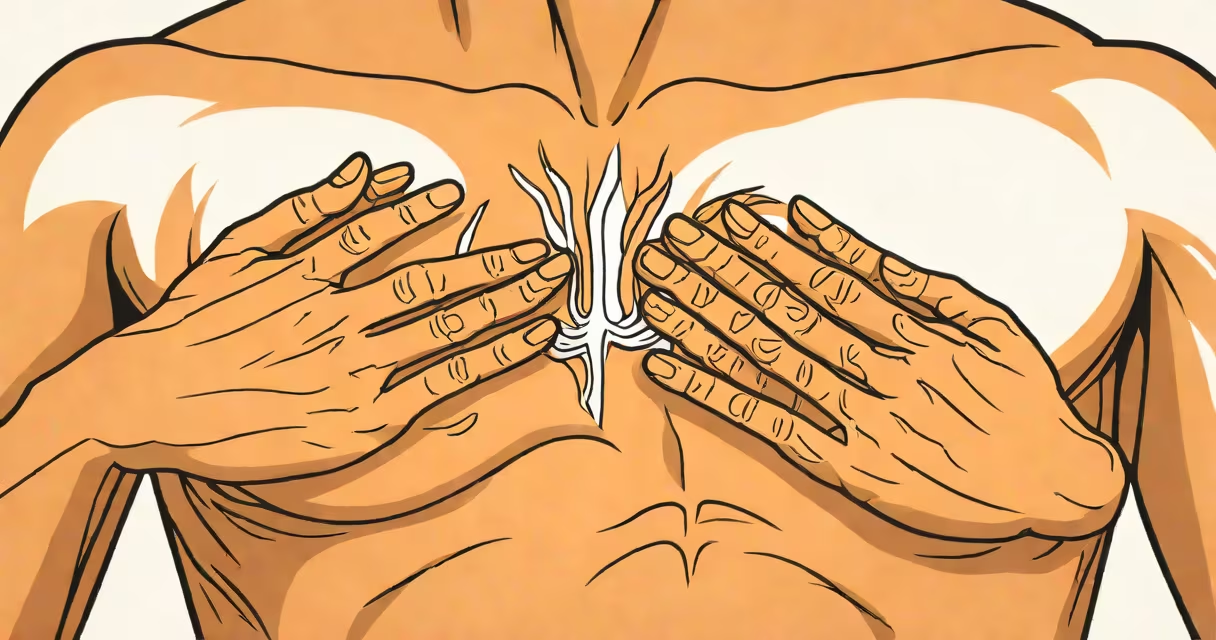
Pain in sternum when sneezing typically results from inflammation of the cartilage connecting the ribs to the breastbone, known as costochondritis. This condition causes sharp, localized pain that worsens with movement, coughing, or sneezing due to increased pressure on the chest wall.
Costochondritis is the most frequent cause of non-cardiac chest pain in young adults and middle-aged individuals. It occurs when the costosternal joints-where rib cartilage meets the sternum-become inflamed, often without a clear trigger. Sneezing forces sudden contraction of the intercostal muscles and diaphragm, compressing the chest wall and irritating the inflamed tissue. The pain usually appears abruptly and lasts minutes to hours, resolving on its own in most cases.
A 2021 study published in Journal of Pain Research found that 68% of patients presenting with acute chest pain and normal cardiac workups were diagnosed with musculoskeletal causes, with costochondritis being the leading diagnosis. The American College of Rheumatology notes that while rare, persistent sternum pain with systemic symptoms like fever or weight loss may indicate infection or autoimmune conditions such as rheumatoid arthritis or ankylosing spondylitis.
Sneezing involves rapid contraction of the abdominal and intercostal muscles, increasing intra-abdominal and intrathoracic pressure. This surge compresses the rib cage and stresses the costochondral junctions-the areas where rib cartilage attaches to the sternum. In healthy individuals, this strain is harmless. But in those with costochondritis, the inflamed cartilage becomes hypersensitive, triggering sharp pain upon compression.
The pain typically localizes to one or two specific joints-most commonly the second to fourth costochondral joints-and may radiate slightly into the upper abdomen or shoulder. It is reproducible: pressing directly on the affected joint elicits tenderness. Unlike heart-related pain, which often feels heavy or crushing and may radiate to the left arm or jaw, sternum pain from costochondritis is sharp, well-defined, and worsens with motion.
I experienced this firsthand during a viral upper respiratory infection. After several days of coughing, I developed a stabbing pain in my lower sternum when sneezing. A physical exam confirmed tenderness at the third costochondral junction. The pain resolved in 10 days with rest and acetaminophen, confirming a benign, self-limited episode.
While costochondritis is the primary cause, other conditions can mimic pain in sternum when sneezing. These include:
| Type | Key Features | Typical Onset | Red Flags |
|---|---|---|---|
| Costochondritis | Sharp, localized pain; worsens with movement or pressure | Gradual or sudden; often post-viral or after physical strain | Pain persists beyond 6 weeks; swelling visible |
| Referred pain from esophageal issues | Burning sensation; may follow eating or lying down | Chronic; associated with acid reflux | Heartburn, regurgitation, nocturnal symptoms |
| Fractured or strained sternum | History of trauma; pain with deep breaths or lifting | Acute; follows injury | Deformity, bruising, inability to move arms |
| Spinal or nerve root irritation | Pain radiates along dermatomes; may feel burning or tingling | Progressive; may involve arms or legs | Numbness, weakness, altered reflexes |
Non-obvious distinction: Costochondritis pain is often bilateral but asymmetric-meaning one side hurts more than the other. True cardiac pain rarely presents this way. A 2019 review in BMJ Clinical Evidence emphasized that unilateral sternum pain with a history of recent upper respiratory illness strongly favors musculoskeletal etiology over cardiac disease.
Most episodes of pain in sternum when sneezing resolve within a few days. However, consult a healthcare provider if:
These signs may indicate a more serious underlying issue, such as a pulmonary embolism, aortic dissection, or unstable angina. The U.S. National Library of Medicine advises that any new-onset chest pain in adults over 40 warrants prompt evaluation to rule out cardiovascular causes.
Diagnosis relies on clinical examination. Doctors apply gentle pressure to the costochondral joints. Pain elicited at the site confirms costochondritis. Imaging like X-rays or CT scans is not routinely needed unless trauma or suspicion of malignancy exists.
Treatment focuses on symptom relief. Nonsteroidal anti-inflammatory drugs (NSAIDs) such as ibuprofen reduce inflammation and pain. Topical lidocaine patches may help in refractory cases. Physical therapy involving gentle stretching and posture correction can prevent recurrence. Avoiding repetitive movements that strain the chest wall-like heavy lifting or prolonged leaning forward-is advised.
A 2020 randomized controlled trial in Annals of Internal Medicine showed that patients with costochondritis who received NSAIDs and physical therapy had a 75% reduction in pain scores after four weeks compared to placebo. Most recover fully within six weeks without long-term complications.
Understanding pain in sternum when sneezing begins with recognizing it as a mechanical response to chest wall stress. While alarming, it's rarely dangerous. Accurate differentiation from cardiac or pulmonary causes prevents unnecessary testing and anxiety. If symptoms persist or worsen, seek medical guidance to confirm the diagnosis and rule out rare but serious alternatives.