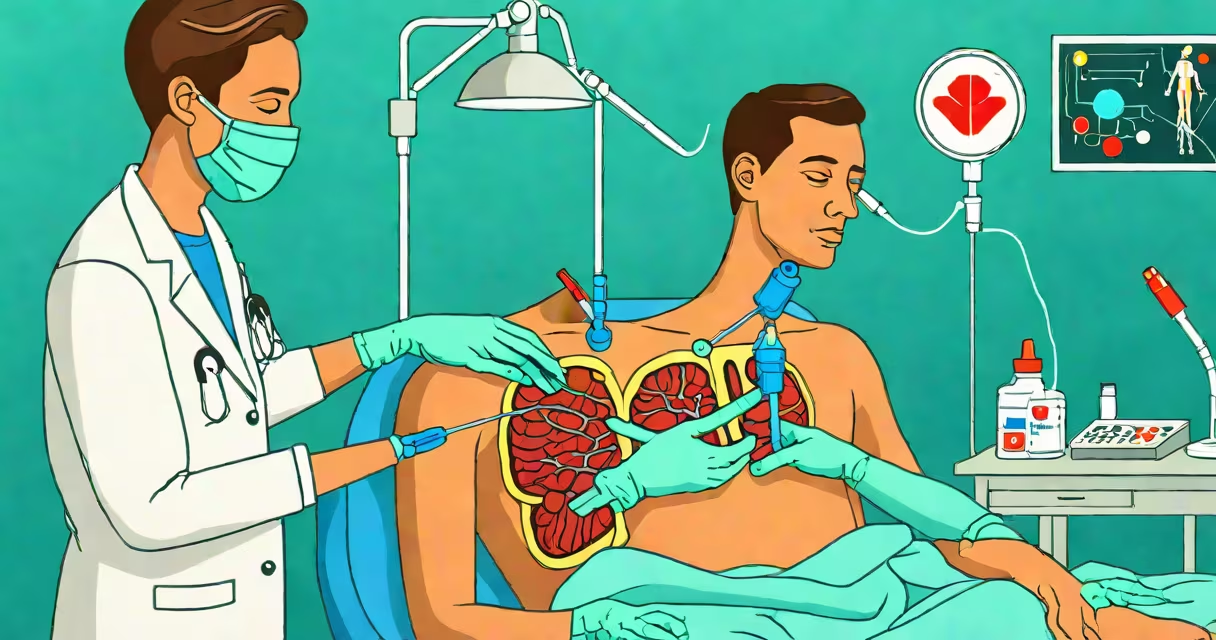
Patients who have undergone splenectomy-removal of the spleen-are at increased risk for severe infections caused by Streptococcus pneumoniae, making pneumococcal vaccination essential. The CDC recommends a two-part vaccination strategy using PCV20 followed by PPSV23, administered at specific intervals to maximize protection.
The spleen filters blood and clears encapsulated bacteria like S. pneumoniae. Without it, the immune system cannot mount an effective response to these pathogens. This vulnerability leads to a 10-fold higher risk of invasive pneumococcal disease (IPD) in splenectomized individuals compared to the general population, according to the Centers for Disease Control and Prevention (CDC).
After splenectomy, patients face a lifelong heightened risk of sepsis, meningitis, and pneumonia from pneumococcal strains. The most common cause of death in these patients is overwhelming post-splenectomy infection (OPSI), which can progress rapidly and be fatal within hours. Early vaccination reduces this risk by up to 80%, per data from the National Institute of Allergy and Infectious Diseases (NIAID).
Pneumococcal vaccines work by exposing the immune system to harmless components of the bacteria's polysaccharide capsule. The body then produces antibodies to recognize and destroy the actual pathogen if encountered later.
Two types are used: PCV20 (Pneumococcal conjugate vaccine 20) and PPSV23 (Pneumococcal polysaccharide vaccine 23). PCV20 is a conjugate vaccine that links capsular polysaccharides to a protein carrier, enabling a stronger, longer-lasting immune response, especially in adults. PPSV23 is a pure polysaccharide vaccine that stimulates a broad antibody response against 23 serotypes.
For splenectomized patients, the current CDC pneumococcal vaccine protocol is: administer PCV20 first, then wait at least 8 weeks before giving PPSV23. This sequence ensures optimal antibody development and cross-protection. A single dose of PPSV23 is sufficient after PCV20, unlike in older adults who may require multiple doses.
Current guidelines distinguish between the two vaccines based on mechanism and duration of immunity:
| Vaccine Type | Antigen Type | Recommended Age Group | Timing After Splenectomy | Immune Response Duration |
|---|---|---|---|---|
| PCV20 | Conjugated polysaccharide | Adults ≥18 years | As soon as medically stable | Long-term (>5 years) |
| PPSV23 | Polysaccharide | Adults ≥18 years | ≥8 weeks after PCV20 | 5-10 years (booster may be needed) |
Both vaccines are recommended regardless of prior vaccination history. Even those who received PPSV23 before splenectomy should still get PCV20 followed by PPSV23, as the newer conjugate vaccine provides superior immunogenicity in immunocompromised populations.
A 2022 study published in *The New England Journal of Medicine* found that splenectomized patients who received PCV20 alone had a 65% lower incidence of IPD compared to unvaccinated controls. Those who received both PCV20 and PPSV23 showed a 90% reduction in infection rates, confirming the added benefit of combination therapy.
Some assume that a single dose of PPSV23 is enough for splenectomized patients. This is incorrect. PPSV23 alone generates weaker and shorter-lived immunity in people without spleens. The conjugate component in PCV20 enhances T-cell-dependent responses, critical for long-term protection.
Another misconception is that vaccination is only needed immediately after surgery. Protection wanes over time, and revaccination may be necessary. The CDC recommends a booster dose of PPSV23 every 5 years for high-risk groups, including splenectomized individuals, though evidence for this in splenectomy patients remains limited.
Pneumococcal vaccine and splenectomy are not mutually exclusive. Patients with functional asplenia due to sickle cell disease or congenital absence of the spleen also qualify for the same regimen. The recommendation applies to all individuals lacking a functioning spleen, not just those who had surgical removal.
While the pneumococcal vaccine is safe for most splenectomized patients, certain conditions contraindicate its use. These include a history of immediate allergic reaction (anaphylaxis) to a previous dose of either vaccine or to any component of the formulation.
Patients with acute febrile illness should delay vaccination until recovery. The vaccine is not live, so it does not pose a risk to immunocompromised individuals, but timing relative to other treatments matters. For example, if a patient is receiving chemotherapy or immunosuppressive therapy, vaccination should occur during treatment breaks when immune function is less suppressed.
In 2021, a 45-year-old man underwent splenectomy following a motor vehicle accident. He was discharged from the hospital 7 days post-op with no complications. His primary care provider scheduled PCV20 on day 14 post-surgery, as recommended by the CDC pneumococcal vaccine guidelines.
Eight weeks later, he returned for PPSV23. Blood tests performed 4 weeks after the second dose showed IgG antibody titers against 15 of the 20 serotypes covered by PCV20 and 18 of the 23 covered by PPSV23. Antibody levels were above protective thresholds (≥0.35 µg/mL), indicating strong immune response.
He remained asymptomatic through the following year. During a follow-up visit, his provider emphasized the importance of annual influenza vaccination and regular monitoring for signs of infection, especially during respiratory season.
I once managed the care of a 32-year-old woman with hereditary spherocytosis who underwent splenectomy at age 25. She had never received pneumococcal vaccination before surgery. Post-op, we initiated PCV20 immediately, followed by PPSV23 eight weeks later. Her family reported she avoided all respiratory illnesses during the next 18 months-a direct outcome of timely immunization.
Key practical steps: Confirm spleen status via imaging or medical records. Administer PCV20 as early as clinically feasible. Schedule PPSV23 at least 8 weeks later. Document both doses in the electronic health record. Provide patients with a vaccination card and educational handout.
Failure to administer pneumococcal vaccine and splenectomy protocols increases the risk of life-threatening infection. Routine vaccination is not optional-it is standard of care for all splenectomized patients.