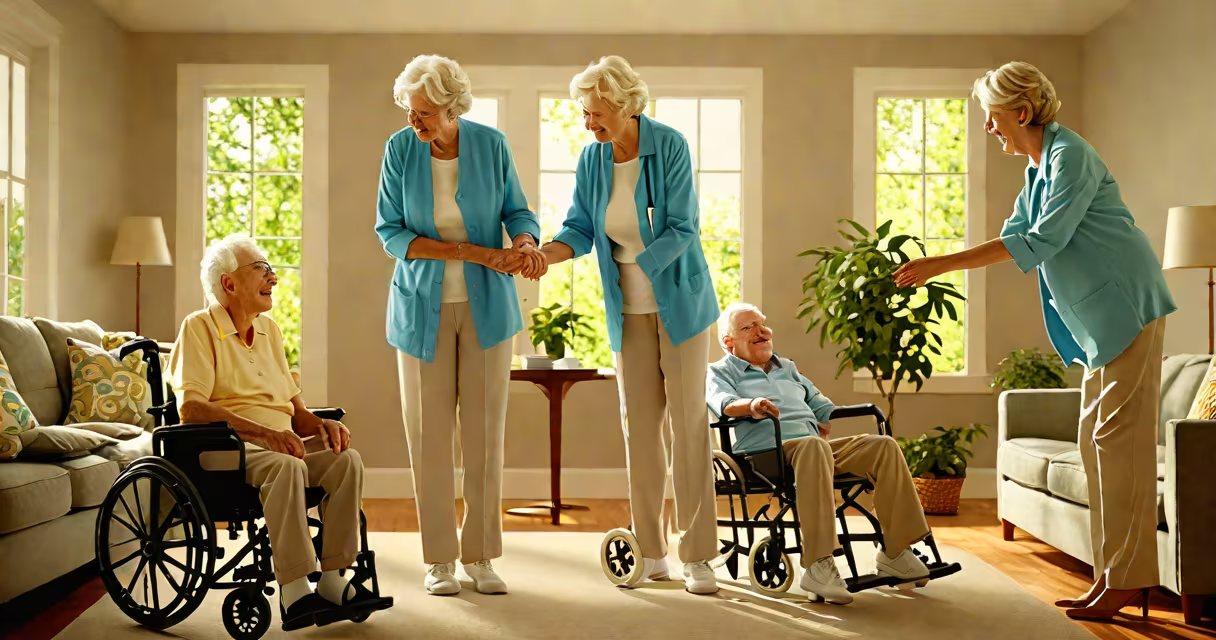
Premier home health care provides skilled medical services-including nursing, physical therapy, and speech therapy-in a patient's home, typically following a doctor's prescription. It is distinct from non-medical assistance and requires clinical oversight, ensuring care meets Medicare and state regulatory standards.
This level of care is designed for individuals recovering from illness, managing chronic conditions, or needing ongoing treatment at home. Unlike basic personal care, premier home health care involves licensed professionals who document progress, adjust treatments, and coordinate with physicians. It is not a substitute for emergency or hospital-based care but supports recovery and independence in familiar surroundings.
According to the U.S. Department of Health and Human Services, nearly 6 million Americans receive home health services annually, with over 80% of patients reporting improved outcomes when care is delivered in their homes. The National Association for Home Care & Hospice notes that timely access to skilled care reduces hospital readmissions by up to 30%.
Care begins with a physician's order. A home health agency evaluates the patient's medical needs and develops a personalized plan of care. This includes scheduling visits from registered nurses, physical therapists, or occupational therapists based on clinical requirements.
Each visit is documented. Nurses monitor important signs, administer medications, manage wound care, and assess changes in condition. Therapists create exercise regimens tailored to mobility or strength goals. All interventions are reviewed weekly by a supervising clinician and adjusted as needed.
For example, a 78-year-old woman recovering from a hip replacement may receive daily nursing visits for pain management and infection monitoring, along with three weekly physical therapy sessions focused on regaining walking ability. Her care team communicates with her primary care provider every 14 days to report progress and update treatment.
Premier home health care relies on licensed professionals and regulated processes. Core components include:
These services are reimbursable under Medicare Part B when medically necessary. Private insurance often covers similar services. Non-medical aides-such as those providing bathing or meal prep-are not included in this category and fall under different care models.
Patients choose premier home health care to avoid hospitalization, reduce infection risk, and maintain dignity during recovery. It's especially valuable for seniors with multiple chronic conditions, such as congestive heart failure, COPD, or post-stroke rehabilitation needs.
Home settings reduce stress and promote faster healing. A 2021 study published in *The Journal of the American Geriatrics Society* found that patients receiving home-based care had a 25% lower mortality rate within six months compared to those treated solely in clinics.
It's also used during transitions from hospital to home. For instance, a man discharged after a myocardial infarction may begin cardiac rehab at home with a nurse visiting twice daily for blood pressure checks and medication reviews. This continuity prevents complications and supports long-term stability.
Premier home health care is frequently mistaken for non-medical home care. The difference lies in licensing and purpose. Non-medical care focuses on companionship, light housekeeping, and personal hygiene-tasks performed by aides without clinical training. These services do not require a doctor's order and are not covered by Medicare.
Another misconception is that all home care is the same. In reality, premier home health care is subject to federal oversight. Agencies must meet standards set by the Centers for Medicare & Medicaid Services (CMS), including staff qualifications, record-keeping, and patient safety protocols. Failure to comply results in penalties or loss of certification.
A key distinction: premier home health care is not a luxury. It's a clinically validated alternative to institutional care. According to the National Institute on Aging, patients receiving home-based medical care spend 40% less time in hospitals and report higher satisfaction with care quality.
In 2022, a family in suburban Chicago arranged premier home health care for their father after he suffered a stroke. His doctor prescribed daily nursing visits and three weekly PT sessions. The agency assigned a RN with stroke recovery experience and a PT certified in neurorehabilitation.
Over eight weeks, the patient regained the ability to walk with a cane and perform basic self-care. The RN managed his anticoagulant therapy and monitored for signs of secondary stroke. The PT adapted exercises weekly based on gait analysis and balance tests. The family reported reduced anxiety and fewer trips to urgent care.
The table below clarifies differences between care levels:
| Type | Who Provides It | Medical Need? | Reimbursed by Medicare? | Example Service |
|---|---|---|---|---|
| Premier home health care | RN, PT, OT, SLP | Yes - requires doctor's order | Yes - under Part B | Wound dressing changes, post-op rehab |
| Non-medical home care | Home health aide, companion | No - personal support only | No - out-of-pocket or private insurance | Bathing, grocery shopping, light cleaning |
Understanding this distinction prevents misapplication of services. Using non-medical aides for wound care, for example, violates state regulations and risks patient harm.
I observed a home visit in Portland, Oregon, where a physical therapist worked with a 72-year-old man recovering from a fall-related fracture. The therapist assessed joint range of motion, adjusted resistance bands, and taught safe transfers from bed to chair. The RN later confirmed the patient's pain score had dropped from 7 to 3 over four days. Both providers documented findings in the electronic health record accessible to the patient's cardiologist.
This integration of clinical data across providers is standard in premier home health care. It ensures continuity and reduces errors. In contrast, non-medical care lacks this documentation layer and is not subject to the same compliance audits.
Premier home health care delivers skilled, regulated medical services directly in the home. It is not a supplement to medical care-it is a formal, evidence-based alternative to clinic or hospital visits. Families choosing this option gain access to trained clinicians, real-time monitoring, and better health outcomes.
For families going through care decisions, amazing home care can serve as a starting point-but always verify credentials, coverage, and clinical oversight before committing. Quality in-home care isn't just about presence; it's about precision, accountability, and measurable results.