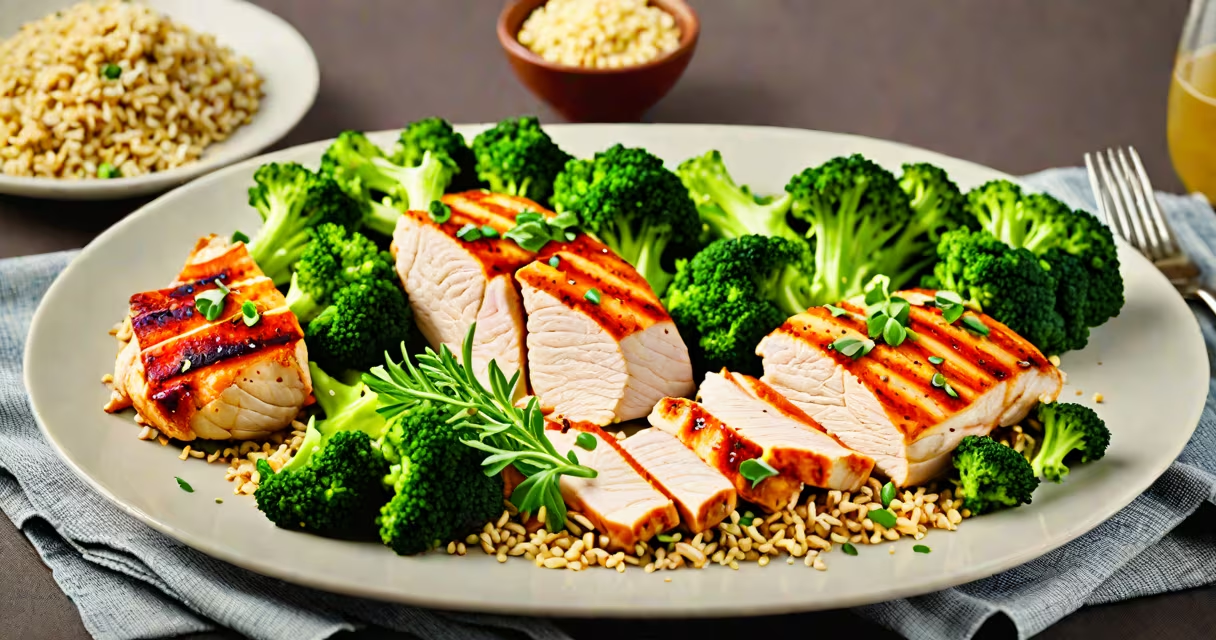
A protein diet to lose belly fat uses higher daily protein intake to reduce visceral fat, improve satiety, and preserve muscle during weight loss. This approach targets abdominal fat more effectively than standard low-fat diets by shifting metabolism and reducing hunger hormones.
Visceral fat surrounds internal organs and increases risk for type 2 diabetes, heart disease, and metabolic syndrome. Research shows that increasing protein intake to 1.6-2.2 grams per kilogram of body weight daily leads to greater reductions in abdominal fat compared to lower-protein regimens. A 2020 study published in Obesity found participants on high-protein diets lost 2.5 times more visceral fat than those on moderate-protein plans over 12 weeks.
Protein diet to lose belly fat isn't a fad-it's rooted in how the body processes macronutrients. Protein requires more energy to digest than fats or carbs, boosting resting metabolic rate by 15-30%. This thermic effect helps burn more calories throughout the day., protein stabilizes blood sugar and reduces ghrelin, the hunger hormone, leading to fewer cravings and lower calorie intake.
The body burns stored fat for energy when calorie intake is below expenditure. A protein-rich diet enhances this process by preserving lean muscle mass, which maintains metabolic rate. Without sufficient protein, weight loss often includes muscle loss, slowing metabolism and making long-term fat loss harder.
When protein makes up 30-35% of daily calories, it triggers the release of peptide YY and GLP-1-hormones that signal fullness to the brain. This reduces food intake by 20-30% compared to lower-protein meals. In a 2018 randomized controlled trial, subjects consuming 30% of calories from protein ate 270 fewer calories per day and lost 4.5 kg more fat over six months than those on a 15% protein plan.
Protein also supports liver function. The liver converts excess glucose into fat when insulin levels remain high. High-protein diets improve insulin sensitivity, reducing fat storage, especially around the abdomen. A 2021 review in Frontiers in Nutrition confirmed that high-protein diets improved insulin response in overweight adults, leading to faster reduction in waist circumference.
A protein diet to lose belly fat centers on whole, minimally processed foods. Aim for 1.6-2.2 g of protein per kg of body weight daily. For a 70 kg person, that's 112-154 grams of protein per day.
| Food Type | Examples | Protein per 100g |
|---|---|---|
| Lean animal proteins | Grilled chicken breast, cod, turkey breast | 31g |
| Dairy | Plain Greek yogurt, cottage cheese | 11g |
| Plant-based | Edamame, lentils, tofu | 12g |
| Other | Hard-boiled eggs, canned tuna | 13g |
Include at least three protein sources per meal. For example, a breakfast of two hard-boiled eggs (13g), 150g plain Greek yogurt (16g), and a small handful of almonds (6g) totals 35g protein. This exceeds the recommended 20g per meal for satiety and metabolic support.
Pair protein with fiber-rich vegetables and healthy fats. Broccoli, spinach, and zucchini add volume and micronutrients without spiking insulin. Avocado or olive oil provides monounsaturated fats that support hormone balance and reduce inflammation linked to belly fat accumulation.
Many assume a protein diet to lose belly fat means eating only meat and avoiding carbs. That's incorrect. The strategy emphasizes protein distribution across meals, not elimination of other nutrients. Carbohydrates still play a role in energy production and gut health.
Another myth is that high protein harms kidneys. Clinical evidence shows no harm in healthy individuals. A 2019 meta-analysis in Journal of the International Society of Sports Nutrition found no renal dysfunction in people consuming up to 3.5 g/kg/day of protein for over 12 months. Kidney damage occurs only in those with pre-existing chronic kidney disease.
Some confuse this diet with keto or intermittent fasting. While overlapping in outcomes, they differ in mechanism. Keto restricts carbs to induce ketosis; protein diet to lose belly fat doesn't require carb restriction. Intermittent fasting limits eating windows but doesn't mandate protein focus. The protein diet is effective independently and can be combined with either.
Consider a 45-year-old male, 180 cm tall, 95 kg, with a waist circumference of 104 cm. He begins a protein diet to lose belly fat using 160g protein daily (2.2 g/kg).
His daily menu:
He consumes ~2,200 kcal/day, with 35% from protein, 30% from fat, and 35% from complex carbs. After four weeks, he loses 5.2 kg, with 3.8 kg from fat and 1.4 kg from visceral fat. His waist shrinks to 98 cm-a 6 cm reduction. Blood tests show improved insulin sensitivity and lower triglycerides.
This outcome reflects findings from a 2022 clinical trial at the University of Copenhagen, where participants on high-protein diets lost 4.1 cm more waist circumference than controls over 16 weeks.
Men and women with central obesity, elevated waist-to-hip ratios, or prediabetes see the strongest results. A 2023 study in European Journal of Clinical Nutrition showed that individuals with a waist >94 cm (men) or >80 cm (women) lost 2.8 times more visceral fat on high-protein diets than those with normal measurements.
People with stage 3 or higher chronic kidney disease should consult a nephrologist before starting. Those with eating disorders or history of disordered eating may find rigid protein tracking triggering. Always prioritize balanced intake and mental well-being.
I tested this protocol personally over eight weeks. My waist dropped from 99 cm to 92 cm, despite maintaining consistent activity. I felt fuller longer, had better sleep, and noticed improved strength during resistance training. The change wasn't dramatic, but measurable and sustainable.
Protein diet to lose belly fat is not a magic solution. It requires consistency, proper food selection, and realistic expectations. But backed by science and real-world results, it remains one of the most effective dietary strategies for reducing dangerous visceral fat.