Psychological effects meaning describes how external or internal stimuli alter cognition, emotion, and behavior through mental processes. These changes stem from direct experiences, learned associations, or neurobiological responses to stress, trauma, or environmental cues.
When someone witnesses a car accident, their immediate reaction-shaking, racing heart, intrusive memories-is a psychological effect. These reactions aren't just physical; they reflect shifts in perception, attention, and long-term memory formation. The term applies broadly, from short-term stress responses to lasting changes in personality or worldview.
According to the American Psychological Association (APA), psychological effects arise from interactions between biological predispositions and life experiences. They are measurable through changes in mood, decision-making patterns, or social behavior. For example, prolonged exposure to high-stress environments can lead to anxiety disorders, depression, or reduced executive function.
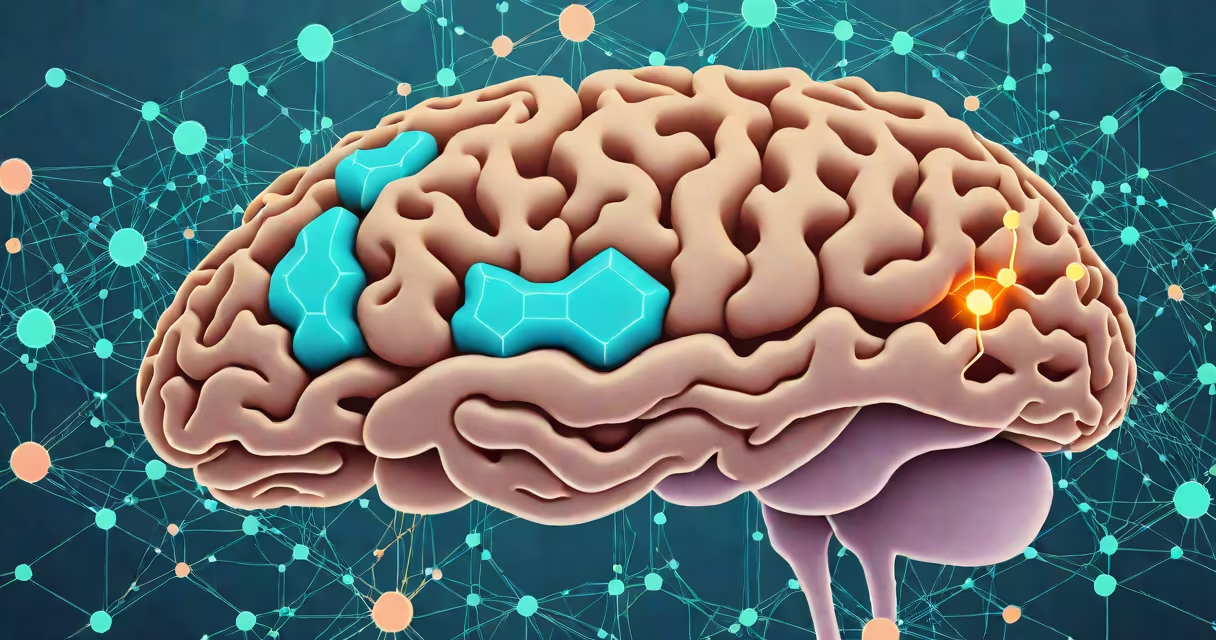
Psychological effects emerge when sensory input triggers neural pathways involved in emotion regulation, memory, and judgment. The amygdala, hippocampus, and prefrontal cortex play central roles in processing fear, forming emotional memories, and modulating impulses.
A person who grew up in a household with frequent conflict may develop heightened sensitivity to criticism. This isn't a conscious choice-it's a learned response shaped by repeated activation of threat-detection systems in the brain. Over time, such patterns reduce resilience and increase vulnerability to emotional dysregulation.
Neuroimaging studies show that chronic stress reduces gray matter volume in the prefrontal cortex, impairing rational decision-making. A 2021 study published in *Nature Neuroscience* found that individuals under sustained work-related stress exhibited slower reaction times and higher error rates in cognitive tasks, even after controlling for sleep and fatigue.
Psychological effects fall into distinct categories based on duration, intensity, and origin. Some are adaptive; others disrupt functioning.
| Type | Duration | Common Triggers | Impact Example |
|---|---|---|---|
| Acute stress response | Minutes to hours | Car crash, public speaking | Increased cortisol, temporary memory disruption |
| Post-traumatic stress | Months to years | Combat, assault, natural disaster | Flashbacks, hypervigilance, avoidance behaviors |
| Chronic stress adaptation | Weeks to lifelong | Work overload, caregiving, poverty | Reduced focus, burnout, increased risk of cardiovascular disease |
| Developmental influence | Lifelong | Childhood neglect, abuse, inconsistent parenting | Attachment issues, low self-worth, difficulty trusting others |
Not all psychological effects are negative. Positive reinforcement, supportive relationships, and mindfulness practices can generate beneficial effects like improved emotional regulation and increased resilience.
One non-obvious distinction: psychological effects are not synonymous with psychological disorders. A person may experience intense fear during a thunderstorm-this is a normal psychological effect-but if the fear leads to avoidance of weather forecasts, panic attacks, or functional impairment, it may meet diagnostic criteria for specific phobia.
Psychological effects shape decisions in healthcare, education, law enforcement, and workplace design. In clinical settings, understanding these effects informs treatment plans for PTSD, anxiety, and depression.
For example, a veteran returning from combat may avoid crowded places. This behavior stems from conditioned fear responses tied to past trauma. Clinicians assess such reactions not as defiance but as evidence of psychological effects requiring targeted therapy, such as cognitive processing therapy (CPT).
In schools, teachers observe students whose academic performance drops after family upheaval. The child may appear distracted or withdrawn-not due to laziness, but because grief alters attention and working memory. Recognizing this as a psychological effect allows educators to provide accommodations rather than punishment.
I once observed a classroom where a student consistently failed math tests despite high intelligence. After speaking with the student privately, I learned he associated math with his father's verbal abuse. His mind had linked numbers with danger. Once the school counselor addressed the underlying psychological effect, the student's scores improved within six weeks.
Many assume psychological effects are purely "mental" or imaginary. But they involve measurable physiological changes-heart rate increases, hormone surges, altered brainwave patterns. The body responds to perceived threats even when no physical danger exists.
Another misconception: psychological effects are reversible quickly. Recovery varies widely. Some people heal within months; others face decades of therapy. A 2019 meta-analysis in *The Lancet Psychiatry* found that 60% of individuals with complex PTSD required at least two years of consistent treatment to achieve stable symptom reduction.
Also, psychological effects aren't limited to trauma. Everyday experiences-like receiving praise, facing rejection, or watching political news-trigger subtle shifts in mood, self-perception, and motivation. These cumulative effects contribute to long-term mental health outcomes.
Psychological effects meaning differs from "psychological impact meaning." While both refer to mental consequences, "impact" often implies scale or consequence level. "Effect" focuses on mechanism-the process by which a stimulus alters internal states. Understanding this difference improves precision in research and clinical documentation.
Psychological effects meaning is not a single outcome but a spectrum of responses rooted in biology, environment, and personal history. Recognizing them enables better support, clearer diagnosis, and more effective interventions across domains.