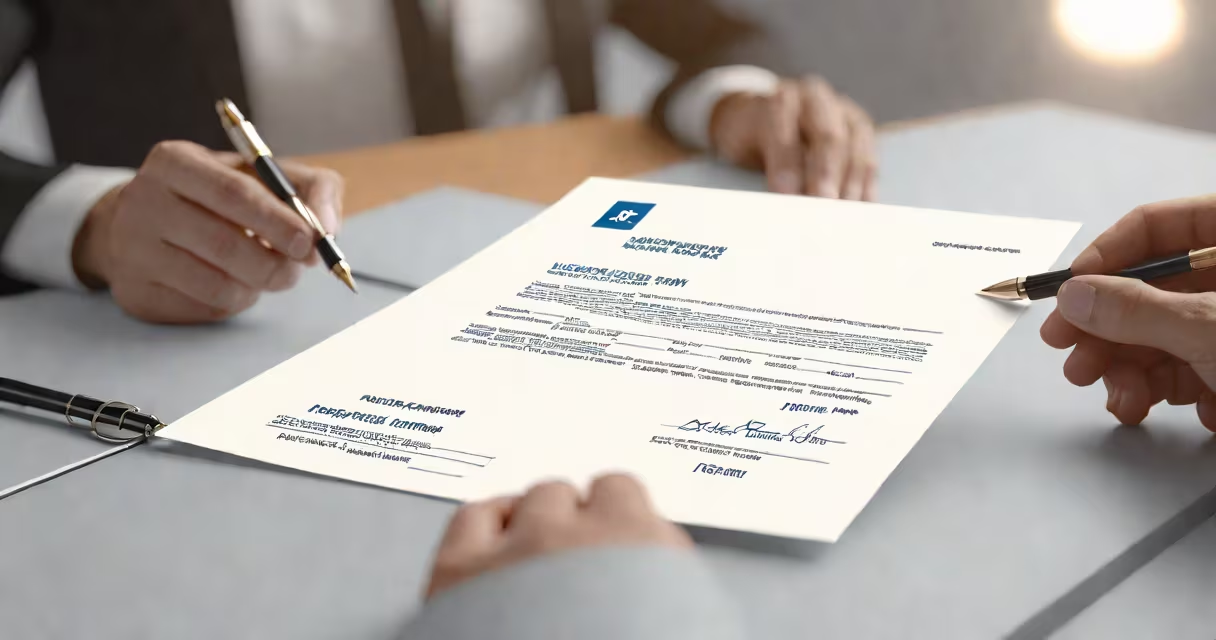
A request for leave is a formal written or digital submission by an employee to their employer asking permission to be absent from work for a specified period due to personal, medical, family, or other approved reasons. It typically includes dates, reason, and required documentation.
Employers use request for leave to manage staffing, ensure coverage, and comply with labor laws such as the Family and Medical Leave Act (FMLA) in the U.S. Employees must submit requests in advance, often through company HR systems or paper forms, depending on workplace policy.
According to the U.S. Department of Labor, eligible employees under FMLA can take up to 12 weeks of unpaid, job-protected leave per year for qualifying events like childbirth, serious health conditions, or caring for a family member. Employers must respond within five business days of receiving a complete request.
When an employee plans to be absent, they initiate a request for leave by filling out a form or sending a message through a designated system. The form usually asks for start and end dates, purpose (e.g., vacation, bereavement, illness), and whether the leave is paid or unpaid.
HR departments review the request against company policy and applicable laws. For example, if an employee requests two weeks off for a wedding, the employer checks if the request aligns with team schedules and whether the employee has accrued enough vacation time. If approved, the employee receives confirmation via email or system notification.
If the request involves a medical condition, the employer may require a doctor's note. Under the Americans with Disabilities Act (ADA), employers cannot deny leave based on disability unless it creates an undue hardship. The Equal Employment Opportunity Commission (EEOC) enforces these protections.
Not all requests for leave are the same. Different categories come with distinct requirements and legal frameworks:
| Type | Typical Duration | Documentation Required | Pay Status |
|---|---|---|---|
| Vacation | 1-3 weeks | None (unless policy requires advance notice) | Paid |
| Sick leave | 1-14 days | Doctor's note for extended absences | Varies by state and employer |
| Bereavement | 3-5 days | None (but may require proof of death) | Unpaid or paid, depending on policy |
| FMLA-eligible medical | Up to 12 weeks | Formal certification from healthcare provider | Unpaid, but job protected |
Some states, like California and New York, mandate paid family leave programs. In California, employees can receive up to 8 weeks of paid leave at 60-70% of their average weekly earnings. These programs are funded through payroll deductions and administered by state agencies.
Employees should note that requesting leave doesn't guarantee approval. A manager may deny a request if it disrupts operations, especially during peak seasons. However, denial must follow documented policies and avoid discrimination.
Many employees assume that all leave is automatically approved or that they can submit a request last minute. This is false. Most companies require requests to be submitted at least 14 days in advance for vacation and 30 days for long-term medical leave.
Another misconception is that informal verbal requests are sufficient. While managers may acknowledge a verbal request, only a written or system-recorded submission counts toward official records. This can lead to disputes if the employee later claims they were denied leave.
One non-obvious rule: an employee who returns from leave may not be reinstated to the same position if it no longer exists. The U.S. Department of Labor clarifies that employers must restore employees to the same or equivalent position with equivalent pay and benefits. If the role was eliminated due to restructuring, the employee may be reassigned or offered a comparable role.
Consider Sarah, a software developer at a mid-sized tech firm. She wants to take two weeks off in June to attend her sister's wedding in Seattle. Her company uses an internal HR portal called WorkFlowPro.
She logs into WorkFlowPro, selects "Request Time Off," enters June 10-24 as the dates, chooses "Personal Event" as the reason, and uploads a copy of the wedding invitation. She submits the request 21 days before the start date.
The system sends the request to her manager, who reviews it. Since Sarah's team is not launching a product during that week, the manager approves the request. The HR department confirms the approval and notes that Sarah has 15 vacation days remaining in her accrual.
Three days later, Sarah receives an automated email: "Your request for leave from June 10-24 has been approved. You will be marked as unavailable in the team calendar."
This process ensures transparency and accountability. Without a formal request, Sarah's absence could have disrupted project timelines.
Denial must be based on legitimate operational reasons, not personal bias. If an employee believes their request was unfairly denied, they can file a complaint with the EEOC or state labor board. For FMLA-related denials, the DOL provides a detailed appeals process.
Managers should document the rationale for denial. For example, if a team is preparing for a major client demo, denying a request for leave during that window is justified. But denying leave because the employee is pregnant violates federal law.
Employees should understand that while a request for leave is not a right, many employers offer flexibility. Some allow partial-time work during leave or remote work for part of the period. These arrangements are negotiated and not guaranteed.
I once managed a team where an employee requested three weeks off for a family emergency. After reviewing the situation, we approved the leave with a flexible return date. The employee returned to work part-time for the first week, then resumed full hours. This arrangement maintained productivity and supported well-being.
"Request for leave" is often confused with "time off request," "vacation request," or "absence report." While these overlap, they differ in scope and intent.
"Time off request" is a broader term that includes all types of absence-vacation, sick leave, jury duty, etc.-and is used internally by HR systems. "Vacation request" refers specifically to planned time off for leisure, which is usually paid and subject to accrual limits.
"Absence report" is a record of unplanned absence, such as calling in sick on a Monday. It's logged after the fact and often triggers a different workflow than a formal request for leave.
Understanding these distinctions prevents miscommunication. Submitting a vacation request as an absence report may delay processing or result in disciplinary action.
A request for leave is a structured way to balance personal needs with professional responsibilities. It protects both employee rights and organizational continuity when handled correctly.