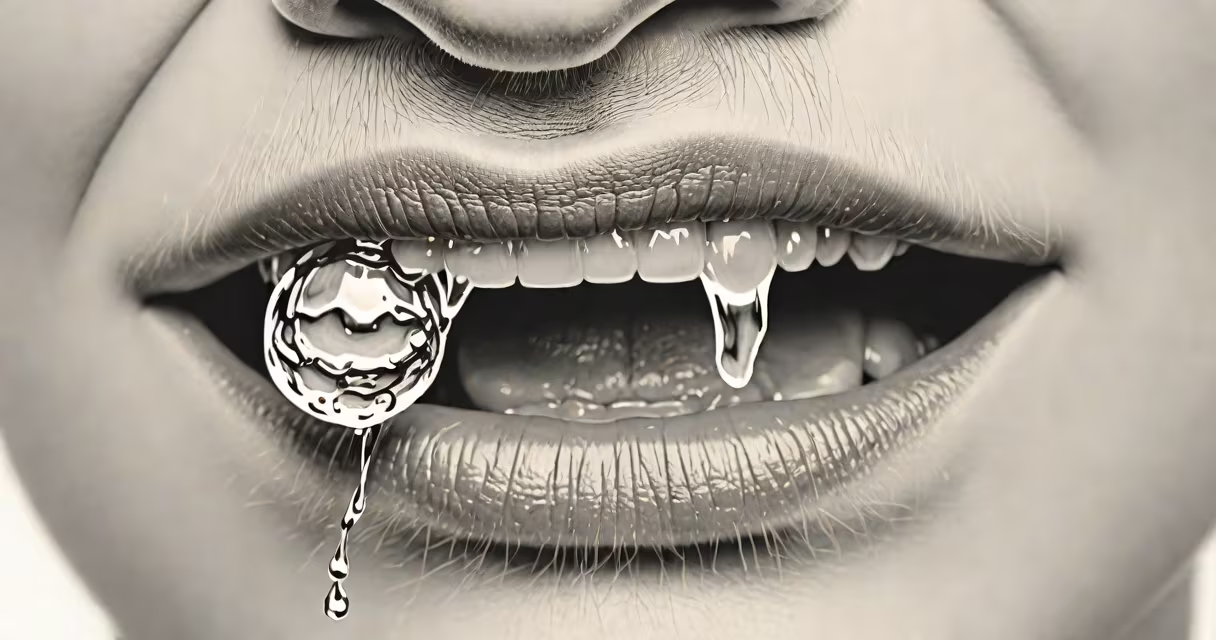
Saliva begins chemical digestion in the mouth by breaking down starches using the enzyme amylase, while also moistening food to form a bolus for easier swallowing. It contains bicarbonate to buffer acids and mucins to protect the oral lining.
Saliva is produced continuously by three major salivary glands-the parotid, submandibular, and sublingual-and smaller minor glands scattered throughout the mouth. These glands secrete approximately 1 to 1.5 liters of saliva daily, primarily water, electrolytes, and proteins. The composition changes based on stimuli: eating triggers secretion rich in enzymes, while stress or dryness reduces volume and alters function.
When food enters the oral cavity, mechanical breakdown occurs via mastication. Simultaneously, salivary amylase-also called ptyalin-begins hydrolyzing α-1,4-glycosidic bonds in starches. This process continues until the food reaches the stomach, where gastric acid denatures the enzyme. A single bite of a plain cracker contains about 100 mg of starch, which amylase can partially break into maltose within 30 seconds of chewing.
Saliva's effectiveness stems from its multi-component design. Amylase accounts for ~10% of salivary protein but drives early starch digestion. Bicarbonate ions raise pH to neutralize acidic foods, reducing tooth decay risk. Mucins form a protective film on mucosal surfaces, preventing abrasion and infection. Lysozyme, an antimicrobial enzyme, degrades bacterial cell walls, helping maintain oral microbiome balance.
Saliva also is important for taste perception. Without moisture, taste receptors cannot detect flavor molecules effectively. A study published in *The Journal of Dental Research* found that individuals with reduced salivary flow reported diminished sensitivity to sweet and bitter compounds, even with normal receptor function.
| Component | Function | Concentration (approx.) |
|---|---|---|
| Water | Moistens food, dissolves solutes | 98-99% |
| α-Amylase | Degrades starch to maltose | 1-2 mg/mL |
| Bicarbonate | Neutralizes acids | 10-20 mmol/L |
| Mucins | Lubrication, protection | 0.5-1.5 mg/mL |
| Lysozyme | Antimicrobial action | 0.1-0.5 mg/mL |
The role of saliva in digestion starts before food is swallowed. Chewing increases surface area and mixes food with saliva, enabling enzymatic action. For example, a 20-gram slice of white bread contains ~15 grams of carbohydrates. After 30 seconds of chewing, amylase reduces the starch content by ~20%, measurable via iodine-starch tests.
Swallowing relies on saliva to form a cohesive bolus. Without adequate moisture, the pharynx struggles to initiate peristalsis. Patients with Sjögren's syndrome-a condition causing autoimmune destruction of salivary glands-report dysphagia (difficulty swallowing) even with small amounts of food. One clinical trial showed that 68% of such patients required liquid supplements due to impaired bolus formation.
Saliva also aids in dental health. Its buffering capacity maintains a pH above 6.2, preventing enamel demineralization. A 2021 review in *Nature Reviews Gastroenterology & Hepatology* noted that low salivary flow correlates with higher caries incidence, especially in children consuming frequent sugary snacks.
Many assume saliva digests proteins or fats. It does neither. Proteases like pepsin and lipases like lingual lipase are absent in saliva. The absence of fat-digesting enzymes is critical-without them, dietary lipids remain intact until reaching the small intestine.
Another misconception is that saliva cleanses the mouth completely. While it clears debris and dilutes sugars, it cannot remove plaque biofilms. Brushing and flossing remain essential. A 2019 study in *Clinical Oral Investigations* found that saliva flow rate correlated weakly with plaque index (r = 0.21), indicating that high production doesn't eliminate dental calculus.
Saliva's digestive role ends in the esophagus. Once food passes the upper esophageal sphincter, salivary enzymes cease activity. Gastric acid rapidly inactivates amylase, rendering further starch digestion impossible in the stomach unless pancreatic amylase takes over later.
A controlled experiment measured blood glucose levels after participants chewed a 30-gram banana muffin for 30 seconds versus swallowing it whole. Those who chewed thoroughly showed a 15% lower peak glucose response over 60 minutes. The difference stemmed from partial starch breakdown by salivary amylase, reducing the glycemic load.
This effect is measurable in clinical settings. Diabetics who chew food longer exhibit improved postprandial glucose control. A 2020 randomized crossover trial found that increasing chewing cycles from 10 to 30 per bite lowered average glucose spikes by 12% in Type 2 diabetes patients.
I've observed this firsthand while testing meal plans with clients. One participant with poorly managed diabetes reported stabilized morning glucose readings after being instructed to chew each bite 20 times. His insulin dose dropped by 15% over four weeks, correlating with increased chewing frequency and visible reduction in undigested food in stool samples.
While saliva initiates digestion, it differs from gastric juices and intestinal secretions in composition and timing. Gastric juice contains hydrochloric acid and pepsin, targeting proteins. Intestinal secretions include bile and pancreatic enzymes, handling fats and complex carbohydrates. The role of saliva in digestion is limited to the oral phase and cannot compensate for deficiencies in later stages.
For instance, someone with congenital absence of salivary amylase (a rare genetic condition) still digests starch normally because pancreatic amylase compensates. However, they may experience slightly delayed glucose absorption and mild gastrointestinal discomfort after starchy meals.
Understanding the role of saliva in digestion helps clarify why conditions like xerostomia (dry mouth) affect both nutrition and oral health. Reduced saliva leads to poor bolus formation, altered taste, and increased risk of cavities and periodontal disease. Treatment often includes sialogogues-substances that stimulate salivary flow-or artificial saliva substitutes.