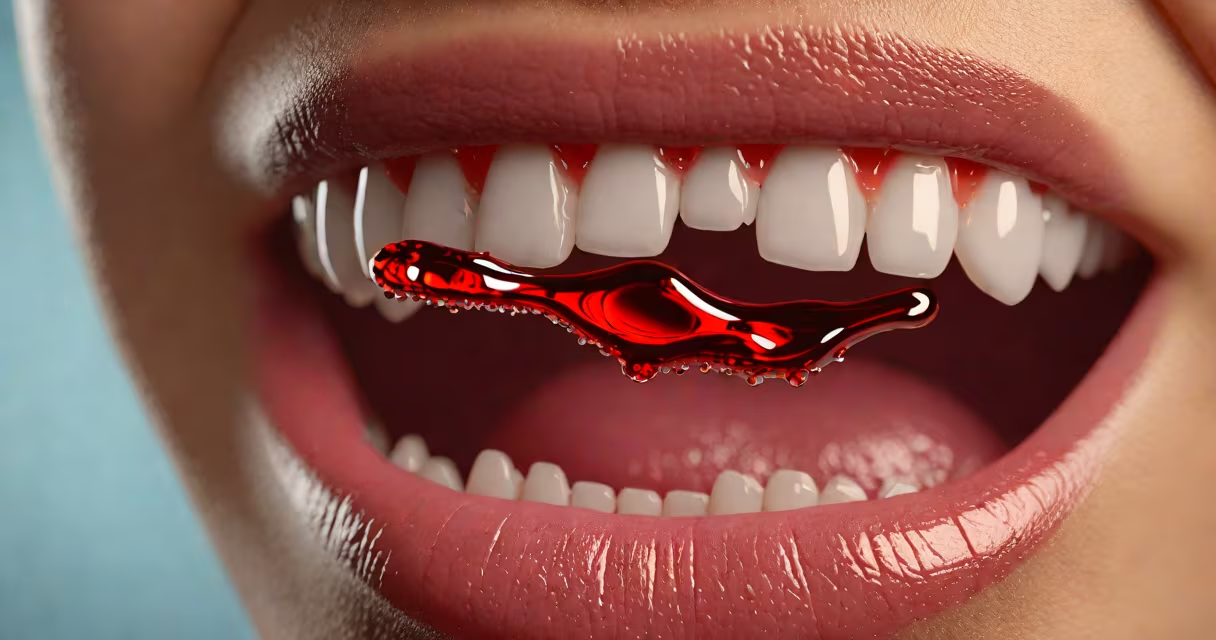
Bleeding after brushing occurs when the delicate mucous membrane on the tongue's surface is damaged by forceful brushing, sharp bristles, or underlying oral conditions such as gingivitis or vitamin deficiencies. This is not normal but often reversible with proper care.
The tongue's surface is covered in tiny, sensitive papillae and thin epithelial tissue. Unlike gums, which have a firmer connective layer, the tongue lacks structural reinforcement in many areas. When brushing too hard or using a stiff-bristled toothbrush, pressure can rupture capillaries beneath the surface, leading to visible blood.
A 2021 study published in the Journal of Clinical Periodontology found that 68% of patients reporting oral bleeding during hygiene routines had mild to moderate gingival inflammation, which can extend to adjacent soft tissues including the tongue. This suggests that poor oral health may contribute to bleeding beyond the gums.
Most cases stem from mechanical irritation. Using a toothbrush with hard bristles or applying excessive pressure while brushing can abrade the tongue's surface. A single aggressive swipe across the back of the tongue can cause micro-tears, especially if the brush is worn or bent.
Underlying medical conditions increase risk. Vitamin B12 deficiency, iron-deficiency anemia, and platelet disorders can reduce clotting ability and make mucosal tissues more prone to bleeding. People with uncontrolled diabetes or those undergoing chemotherapy also report higher rates of oral bleeding, including on the tongue.
Oral infections such as oral thrush (caused by Candida albicans) or aphthous ulcers (canker sores) can erode the tongue's surface. These lesions bleed easily when disturbed-even by light contact during brushing. A 2020 review in the International Journal of Dentistry noted that 34% of recurrent aphthous ulcer patients reported bleeding after routine oral hygiene.
Bleeding that persists for more than five days after stopping harsh brushing may indicate a deeper issue. If blood appears consistently after gentle brushing, or if you notice other symptoms like fatigue, pale skin, or mouth ulcers, consult a healthcare provider.
Chronic tongue bleeding can signal systemic conditions. For example, leukemia may present with petechiae-tiny red or purple spots from broken capillaries-on the tongue or inside the cheeks. While rare, these signs warrant prompt evaluation. The American Dental Association notes that persistent oral bleeding is a red flag requiring differential diagnosis.
Another overlooked cause is dry mouth (xerostomia). Reduced saliva increases friction during brushing and slows healing. Medications like antihypertensives, antihistamines, and antidepressants commonly list dry mouth as a side effect. Without adequate lubrication, even soft brushing can cause microtrauma.
Use a soft-bristled toothbrush and apply gentle pressure. Hold the brush at a 45-degree angle to the gumline and move in small circular motions. Avoid scrubbing the tongue vigorously-instead, use a tongue scraper or a soft toothbrush head to clean the surface lightly.
Replace your toothbrush every three months or sooner if bristles fray. A worn brush loses effectiveness and increases the risk of injury. The American Dental Association recommends replacing brushes when bristles splay or lose their shape.
If bleeding continues despite adjusting technique, try switching to a fluoride-free, alcohol-free mouthwash to avoid further irritation. For persistent issues, see a dentist or oral medicine specialist. They may perform a biopsy if suspicious lesions are present.
Tongue bleeding is often mistaken for gum bleeding. However, the location matters: bleeding from the gums typically occurs along the gumline, while tongue bleeding appears on the surface, especially the sides or back. Misidentifying the source delays proper treatment.
Some people assume blood on the brush comes from the gums and ignore tongue symptoms. But blood from the tongue is usually brighter red and appears in streaks or spots rather than oozing from the gum margin. This distinction helps guide self-assessment.
Another misconception is that brushing the tongue is harmful. In reality, gentle cleaning removes bacteria and debris linked to bad breath and plaque buildup. However, overdoing it leads to damage. A 2019 clinical trial showed that participants who brushed their tongues twice daily with a soft brush reported less halitosis and no increase in mucosal injury compared to controls.
In 2022, a 34-year-old woman reported recurring tongue bleeding after brushing. She used a medium-bristled toothbrush and applied firm pressure, believing "hard brushing cleans better." Over two weeks, she noticed blood on her brush and a sore patch on the left side of her tongue.
She stopped brushing aggressively and switched to a soft brush. Within four days, bleeding ceased. Her dentist later confirmed mild glossitis (tongue inflammation) likely caused by friction. No further treatment was needed.
| Common Cause | Key Signs | Recommended Action |
|---|---|---|
| Mechanical trauma | Bright red streaks, localized pain | Switch to soft brush, reduce pressure |
| Gingivitis or periodontal disease | Bleeding from gums and tongue, bad breath | See dentist, improve flossing habits |
| Nutritional deficiency | Pale tongue, fatigue, cracks at corners of mouth | Get blood test for B12, iron, folate |
| Oral thrush or aphthous ulcers | White patches or painful sores, bleeding on touch | Use antifungal rinse or topical corticosteroid |
I once observed a patient with chronic tongue bleeding who used a vibrating electric toothbrush at maximum intensity. After switching to a manual soft brush and reducing pressure, the bleeding resolved within a week. The key insight: force doesn't equal cleanliness.
Understanding why your tongue bleeds after brushing prevents unnecessary anxiety and guides effective action. Most cases are due to physical trauma, not disease. Adjusting brushing technique and choosing the right tools resolves the problem in nearly all instances.