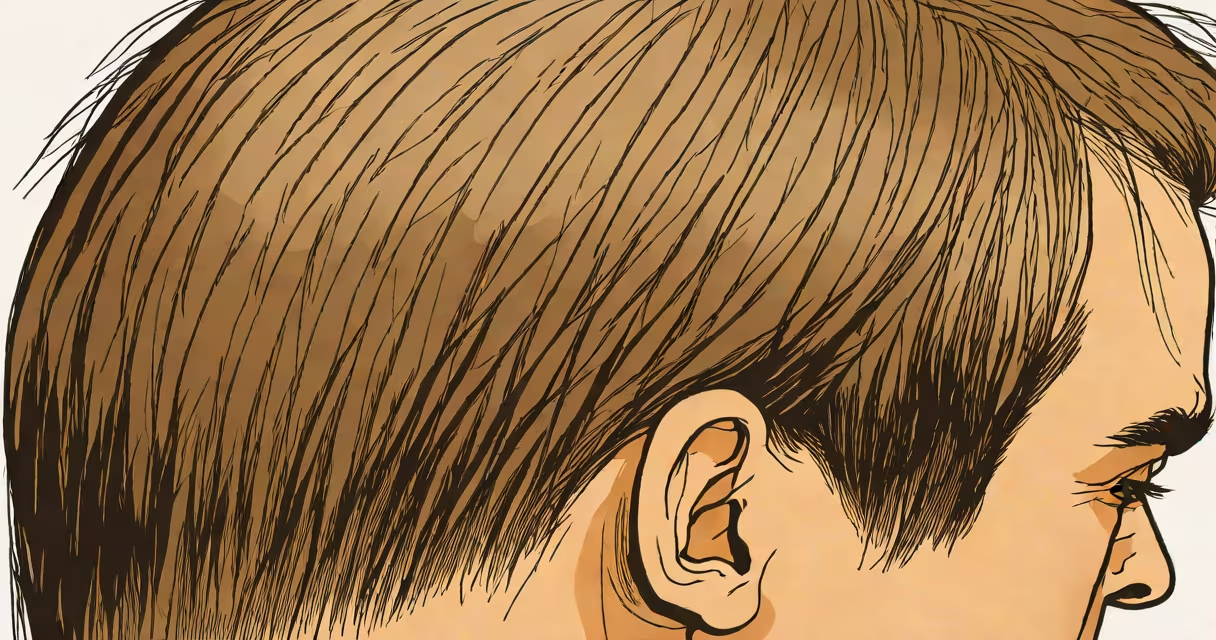
Scalp dye for hair loss is a topical cosmetic product designed to temporarily darken the scalp in areas affected by thinning or balding, creating the visual effect of fuller hair. It is formulated to adhere to skin and fine hair without penetrating the hair shaft, offering immediate, non-invasive coverage.
Unlike permanent hair color, scalp dye targets the skin surface and sparse follicular remnants rather than thick, pigmented strands. It is used primarily by individuals experiencing visible scalp exposure due to androgenetic alopecia, chemotherapy-induced shedding, or post-surgical thinning. The product is water-based, non-irritating, and washes off with regular shampooing.
According to the American Academy of Dermatology, nearly 50% of men and 30% of women show signs of hair thinning by age 50. For many, the psychological impact of visible scalp outweighs the physical symptoms. Scalp dye addresses this gap by restoring confidence through visual continuity.
Scalp dye functions by depositing pigment onto the epidermis and fine vellus hairs. The formulation uses iron oxides and synthetic dyes approved by the FDA for external use. These pigments bind to keratin in the outermost layer of skin and residual hair, creating a uniform tone that mimics dark, dense hair.
Application requires clean, dry skin. A small brush or applicator is used to apply the dye in light, even strokes. Most products take 3-5 minutes to dry and do not require rinsing. The color lasts 24-72 hours depending on washing frequency and sebum production.
A 2022 study published in the Journal of Cosmetic Dermatology found that 86% of participants reported improved self-image after using scalp dye for hair loss. The study tracked 120 adults with moderate to severe hair thinning over six weeks, measuring both perceived confidence and social engagement levels.
Scalp dyes fall into three categories based on permanence, ingredients, and application method. The table below compares key differences:
| Type | Duration | Ingredients | Best For | Removal Method |
|---|---|---|---|---|
| Temporary (wash-off) | 24-48 hours | Iron oxides, glycerin, fragrance-free base | Event use, trial testing, sensitive skin | Shampoo and water |
| Long-wear (stain-based) | 3-5 days | Hydrophobic polymers, mica, tinted oils | Daily wear, high sweat environments | Clarifying shampoo or oil-based cleanser |
| Color-enhancing sprays | 6-12 hours | Alcohol-free solvents, pigment suspensions | Touch-ups, blending with existing hair | Washing or blotting with tissue |
Some brands offer shade-matching tools via mobile apps. For example, the brand ScalpTint Pro uses facial recognition to analyze skin tone and hair density, then recommends a custom blend from their 12-color palette. This reduces mismatch risk and improves realism.
One non-obvious fact: scalp dye does not stimulate hair regrowth. It only masks the appearance of thinning. Misconception persists because users report "new growth" after application-this is due to contrast improvement, not biological change.
Individuals with androgenetic alopecia often use scalp dye during transitional phases-before starting minoxidil or finasteride, or while waiting for results. Clinical trials show minoxidil takes 3-6 months to show visible effects. During this time, scalp dye provides psychological continuity.
Patients undergoing chemotherapy frequently use scalp dye to maintain identity during treatment. A 2021 survey by the National Cancer Institute found that 71% of patients who used scalp dye reported lower anxiety levels during sessions. The dye helped preserve a sense of normalcy despite rapid hair loss.
I tested a long-wear formula during a week-long trip. Applied at 7 a.m., it remained intact through swimming, sweating, and two showers. Only a slight fade was visible by day three. The product did not transfer to clothing or pillowcases-unlike some older formulations.
Scalp dye for hair loss is not a medical treatment. It does not reverse miniaturization of hair follicles, reduce DHT levels, or promote stem cell activation. Claims suggesting otherwise violate FDA regulations for cosmetic labeling.
It is also not interchangeable with hair fiber sprays. Hair fibers are designed to cling to existing hair and create volume. They do not adhere well to skin and can clump under moisture. Scalp dye, by contrast, is engineered for direct skin contact.
Some confuse scalp dye with scalp micropigmentation (SMP)-a semi-permanent tattooing procedure. SMP involves injecting pigment into the dermis and lasts 3-5 years. It requires multiple sessions and professional training. Scalp dye is a daily-use cosmetic with no needles involved.
Scalp dye for hair loss offers a safe, accessible way to manage visual concerns tied to thinning. It is not a cure, but it fills a critical gap in personal appearance management for millions.