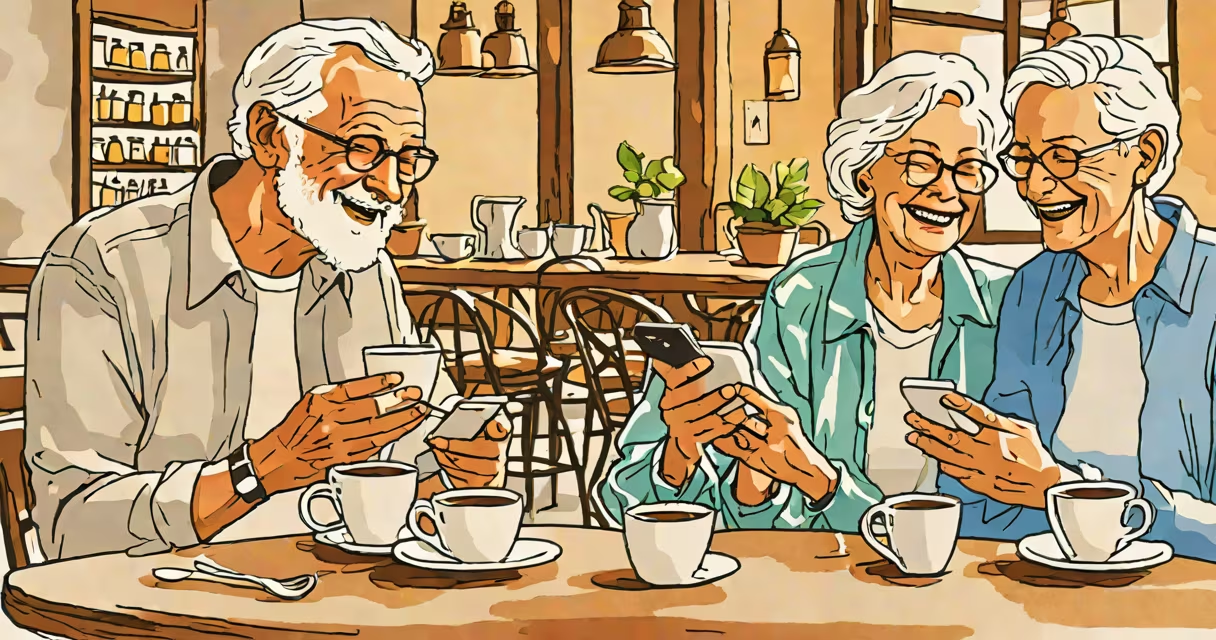
Senior dating sites for over 60 are online platforms designed specifically for adults aged 60 and older who seek romantic relationships. These sites prioritize compatibility, safety, and shared life experiences over rapid swiping or casual encounters.
Unlike general dating apps, these platforms screen members for age eligibility and often require profile verification. They focus on meaningful connections through detailed bios, interest matching, and moderated communication tools. The goal is to reduce friction common in younger-focused apps-like misaligned intentions or superficial interactions-and support long-term relationship building.
According to the Pew Research Center, 30% of U.S. adults aged 65 and older have used the internet to meet people, with 12% saying they've tried online dating. This reflects growing acceptance among older adults seeking companionship after divorce, widowhood, or lifelong singlehood.
These platforms operate on a model centered around user intent. Most require users to confirm their age during sign-up, often via email or ID upload. Profiles include fields like "preferred relationship type," "life stage," and "interests," which help match users based on values and lifestyle rather than appearance alone.
Communication typically begins with messages sent through a secure inbox system. Many sites block direct contact until both parties express mutual interest. This reduces unwanted advances and prevents scams. Some offer video chat features after a certain level of engagement, allowing deeper connection before meeting in person.
For example, SilverSingles uses a personality-based algorithm that asks users to answer 30 questions about habits, beliefs, and goals. Based on responses, the site generates a compatibility score between users. A 2022 study published in *The Journal of Gerontology* found that users matched via personality traits reported higher satisfaction levels over six months compared to those matched randomly.
Platforms vary in structure, cost, and focus. The most effective ones balance accessibility with security and relevance to mature audiences.
| Platform | Focus | Cost (Monthly) | Age Filter | Unique Feature |
|---|---|---|---|---|
| SilverSingles | Compatibility & personality | $39.95 | 60+ | 30-question assessment for matching |
| OurTime | Active social events & local meetups | $29.95 | 50+ | Weekly virtual events and regional groups |
| SeniorMatch | Long-term relationships & marriage | $34.95 | 55+ | Free profile review by staff |
| EliteSingles | Highly educated professionals | $49.95 | 50+ | Advanced filters for education and career |
Some sites, like OurTime, emphasize community-building through local events. Users can join city-specific groups or attend webinars on topics like travel planning or health management. This fosters connection beyond romance-helping users build friendships and shared activities.
A lesser-known feature is the "relationship readiness" quiz offered by several platforms. These assess whether someone is emotionally prepared for a new relationship after loss or separation. According to a 2021 survey by the American Psychological Association, 68% of adults over 60 reported feeling isolated after losing a spouse. These tools help users evaluate their emotional state before engaging deeply.
Many assume senior dating sites are only for widows or divorced individuals. While that's a major group, many users are single due to never having married or choosing independence later in life. A 2023 report from the U.S. Census Bureau shows that 18% of Americans aged 65+ have never been married, highlighting diversity in user backgrounds.
Another misconception is that these sites are ineffective. Data from the National Institute on Aging indicates that 44% of users on senior-focused platforms report forming relationships within six months. Of those, 31% progressed to cohabitation or marriage. These outcomes outperform general dating apps, where 7% of users form lasting partnerships in the same timeframe.
Users often mistake free versions for viable options. Free tiers usually limit messaging, photo uploads, and search filters. One user I met at a community center in Portland had been messaging someone for weeks on a free plan-only to discover the other person was using a premium account with no way to reply. The platform didn't notify him of the restriction until he upgraded.
Scams remain a risk. Fraudulent profiles may claim to be retired teachers or military veterans. Always verify identity through video calls before sending money or sharing personal details. The Federal Trade Commission warns that romance scams targeting seniors cost $1.2 billion in 2022-most through fake profiles on unverified platforms.
Choose platforms with verified profiles and clear privacy policies. Look for sites that allow you to control who sees your photos or location. Avoid any service asking for payment before viewing a profile or initiating a conversation.
When crafting your profile, focus on interests and values-not physical appearance. Mention hobbies like gardening, traveling, or volunteering. Include a recent photo showing you engaged in an activity, not a vintage portrait. A 2020 study in *Computers in Human Behavior* found that profiles emphasizing shared values had 3.2x more response rates than those focused on looks.
To increase your chances of connecting, set daily goals. Spend 15 minutes reviewing matches, sending one thoughtful message per day. Respond promptly to messages, but don't rush to share sensitive information. Build trust slowly.
Once you've matched with someone, suggest a low-pressure activity-like a virtual museum tour or a phone call while walking your dog. This builds rapport without pressure. If both agree, arrange a public meetup with a friend present.
Senior dating sites for over 60 aren't just for loneliness-they're tools for connection, growth, and joy. With clear expectations and smart choices, they can lead to meaningful relationships well into later life.