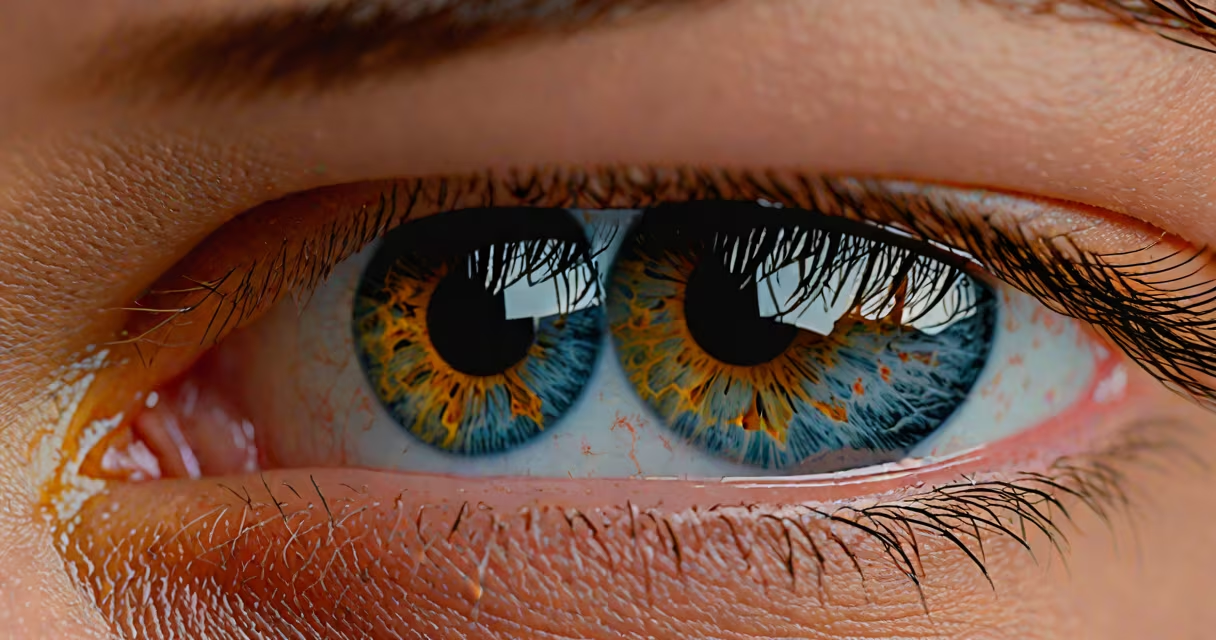
A sore swollen eyeball is a condition marked by pain, redness, and visible puffiness around one or both eyes, often due to infection, allergy, injury, or inflammation. It may affect vision, cause light sensitivity, or limit eye movement. Prompt evaluation is essential because symptoms can signal either mild issues or serious threats to sight.
Swelling occurs when fluid accumulates in tissues surrounding the eye. This can result from trauma, such as a blow to the face, or from internal processes like immune responses. The eye socket (orbit) contains delicate structures including nerves, muscles, and fat. When inflammation spreads beyond the eyelid into deeper tissue, it becomes a medical emergency.
Common causes include bacterial or viral conjunctivitis, allergic reactions, styes, blepharitis, and sinus infections. More severe cases involve orbital cellulitis-a bacterial infection behind the eye that can lead to vision loss if untreated. A 2021 study in *Ophthalmology* found that orbital cellulitis accounts for nearly 1 in 10 pediatric eye emergencies requiring hospitalization.
The eyelids are controlled by small muscles and supported by connective tissue and fat pads. When inflamed, these tissues swell rapidly. The conjunctiva-the thin membrane covering the white of the eye-can become infected or irritated, leading to redness and discharge. Swelling may restrict the ability to open the eye fully.
Allergies trigger histamine release, causing blood vessels to dilate and fluid to leak into tissues. Pollen, dust mites, pet dander, and certain cosmetics are frequent culprits. In contrast, infections involve pathogens like Staphylococcus aureus or herpes simplex virus. These can invade the cornea or deeper eye layers, especially if contact lenses are worn improperly.
One non-obvious distinction: eyelid swelling (periorbital edema) is usually limited to the skin around the eye, while orbital swelling affects the space behind the eye. Periorbital swelling often resolves within days with cold compresses and antihistamines. Orbital swelling requires imaging and antibiotics. A 2020 review in *JAMA Ophthalmology* emphasized that patients with fever, double vision, or inability to move the eye should be evaluated for orbital pathology.
Not all swollen eyes are the same. The following table outlines key differences:
| Type | Location | Key Symptoms | Common Causes |
|---|---|---|---|
| Conjunctivitis | Surface of eye | Redness, watery discharge, itching | Virus (most common), bacteria, allergens |
| Stye (hordeolum) | Base of eyelash | Painful lump, pus, localized swelling | Bacterial infection (usually Staphylococcus) |
| Orbital cellulitis | Behind the eye | Severe pain, bulging eye, reduced vision | Bacterial spread from sinuses or trauma |
| Allergic reaction | Entire eyelid | Itching, tearing, bilateral swelling | Pollen, food, medication, insect bites |
Many people mistake a stye for a "pimple" on the eye and treat it with warm compresses alone. While this helps in early stages, failure to improve within 48 hours signals the need for medical attention. Similarly, some assume all red eyes are due to fatigue or dryness. But persistent redness with pain or vision changes indicates a deeper issue.
A key correction: swelling confined to one eyelid is less likely to be systemic. Bilateral swelling-especially if accompanied by facial swelling or fever-suggests an underlying condition like sinusitis or autoimmune disease. According to the American Academy of Ophthalmology, bilateral swelling with joint pain or rash may indicate lupus or sarcoidosis.
Red flags include worsening pain, inability to move the eye, double vision, drooping eyelid, or sudden vision loss. These signs require immediate evaluation. A 2019 case series in *The Lancet* reported that delayed treatment of orbital cellulitis led to permanent vision impairment in 15% of children studied.
For example, a 32-year-old woman developed a sore swollen eyeball after a cold. She initially applied a warm cloth and took over-the-counter allergy pills. After two days, her left eye bulged, and she experienced nausea. An MRI revealed abscess formation behind the eye. She required IV antibiotics and surgical drainage. Early intervention prevented optic nerve damage.
Home care can help mild cases. Cold compresses reduce swelling. Artificial tears relieve dryness. Avoid rubbing the eye. Stop wearing contact lenses until symptoms resolve. But if symptoms persist beyond 48 hours or worsen, consult a healthcare provider.
Swelling around the eye can mimic other issues. For instance, a sore swollen eyeball may resemble symptoms of a dental abscess spreading to the orbit. Facial trauma can cause similar presentation. If you're unsure, seek clarification.
Always prioritize professional diagnosis. Self-treatment risks masking serious conditions. If you have a sore swollen eyeball, do not delay care. Early detection prevents complications and preserves vision.