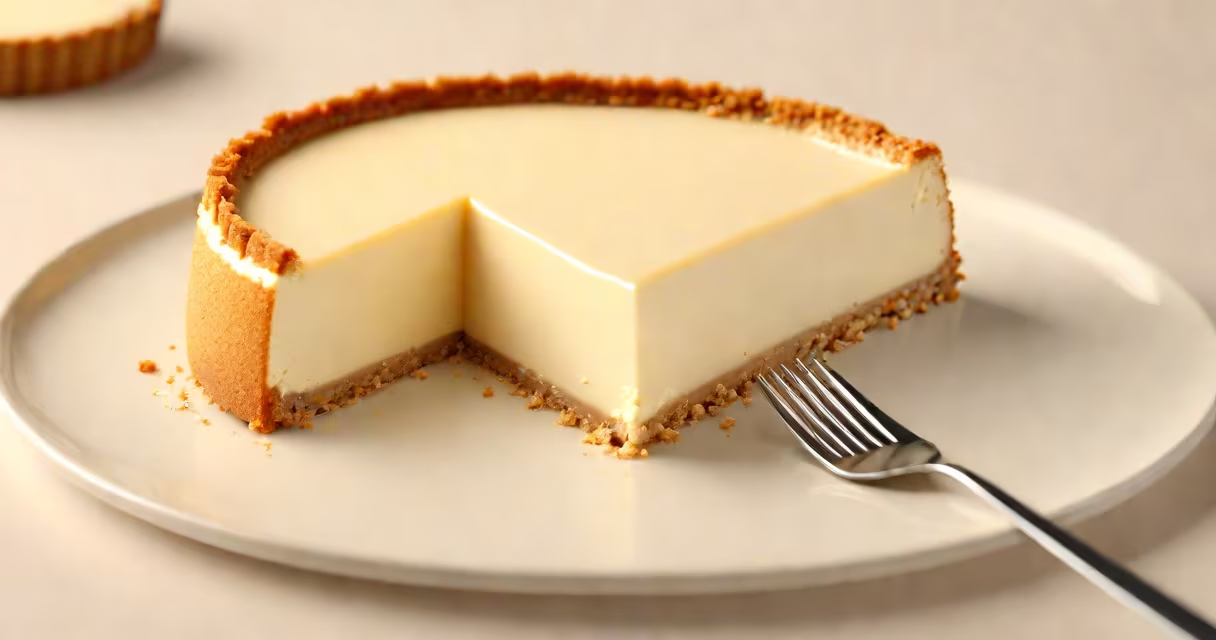
Sugar free cheesecake is a no-sugar version of the classic dessert that uses alternative sweeteners like erythritol, stevia, or monk fruit instead of sucrose. It maintains the rich, creamy texture and tangy flavor of traditional cheesecake while keeping net carbs and blood sugar impact low.
Unlike standard cheesecakes that rely on granulated sugar for sweetness and structure, sugar free versions depend on low-glycemic sweeteners that don't spike insulin. These substitutes allow people managing diabetes, following ketogenic or low-carb diets, or reducing sugar intake to enjoy a dessert that satisfies cravings without compromising health goals.
The base typically uses crushed sugar-free cookies or a mix of almond flour and butter. The filling combines cream cheese, eggs, vanilla extract, and a sugar substitute-often in a 1:1 ratio to regular sugar. Baking time remains similar, around 50-60 minutes at 325°F (163°C), but the texture may set faster due to reduced moisture from lower sugar content.
Traditional sugar contributes both sweetness and texture by stabilizing the egg proteins and preventing excessive curdling during baking. Without it, the filling can be fragile or overly runny. To compensate, sugar free cheesecake recipes often include a small amount of xanthan gum or cornstarch to improve consistency.
Erythritol is the most common substitute because it behaves like sugar in baking-measuring cup-for-cup, dissolving well, and not causing digestive upset in moderate amounts. Stevia and monk fruit extracts are much sweeter than sugar, so they're used in tiny quantities. A 1/4 teaspoon of pure stevia powder can replace 1 cup of sugar, making precise measuring essential.
For example, a recipe calling for 1 cup (200g) of sugar would use 1 cup (200g) of erythritol. If using liquid stevia, follow the brand's dilution chart-some require 1/2 tsp of concentrated extract per cup of sugar. Overusing high-intensity sweeteners leads to a bitter aftertaste, especially when baked.
Sugar free cheesecake comes in several forms based on dietary needs and ingredient choices:
| Type | Base | Primary Sweetener | Dietary Fit |
|---|---|---|---|
| Keto | Almond flour + butter | Erythritol + stevia blend | Low-carb, high-fat |
| Diabetic-Friendly | Sugar-free graham crackers | Monk fruit or erythritol | Low glycemic index |
| Dairy-Free | Coconut flour crust | Stevia or erythritol | Lactose intolerant, vegan |
Some brands offer pre-made sugar free cheesecake slices, such as those sold under the Gullon Sugar Free Biscuits line. These are often frozen and marketed for diabetics. They use a combination of erythritol and natural flavors to mimic the taste of regular cheesecake, though they tend to be less dense and more gelatinous than homemade versions.
A non-obvious fact: many sugar free cheesecakes labeled "sugar free" still contain hidden sugars. Check the ingredient list for maltitol, dextrose, or evaporated cane juice. Maltitol, while technically a sugar alcohol, raises blood glucose levels more than erythritol and can cause bloating. Always verify the label.
Many assume sugar free means calorie-free or safe for everyone. That's incorrect. While sugar free cheesecake avoids sucrose, it still contains fat and calories from cream cheese, eggs, and butter. A single slice can have 300-400 calories and 20-25 grams of fat.
Another misconception is that all sugar alcohols are equal. Erythritol has minimal caloric impact (0.2 calories per gram) and causes little GI distress. Maltitol and sorbitol, however, can trigger diarrhea or gas in sensitive individuals. One study published in the journal Food & Function found that consuming 50g of maltitol led to significant bloating in 60% of test subjects.
I once baked a batch using a store-bought erythritol blend labeled "natural." After cooling, the cake cracked severely. The issue was that the blend contained dextrose, which caramelized unevenly during baking. Switching to pure powdered erythritol resolved the problem. This taught me that not all "sugar free" products are created equal-even if they look the same.
Sugar free cheesecake is popular among people with type 2 diabetes. According to the American Diabetes Association, desserts with a glycemic load below 10 are acceptable in moderation. A typical serving of sugar free cheesecake has a glycemic load of 3-5, compared to 15-20 for regular cheesecake.
For home bakers, a reliable recipe uses:
Preheat oven to 325°F (163°C). Mix crust ingredients and press into a 9-inch springform pan. Bake for 10 minutes. In a bowl, beat cream cheese until smooth. Add erythritol, lemon juice, vanilla, and cornstarch. Beat until blended. Add eggs one at a time, scraping the bowl. Pour filling over crust. Bake 55 minutes. Cool completely before refrigerating for at least 4 hours.
The result is a firm, glossy surface with a clean slice. Texture is slightly firmer than regular cheesecake due to lower moisture, but the flavor is rich and balanced. No aftertaste from artificial sweeteners when properly measured.
For those who prefer convenience, sugar free mints are often paired with this dessert. They provide a refreshing finish without adding sugar. If you're looking for a quick treat, sugar free mints can complement a slice without disrupting dietary goals.
When choosing a sugar free cheesecake, prioritize brands that disclose all ingredients and avoid those with "natural flavors" or "blends" without listing components. Transparency matters-especially for people managing metabolic conditions.
Sugar free cheesecake offers a way to enjoy a beloved dessert without the sugar crash or insulin spike. It's not just for people with medical needs-it's a practical option for anyone seeking healthier alternatives without sacrificing indulgence.