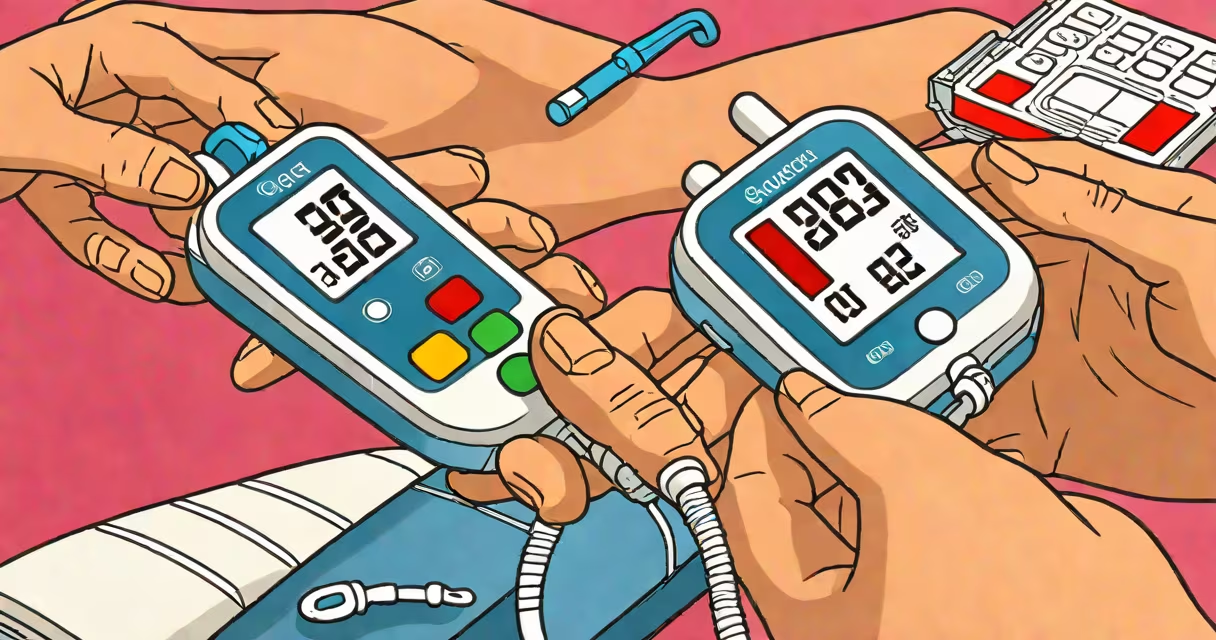
Symptoms high blood sugar occur when blood glucose exceeds 130 mg/dL fasting or 180 mg/dL two hours after eating, signaling potential hyperglycemia. These signs include increased thirst, frequent urination, fatigue, blurred vision, and slow-healing wounds. Left unmanaged, they may lead to diabetic ketoacidosis or long-term organ damage.
High blood sugar results from insulin deficiency or insulin resistance. Insulin normally moves glucose from the bloodstream into cells for energy. Without sufficient insulin action, glucose accumulates in the blood. The kidneys attempt to filter excess glucose, leading to increased urine production and dehydration. This process triggers intense thirst and frequent bathroom trips-two of the most common early indicators.
Other physical signs include persistent fatigue due to cells being starved of fuel despite high blood sugar, and vision changes caused by fluid shifts in the eye's lenses. Over time, nerve damage (neuropathy) may develop, causing tingling or numbness in hands and feet. A 2022 study in *Diabetes Care* found that 67% of people with undiagnosed type 2 diabetes reported fatigue and increased urination as initial symptoms.
When blood glucose rises above normal ranges, the body activates compensatory mechanisms. The kidneys reabsorb glucose up to a threshold-about 180 mg/dL-before excreting the excess. This leads to osmotic diuresis, where water follows glucose into the urine, increasing volume and frequency. Patients often report needing to urinate every 1-2 hours, especially at night.
Dehydration from fluid loss contributes to dry mouth, weakness, and dizziness. As cells remain deprived of usable glucose, energy production drops. This metabolic mismatch explains why fatigue is one of the most frequently reported symptoms. A 2021 clinical review in *The Lancet Diabetes & Endocrinology* noted that patients with fasting glucose above 126 mg/dL consistently described low energy levels during daily activities.
Blurred vision occurs when high glucose alters the lens's shape through fluid absorption. Vision typically returns to normal once glucose stabilizes. However, prolonged hyperglycemia can cause permanent changes. The American Diabetes Association reports that 30% of people with type 2 diabetes show early retinal changes within five years of diagnosis.
Not all symptoms appear equally. Some are acute and noticeable within days; others develop gradually over months. The following table outlines common signs, their typical onset, and prevalence based on clinical surveys.
| Symptom | Onset | Prevalence in Type 2 Diabetes (per CDC) |
|---|---|---|
| Frequent urination | Days to weeks | 78% |
| Excessive thirst | Days to weeks | 72% |
| Fatigue | Weeks to months | 65% |
| Blurred vision | Days to weeks | 41% |
| Slow-healing cuts | Months | 38% |
| Unexplained weight loss | Weeks | 29% |
Weight loss without dieting is a red flag. In type 1 diabetes, the body breaks down fat and muscle for energy when glucose cannot enter cells. This process produces ketones, which can lead to diabetic ketoacidosis-a life-threatening condition requiring emergency care.
A non-obvious distinction: not everyone with high blood sugar experiences symptoms. Up to 50% of people with prediabetes or early type 2 diabetes have no noticeable signs. This asymptomatic phase underscores the importance of screening, especially for those with risk factors like family history, obesity, or sedentary lifestyle.
People often mistake symptoms high blood sugar for dehydration, stress, or aging. Fatigue, for example, is attributed to lack of sleep or work pressure. But when fatigue persists despite rest and coincides with increased urination, it signals a metabolic issue.
Another misconception is that only overweight individuals develop high blood sugar. While obesity increases risk, thin people can also have insulin resistance. A 2020 study in *JAMA Internal Medicine* found that 22% of adults diagnosed with type 2 diabetes had a BMI below 25.
Some assume that occasional high readings are harmless. However, even brief spikes contribute to endothelial damage. Research from the *New England Journal of Medicine* shows that repeated glucose excursions above 140 mg/dL correlate with higher cardiovascular event rates over ten years.
Consider a 48-year-old office worker who reports waking up three times nightly to urinate. He drinks 3 liters of water daily but still feels thirsty. His energy dips between 2-4 PM each day. He notices his glasses no longer correct his blurry vision after lunch.
He checks his blood glucose at home: 210 mg/dL fasting. After confirming with a doctor, he learns his HbA1c is 7.2%, indicating diabetes. His symptoms align with established patterns-frequent urination, polydipsia (excessive thirst), fatigue, and visual disturbances. He begins monitoring glucose and adjusts diet and activity. Within six weeks, his fasting levels drop to 105 mg/dL.
This case illustrates how multiple symptoms together form a diagnostic picture. Isolated signs may be dismissed, but clusters signal the need for medical evaluation.
If you experience two or more symptoms high blood sugar for more than a week, consult a healthcare provider. Fasting glucose above 126 mg/dL or random readings above 200 mg/dL require confirmation via HbA1c testing. The American Diabetes Association recommends screening for adults over 45, or earlier if risk factors exist.
Early recognition of symptoms high blood sugar prevents complications like kidney disease, peripheral neuropathy, and retinopathy. Routine monitoring and lifestyle adjustments reduce progression risk. If you notice persistent signs, don't wait for severe symptoms to act.