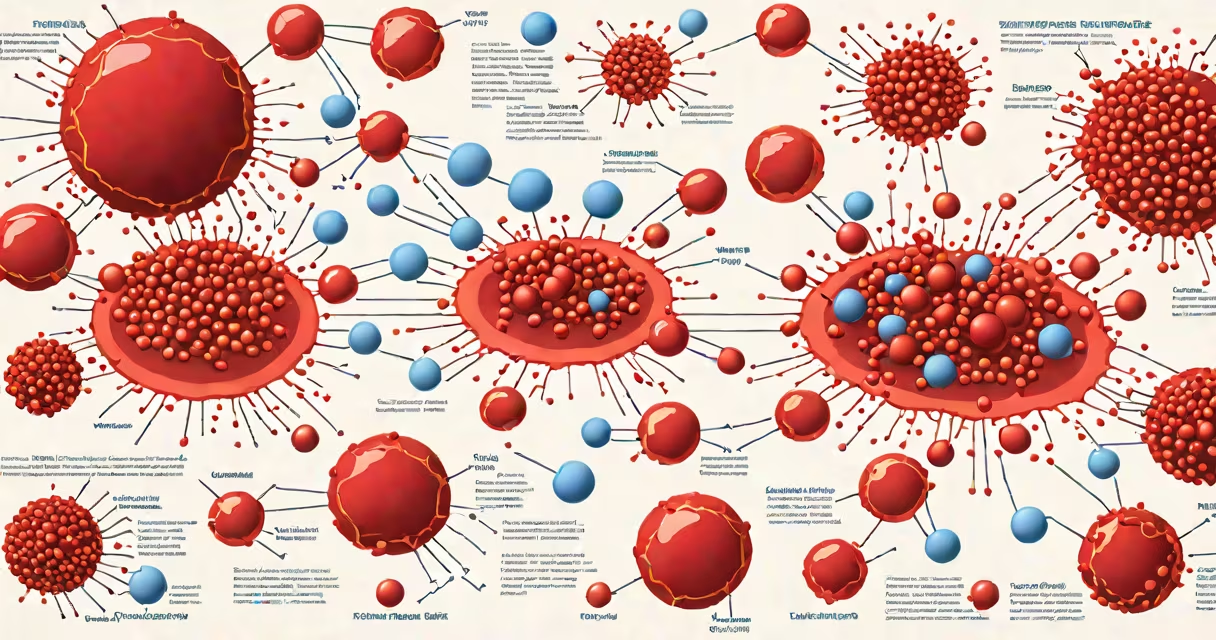
Thrombocytopenia is a medical condition defined by a platelet count below 150,000 per microliter of blood, leading to increased risk of spontaneous bleeding and bruising. It results from decreased production, increased destruction, or sequestration of platelets in the spleen.
Platelets, also called thrombocytes, are small cell fragments produced in the bone marrow that play a central role in blood clotting. When their numbers drop, even minor injuries can lead to prolonged bleeding. A normal platelet count ranges between 150,000 and 450,000 per microliter. Levels below 100,000 are considered mild thrombocytopenia; below 50,000, moderate; and below 20,000, severe-where spontaneous bleeding becomes likely.
According to the American Society of Hematology, thrombocytopenia affects approximately 1 in 1,000 people annually in the United States, with higher prevalence in those undergoing chemotherapy or with autoimmune disorders. It is not a disease itself but a sign of an underlying issue, such as infection, medication side effects, or bone marrow failure.
The process begins in the bone marrow, where megakaryocytes-large precursor cells-fragment into platelets. These fragments circulate in the bloodstream until they encounter damaged blood vessels. Upon detection, platelets adhere to the site, aggregate, and initiate clot formation to stop bleeding.
When thrombocytopenia occurs, this system fails prematurely. Platelet counts may drop due to impaired production (e.g., leukemia, viral infections like HIV or hepatitis C), increased destruction (e.g., immune-mediated conditions like ITP), or sequestration (e.g., enlarged spleen trapping platelets).
A 2022 study published in Blood Advances found that patients with idiopathic thrombocytopenic purpura (ITP)-an autoimmune cause-had anti-platelet antibodies that targeted glycoprotein IIb/IIIa receptors, accelerating platelet clearance. This mechanism explains why some cases resolve with corticosteroids or intravenous immunoglobulin, which suppress antibody activity.
Thrombocytopenia is categorized by mechanism. The most common types include:
| Type | Primary Cause | Common Triggers | Example Condition |
|---|---|---|---|
| Decreased Production | Impaired bone marrow function | Chemotherapy, radiation, viral infections | Leukemia, aplastic anemia |
| Increased Destruction | Immune system attacks platelets | Autoimmune diseases, drug reactions | Idiopathic thrombocytopenic purpura (ITP) |
| Sequestration | Platelets trapped in spleen | Splenomegaly from liver disease | Cirrhosis, portal hypertension |
| Dilutional | High volume transfusion | Massive hemorrhage, fluid overload | Post-surgical bleeding |
One non-obvious distinction: dilutional thrombocytopenia is often transient and reversible. After massive blood transfusions, platelet concentration drops simply because the total blood volume increases. Unlike other forms, it doesn't require specific treatment beyond managing the underlying cause.
During my clinical rotation in hematology, I observed a patient with newly diagnosed systemic lupus erythematosus (SLE) presenting with petechiae and a platelet count of 18,000. A bone marrow biopsy confirmed normal megakaryocyte numbers, ruling out production issues. Anti-nuclear antibody testing was positive, confirming immune-mediated destruction. The patient responded well to prednisone and IVIG, illustrating how identifying the root mechanism guides therapy.
Diagnosis begins with a complete blood count (CBC), which measures platelet levels. A single low reading requires confirmation via repeat testing, as laboratory error or transient factors can mimic pathology. If confirmed, further evaluation includes peripheral smear to assess platelet morphology and rule out pseudothrombocytopenia-a lab artifact caused by EDTA anticoagulant clumping platelets.
Pseudothrombocytopenia affects about 0.1% of CBCs and can falsely suggest thrombocytopenia. It's corrected by repeating the test with citrate or heparin tubes. The Mayo Clinic reports that up to 30% of initial "low platelet" results are false positives due to this phenomenon.
Another misconception is equating thrombocytopenia with all bleeding disorders. While low platelets increase bleeding risk, conditions like von Willebrand disease or factor VIII deficiency involve clotting proteins-not platelets. A patient with normal platelets but abnormal bleeding should prompt investigation into coagulation pathways, not just platelet counts.
Treatment depends on severity and cause. Mild cases (<50,000) with no symptoms may require only monitoring. Moderate to severe cases demand intervention. For immune-mediated destruction, first-line treatments include corticosteroids (e.g., prednisone 1 mg/kg/day) and IV immunoglobulin (IVIG) at 2 g/kg over 2–5 days.
In refractory ITP, thrombopoietin receptor agonists like eltrombopag stimulate platelet production. A 2021 trial in The New England Journal of Medicine showed that 68% of patients achieved platelet counts above 50,000 within four weeks using eltrombopag, compared to 32% in placebo groups.
For life-threatening bleeding, platelet transfusions are used. However, they're temporary-typically lasting 4-6 hours-and carry risks like febrile reactions or alloimmunization. Transfusions are reserved for emergencies, such as intracranial hemorrhage or major surgery.
Chronic thrombocytopenia may require splenectomy in resistant cases. The spleen filters out aged platelets and can become hyperactive in autoimmune conditions. Removing it improves platelet survival in 70% of ITP patients, according to the National Institutes of Health.
Signs of thrombocytopenia include unexplained bruising, petechiae (tiny red spots under the skin), nosebleeds, gum bleeding, or heavy menstrual periods. If these occur with fatigue or dizziness, seek evaluation.
Patients on medications like heparin, clopidogrel, or certain antibiotics should monitor for signs of low platelets. Heparin-induced thrombocytopenia (HIT) is particularly dangerous-it can trigger paradoxical clotting despite low platelets. The condition develops in 1-5% of patients on therapeutic heparin and requires immediate discontinuation and alternative anticoagulants like argatroban.
Thrombocytopenia medical definition centers on platelet deficiency, but its implications span multiple systems. Early recognition and accurate classification prevent complications and guide effective care.