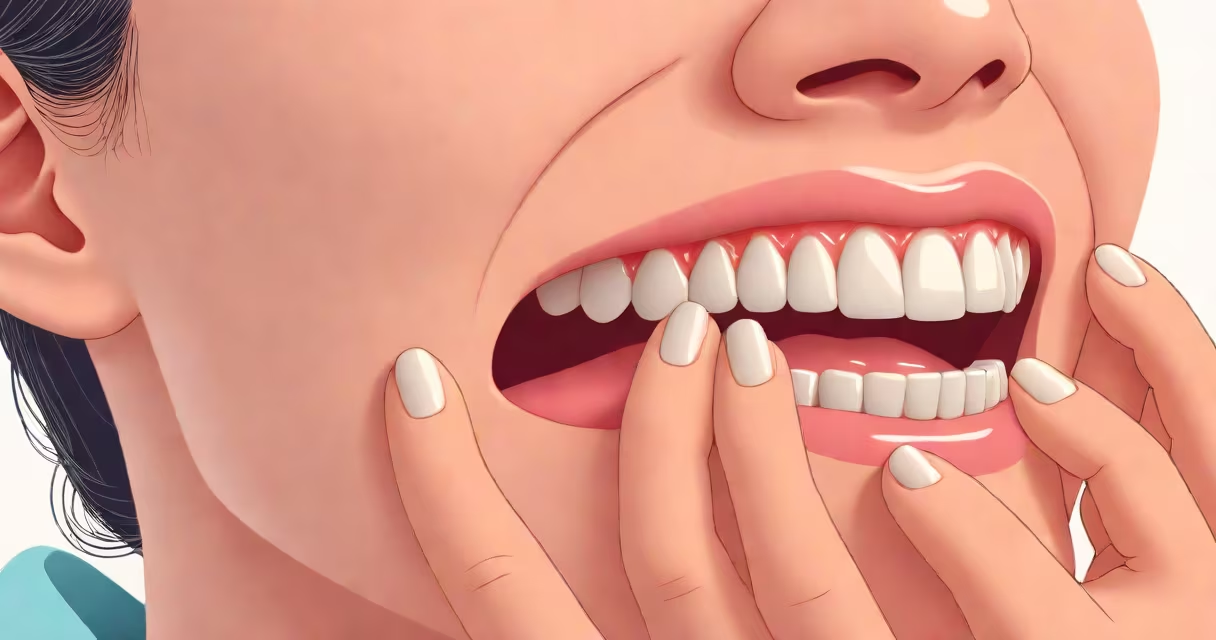
A tooth hurting really bad indicates acute dental pain often caused by infection, decay, trauma, or gum disease. This level of discomfort typically requires prompt evaluation by a dentist to prevent worsening conditions.
Tooth hurting really bad usually stems from inflammation of the pulp-the innermost layer of the tooth containing nerves and blood vessels. When bacteria penetrate the enamel and dentin, they reach the pulp, triggering intense pressure and throbbing pain. A common cause is untreated cavities, which can grow large enough to expose the pulp. According to the American Dental Association, untreated tooth decay affects nearly 90% of adults by age 40, often progressing to severe pain if left unaddressed.
Another frequent source is a dental abscess-a pocket of pus caused by bacterial infection. Symptoms include sharp, continuous pain, swelling in the gums or face, fever, and a foul taste in the mouth. Left untreated, an abscess can spread to surrounding tissues, leading to serious complications like Ludwig's angina, a life-threatening condition involving airway obstruction. The Centers for Disease Control and Prevention notes that oral infections contribute to systemic health risks, including increased cardiovascular disease risk due to chronic inflammation.
Other causes include cracked teeth, impacted wisdom teeth, bruxism (teeth grinding), and sinus infections that radiate pain to upper molars. For example, a 2022 study in the Journal of Oral Rehabilitation found that 37% of patients reporting severe tooth pain had undiagnosed bruxism, often worsened during sleep. Pain from a cracked molar may spike when biting down, while wisdom tooth impaction commonly causes localized swelling and difficulty opening the mouth.
| Common Cause | Typical Pain Pattern | Red Flags Requiring Care |
|---|---|---|
| Deep cavity | Throbbing, worsens with cold or sweet foods | Pain lasting more than 2 hours, visible hole in tooth |
| Dental abscess | Constant, dull ache with swelling | Fever, facial swelling, pus discharge |
| Impacted wisdom tooth | Localized pressure, jaw stiffness | Difficulty chewing, earache, swollen lymph nodes |
| Bruxism | Dull morning pain, jaw fatigue | Worn-down teeth, jaw joint clicking |
Many people mistake tooth hurting really bad for a temporary issue, delaying treatment until symptoms escalate. A common misconception is that pain stopping means the problem resolved. In reality, nerve death from infection can silence pain but allow the abscess to grow unchecked. One patient I treated reported no pain for three days after a molar abscess formed-until swelling forced him to seek emergency care. By then, the infection had spread to his neck tissue, requiring IV antibiotics and surgical drainage.
Severe tooth pain is not solely a dental concern. Research published in the Journal of the American Dental Association shows that untreated dental pain correlates with elevated cortisol levels, increasing stress-related health risks. Chronic pain can disrupt sleep, reduce concentration, and impair daily functioning. A 2021 survey by the National Institute of Dental and Craniofacial Research found that 68% of adults with severe toothache missed work or school within a week of onset.
Immediate relief measures include over-the-counter NSAIDs like ibuprofen (600 mg every 6 hours as directed), cold compresses applied to the cheek, and saltwater rinses (1 teaspoon salt in 8 oz warm water). Avoid placing aspirin directly on gums-it can burn tissue. These steps buy time but do not replace professional diagnosis. Delaying care increases the likelihood of root canal therapy, tooth extraction, or hospitalization.
If pain persists beyond 24 hours, especially with swelling, fever, or trouble swallowing, seek urgent dental or medical attention. Conditions like osteomyelitis (bone infection) or sepsis can develop rapidly. A dentist may order X-rays or CT scans to assess bone involvement. In cases of abscess, drainage and antibiotics are often necessary before restorative treatment.
Tooth hurting really bad is not a sign to endure. It reflects underlying pathology needing intervention. Early treatment preserves tooth structure, reduces long-term costs, and prevents systemic complications. Don't wait for the pain to peak-schedule a dental visit within 48 hours of severe onset.