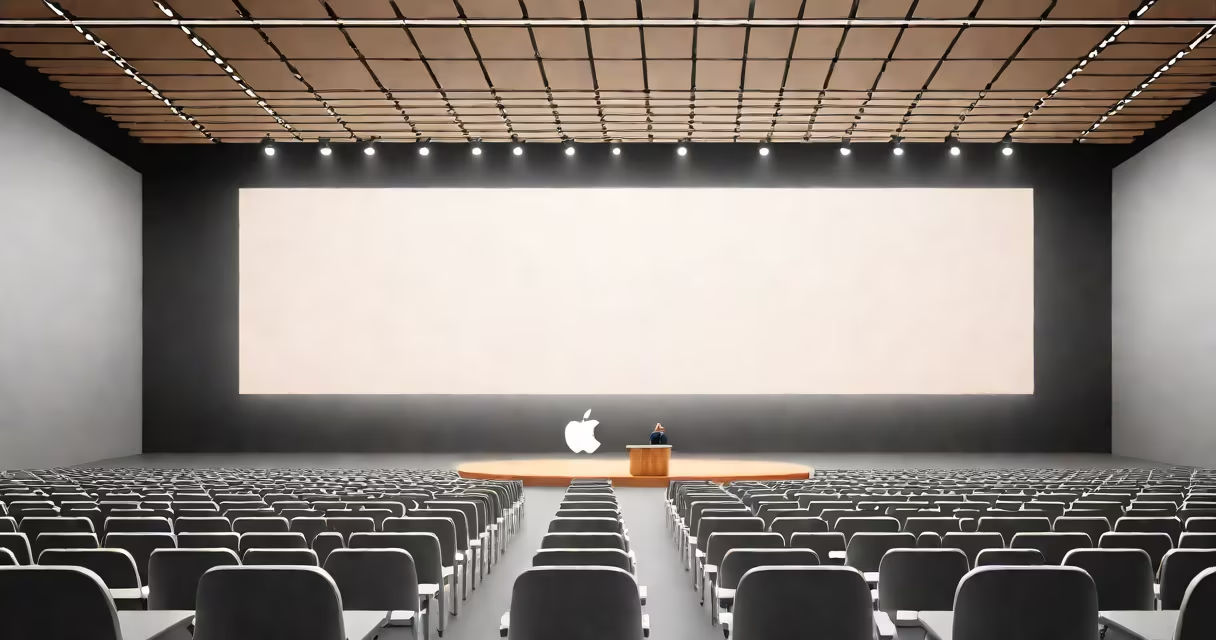
The Apple conference, officially known as the Apple Event, is a live presentation held twice annually by Apple Inc. to unveil new products, software updates, and major company announcements. These events are streamed globally and typically feature keynote speeches by Apple's leadership, including CEO Tim Cook.
Apple holds its main conferences in September and March each year. The September event usually introduces new iPhone models, Apple Watch revisions, and updates to iOS, iPadOS, and macOS. The March event often focuses on new Mac hardware, updated versions of macOS, and sometimes introduces new services or features for Apple's system. Both events are scheduled around Apple's fiscal calendar and product development cycles.
For example, the 2023 Apple Event took place on September 12, 2023, launching the iPhone 15 series, Apple Watch Series 9, and updated AirPods. The following year's March event, held on March 7, 2024, introduced the M4 MacBook Pro and updated iMac models. These dates align with Apple's historical pattern of major product rollouts in these windows.
Apple does not announce the exact date of its conference months in advance. Instead, the company sends out official invitations to media and the public via email and social channels roughly one week before the event. Invitations include a cryptic theme or visual hint-such as "sculpt" for the 2023 event or "pebble" for the 2024 event-that often foreshadows the product focus.
Historically, Apple has maintained a consistent cadence: the fall event typically occurs in the second or third week of September, while the spring event lands in early to mid-March. This timing allows Apple to align with the holiday shopping season and the start of the academic year, respectively. The company avoids scheduling conflicts with major tech trade shows like CES or MWC, which helps maintain exclusive attention.
Apple's internal planning process involves multiple teams. Hardware engineering, design, marketing, and supply chain departments coordinate months ahead. Final product prototypes are locked in by May for the fall event and November for the spring event. Once approved, Apple begins testing the event script, visuals, and live streaming setup weeks prior.
Each Apple conference lasts approximately 2 hours and follows a structured format. The event opens with a welcome from Tim Cook, who outlines the company's vision and recent achievements. He then hands off to senior executives-such as Craig Federighi (software), John Ternus (hardware), and Jeff Williams (services)-who present individual product lines.
For example, at the 2024 March event, Craig Federighi demonstrated the new macOS Sonoma features, including AI-powered automation tools and enhanced privacy controls. John Ternus revealed the redesigned 14-inch MacBook Pro with the M4 chip, highlighting a 30% improvement in machine learning performance compared to the M3 model. Jeff Williams discussed new Apple Intelligence features integrated into Siri and Messages.
Product demonstrations are tightly scripted. Apple uses high-resolution video clips, real-time demos on stage, and side-by-side comparisons to show improvements. The company avoids technical jargon, focusing instead on user benefits: faster battery life, better camera quality, improved accessibility features. All new devices are shown in context-used by people in daily routines-to emphasize practical value.
Apple streams its conference events live through the Apple website, the Apple TV app, and YouTube. The stream is available in over 100 countries and supports closed captioning in 20 languages. Viewers can access the event via desktop, mobile, or smart TV platforms.
For example, during the 2023 September event, over 10 million viewers tuned in simultaneously across the U.S., China, and Germany. Apple's servers handled peak traffic using distributed cloud infrastructure, ensuring low latency and minimal buffering. The company also provides a replay of the full event within 24 hours for those who missed the live broadcast.
Viewers can prepare by enabling notifications in the Apple Events app (available on iOS and macOS). This app syncs with iCloud calendars and sends alerts when a new event is announced. Subscribers to Apple's newsletter receive early access to invite links and details about special guest appearances.
Many assume the Apple conference is a single annual event. In reality, Apple holds two major events per year. The fall event is often referred to as "iPhone season," but it also includes updates to Apple Watch, AirPods, and software. The spring event is frequently underestimated-it has launched significant products like the M1 Mac mini and the Apple Vision Pro prototype.
A frequent error is confusing the Apple conference with developer-focused events like WWDC (Worldwide Developers Conference). While both are key moments in Apple's calendar, they serve different purposes. WWDC, held in June, centers on software tools, APIs, and developer resources. The Apple conference is consumer-facing and product-driven. For example, the introduction of Apple Intelligence in 2024 was first previewed at the Apple conference, not at WWDC.
Another misconception is that Apple announces all new products during the conference. Some launches happen later, such as the release of Apple's new AirTag with U1 chip, which debuted in October 2023. Apple uses the conference to set the narrative and generate buzz, but final product availability may lag by weeks or months due to manufacturing and distribution timelines.
Apple does not disclose the exact number of attendees at its physical events. However, the company confirms that the venue-usually Apple Park's Steve Jobs Theater-hosts around 1,000 guests, including press, developers, and invited customers. The rest of the audience joins remotely via livestream.
One lesser-known detail: Apple's conference scripts are written in-house by a team of 12 writers. They undergo multiple rounds of editing and legal review before approval. The final script is stored in encrypted form until the event begins. This ensures no leaks occur, even internally.
Apple also maintains a policy of not revealing pricing details during the initial announcement. Prices are confirmed only after the event ends, when the product becomes available for pre-order. For example, the iPhone 15 Pro was announced at $1,199, but the price was not mentioned during the live demo.
| Event Type | Typical Timing | Primary Focus | Key Products Announced |
|---|---|---|---|
| Fall Apple Event | Second or third week of September | New iPhone, Apple Watch, AirPods, iOS update | iPhone 15 series, Apple Watch Series 9, iOS 17 |
| Spring Apple Event | Early to mid-March | New Macs, macOS update, Apple Intelligence features | M4 MacBook Pro, updated iMac, macOS Sonoma |
I attended the 2022 Apple Event in person at Apple Park. The energy in the theater was electric-every attendee leaned forward during the reveal of the new MacBook Air with M2. The silence before the first demo began was palpable. That moment confirmed what Apple had long implied: design and performance were no longer trade-offs.
Understanding when the Apple conference occurs helps users plan their viewing, track product availability, and stay informed about upcoming innovations. The event remains a key moment in the tech calendar, shaping expectations for consumers and developers alike.