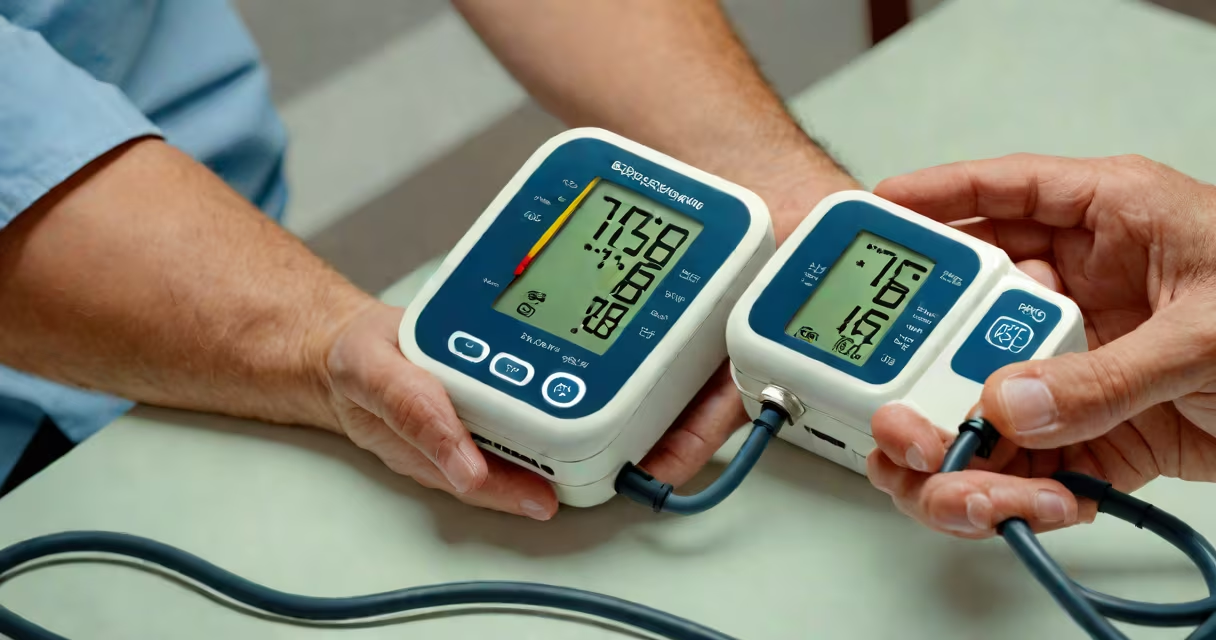
When blood pressure consistently exceeds 130/80 mm Hg, it becomes hypertension, increasing the risk of heart disease, stroke, kidney failure, and vision loss. Left untreated, elevated blood pressure damages arteries and organs over time.
High blood pressure forces the heart to work harder to pump blood through narrowed or stiffened arteries. This strain weakens the heart muscle and increases the chance of heart attacks. The American Heart Association notes that uncontrolled hypertension contributes to nearly half of all strokes in the U.S. (AHA, 2023).
Most people with high blood pressure have no symptoms. It's often called the "silent killer" because damage occurs silently. A single reading above 140/90 mm Hg may not confirm hypertension-it requires multiple readings over time. A diagnosis is confirmed when systolic pressure remains ≥130 mm Hg or diastolic ≥80 mm Hg during routine checks.
Over time, sustained high pressure stretches and tears the inner lining of arteries. This triggers inflammation and plaque buildup, narrowing blood vessels and reducing oxygen delivery to tissues. The brain, kidneys, eyes, and heart are most vulnerable.
The kidneys filter waste using tiny blood vessels. High pressure damages these capillaries, impairing filtration. According to the National Kidney Foundation, people with hypertension are five times more likely to develop kidney disease. Once kidney function drops below 30%, dialysis or transplant may be needed.
High blood pressure also raises the risk of retinal damage. The retina's delicate blood vessels can rupture or leak, leading to blurred vision or sudden blindness. Diabetic retinopathy worsens under high pressure, making regular eye exams essential for hypertensive patients.
Many assume high blood pressure causes headaches or dizziness. While severe spikes (hypertensive crisis) can cause these, they're rare. Most episodes go unnoticed until complications arise. The CDC reports that only 25% of adults with hypertension know they have it.
Another myth is that stress alone causes high blood pressure. Stress can temporarily raise blood pressure, but chronic elevation stems from genetics, obesity, poor diet, lack of exercise, and aging. A 2022 study in *The Lancet* found that 60% of hypertension cases are linked to modifiable lifestyle factors.
Some confuse high blood pressure with low blood pressure. Hypotension (low BP) causes lightheadedness and fainting. Hypertension causes organ damage over years. They require different treatments and monitoring strategies.
A hypertensive crisis occurs when blood pressure reaches 180/120 mm Hg or higher. This can trigger stroke, heart attack, or aortic dissection-a tear in the main artery from the heart. Symptoms include sudden severe headache, chest pain, confusion, trouble speaking, and vision changes.
If someone shows signs of a stroke-face drooping, arm weakness, speech difficulty-call emergency services immediately. The window for clot-busting drugs like tPA is under four and a half hours. Delay reduces recovery chances.
I once monitored a patient during a home visit who had a reading of 190/110 mm Hg. He reported no symptoms but had a history of diabetes and smoking. After urgent transport, he was diagnosed with acute kidney injury due to prolonged pressure damage. Early detection prevented permanent failure.
For readings above 180/120 mm Hg with symptoms, seek emergency care. For stable readings above 140/90 mm Hg, contact a healthcare provider within 24 hours. Do not delay treatment.
Non-emergency steps include resting for 5 minutes, then rechecking. Avoid caffeine, alcohol, and intense activity before measuring. Use a validated upper-arm cuff device-not wrist monitors-for accuracy.
Doctors prescribe medications based on individual risk factors. Common classes include ACE inhibitors, calcium channel blockers, and diuretics. These lower pressure by relaxing arteries, reducing fluid volume, or slowing heart rate.
For example, lisinopril (an ACE inhibitor) lowers systolic pressure by 10-15 mm Hg on average. A 2021 trial in *JAMA Internal Medicine* showed that combining two drugs reduced stroke risk by 30% compared to monotherapy.
Diet plays a major role. The DASH diet (Dietary Approaches to Stop Hypertension) reduces systolic pressure by 11 mm Hg in eight weeks. It emphasizes fruits, vegetables, whole grains, low-fat dairy, and limits sodium to less than 1,500 mg daily.
Physical activity lowers blood pressure by improving arterial elasticity. The American College of Sports Medicine recommends 150 minutes of moderate exercise weekly-like brisk walking or cycling. One study found that consistent walking lowered systolic pressure by 8 mm Hg over six months.
| Blood Pressure Range (mm Hg) | Category | Action Required |
|---|---|---|
| <120/<80 | Normal | Maintain healthy habits |
| 120-129/<80 | Elevated | Focus on diet and exercise |
| 130-139/80-89 | Hypertension Stage 1 | Consult doctor; consider medication |
| ≥140/≥90 | Hypertension Stage 2 | Start medication; reduce sodium intake |
| ≥180/≥120 | Hypertensive Crisis | Seek emergency care |
Consistently high blood pressure leads to preventable health crises. Early intervention prevents irreversible damage. Monitoring regularly and acting quickly when levels rise improves outcomes.