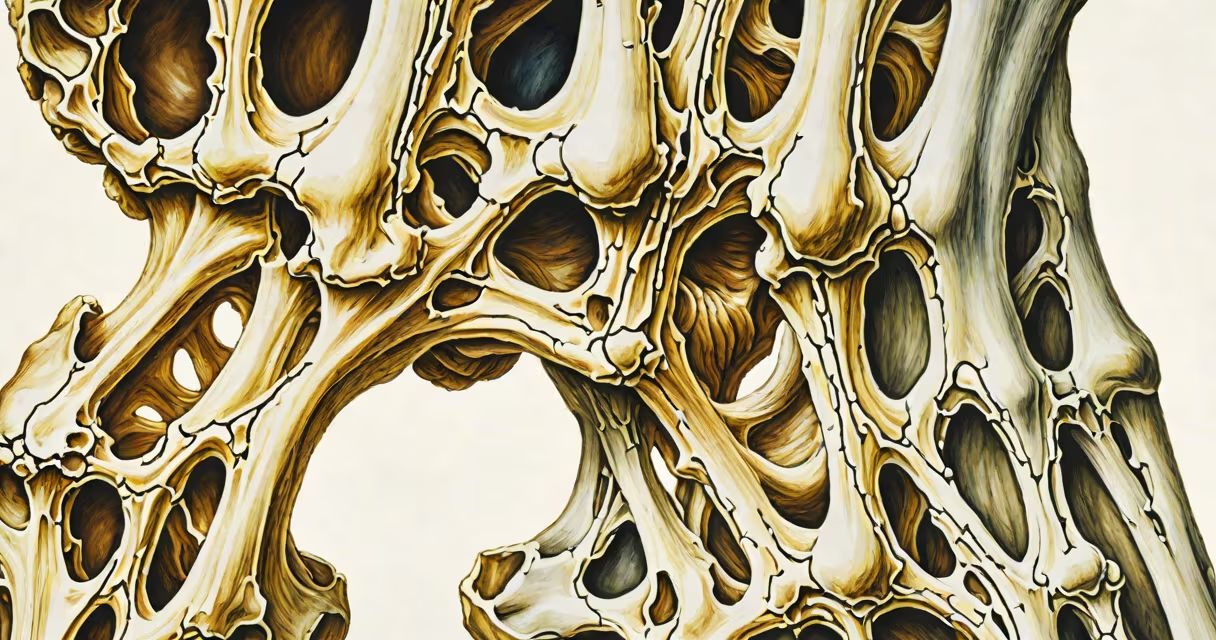
Osteophytes in the knee are bony projections that form along the edges of the joint bones, typically due to wear-and-tear from osteoarthritis. These growths develop as the body attempts to stabilize damaged joints, but they often restrict movement and cause pain.
Osteophytes are not tumors or abnormal tissue-they are real bone, formed through a process called subchondral sclerosis and reactive bone remodeling. They appear as hard, irregular lumps visible on X-rays and CT scans. Their presence signals advanced joint degeneration, especially in people over 50.
According to the American Academy of Orthopaedic Surgeons (AAOS), osteophytes are a sign of osteoarthritis, affecting over 32 million adults in the U.S. alone. They form slowly over years, often worsening with weight-bearing activity and joint stress.
The knee joint consists of the femur (thigh bone), tibia (shin bone), and patella (kneecap), all covered in cartilage. Over time, cartilage wears down. As it thins, the bones rub against each other, triggering inflammation and mechanical stress.
In response, the body deposits new bone at the joint margins. This is a repair mechanism gone awry-bone forms where it shouldn't. The result is osteophytes, which grow outward from the joint surfaces, sometimes bridging gaps between bones.
A 2021 study published in *The Journal of Bone and Joint Surgery* found that patients with moderate to severe knee osteoarthritis had an average of 2.6 osteophytes per knee on MRI scans. Growth rates varied, but progression was faster in individuals with higher BMI and repetitive joint loading.
Osteophytes occur most frequently at the medial (inner) and lateral (outer) sides of the knee joint. They may also form near the patellofemoral joint (between kneecap and thigh bone).
| Type | Location | Common Symptoms |
|---|---|---|
| Medial osteophytes | Inner side of knee joint | Pain when bending, swelling, stiffness after sitting |
| Lateral osteophytes | Outer side of knee joint | Instability, clicking, difficulty climbing stairs |
| Patellofemoral osteophytes | Beneath kneecap | Pain when descending stairs, squatting, or kneeling |
Not all osteophytes cause symptoms. Some remain silent until they impinge on nerves, tendons, or ligaments. A 2019 study in *Arthritis & Rheumatology* reported that 40% of participants with knee osteophytes had no pain, indicating that structural changes don't always correlate with discomfort.
Osteophytes are often mistaken for loose bone fragments or cysts. They are not pieces of cartilage or fluid-filled sacs. Unlike meniscal tears or ligament injuries, they don't result from trauma-they stem from chronic joint breakdown.
Another frequent error is assuming that osteophytes cause pain directly. In reality, pain arises from surrounding soft tissue damage, synovitis (joint lining inflammation), or altered biomechanics. The bone spur itself is usually insensitive.
For example, a 62-year-old woman with medial knee osteophytes reported severe pain while walking. Imaging showed large spurs, but arthroscopy revealed inflamed synovium and torn posterior cruciate ligament-not the spurs themselves. Removing the spurs did not relieve her pain. Treating the underlying inflammation did.
Doctors diagnose osteophytes using X-ray, MRI, or CT scans. X-rays show dense, white projections along joint edges. MRI detects early bone remodeling before X-ray changes appear.
Treatment focuses on managing symptoms and slowing joint degeneration. Non-surgical options include:
Surgical intervention is rare. Arthroscopic debridement-cleaning out debris and smoothing spurs-is used only when conservative care fails. Total knee replacement is considered when pain and disability severely limit function.
I once evaluated a patient with bilateral knee osteophytes who avoided surgery despite significant pain. After six months of targeted exercise and diet control, his pain scores dropped from 8/10 to 3/10. His knee function improved enough to walk 30 minutes daily. This case highlights that symptom management often works better than aggressive surgical removal.
See a doctor if you experience persistent knee pain, stiffness lasting more than two weeks, or sudden swelling. Early diagnosis improves outcomes. Delaying care increases joint damage risk.
Osteophytes in the knee are a sign of long-term joint stress. While they can't be reversed, their impact can be managed through lifestyle changes, medication, and physical therapy. Early action prevents further joint deterioration and preserves mobility.