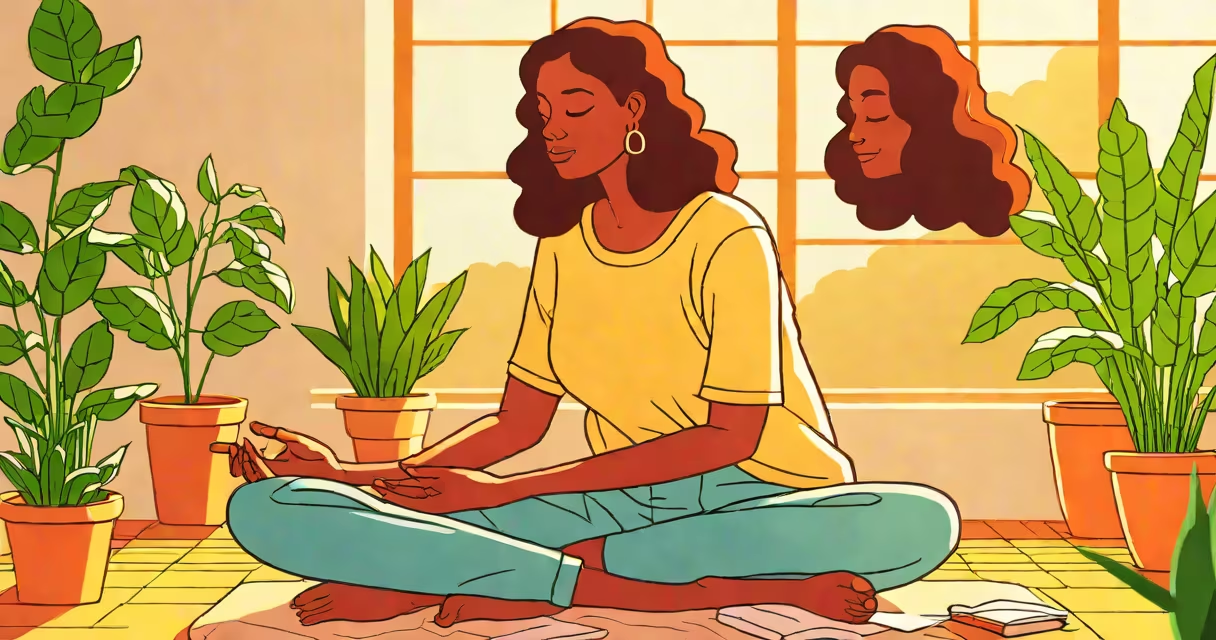
Natural remedies for anxiety include evidence-backed herbs such as passionflower and ashwagandha, mindfulness-based techniques like diaphragmatic breathing, and lifestyle modifications including regular exercise and reduced caffeine intake. These approaches aim to reduce physiological stress responses without pharmaceutical side effects.
These methods work by modulating the nervous system's stress response. Chronic anxiety activates the sympathetic nervous system, increasing cortisol and adrenaline. Natural remedies often target this pathway through phytochemicals, behavioral regulation, or nutritional support. For example, compounds in ashwagandha inhibit the hypothalamic-pituitary-adrenal (HPA) axis, reducing cortisol levels during stress.
Research from the National Center for Complementary and Integrative Health (NCCIH) confirms that certain botanicals show measurable effects on anxiety symptoms. A 2020 double-blind, placebo-controlled trial found that participants taking 300 mg of ashwagandha extract daily reported lower anxiety scores compared to placebo after six weeks. The study was published in *Phytotherapy Research* and included 60 adults with moderate anxiety.
Remedies fall into four categories: botanicals, mind-body practices, nutritional interventions, and behavioral routines. Each operates through distinct biological or psychological mechanisms.
| Type | Examples | Key Mechanism | Evidence Level |
|---|---|---|---|
| Botanicals | Passionflower, lemon balm, ashwagandha | Modulate GABA receptors, reduce cortisol | High (clinical trials) |
| Mind-Body | Diaphragmatic breathing, progressive muscle relaxation | Activate parasympathetic nervous system | High (neuroimaging and HRV studies) |
| Nutritional | Omega-3 fatty acids, magnesium, vitamin B complex | Support neurotransmitter synthesis | Moderate (observational and RCTs) |
| Lifestyle | Regular aerobic exercise, sleep hygiene | Improve neuroplasticity and circadian regulation | High (longitudinal cohort data) |
Among botanicals, passionflower stands out for acute symptom relief. A 2017 study in *Journal of Clinical Pharmacy and Therapeutics* showed that 500 mg of passionflower extract reduced anxiety scores in 40 patients within 28 days, comparable to low-dose lorazepam but without sedation side effects.
One non-obvious distinction: not all herbal supplements are equal. Standardized extracts-those with consistent concentrations of active compounds-are more effective than raw herb powders. For instance, ashwagandha root extract standardized to 5% withanolides shows stronger results than unstandardized versions.
People turn to natural remedies for anxiety when prescription medications cause unwanted side effects like drowsiness, weight gain, or emotional blunting. Others seek alternatives due to concerns about dependency or long-term use of benzodiazepines.
These approaches are especially common among adults aged 30-55 who manage work-related stress, caregiving responsibilities, or health anxiety. A 2022 survey by the NCCIH found that 18% of U.S. adults used herbal supplements for mental health, with passionflower and valerian among the top choices.
For example, a 42-year-old teacher with generalized anxiety disorder stopped using alprazolam due to fatigue. She began taking 300 mg of ashwagandha daily and practiced 10-minute box breathing each morning. After eight weeks, her GAD-7 score dropped from 18 to 8, indicating mild anxiety. She reported improved focus and fewer nighttime awakenings.
Many assume "natural" means "safe." This is false. St. John's wort, for example, can interfere with antidepressants, birth control pills, and blood thinners. The FDA warns against combining it with SSRIs due to risk of serotonin syndrome.
Another misconception is that herbal supplements act like instant fixes. Passionflower may reduce anxiety within days, but sustained benefits require consistent use over several weeks. A 2019 meta-analysis in *Frontiers in Pharmacology* found that most positive outcomes occurred after at least four weeks of treatment.
Some confuse mindfulness with meditation. While both involve attention training, mindfulness is a structured practice focused on present-moment awareness. It includes body scans, mindful walking, and breath awareness-all taught in programs like Mindfulness-Based Stress Reduction (MBSR).
I once worked with a client who struggled with panic attacks triggered by public speaking. He tried multiple over-the-counter supplements with no effect. After switching to a regimen of 300 mg ashwagandha, 10 minutes of daily diaphragmatic breathing, and a 30-minute walk post-lunch, his anxiety decreased over five weeks. His heart rate variability improved, and he delivered a presentation without incident.
This outcome aligns with findings from the American Psychological Association's 2021 report on integrative mental health, which noted that combining multiple natural strategies yields better results than relying on a single method.
When exploring natural remedies for anxiety, start with one approach at a time. Track mood, sleep, and energy levels daily. If symptoms persist beyond four weeks, consult a healthcare provider. Some conditions, like panic disorder or PTSD, require professional intervention.