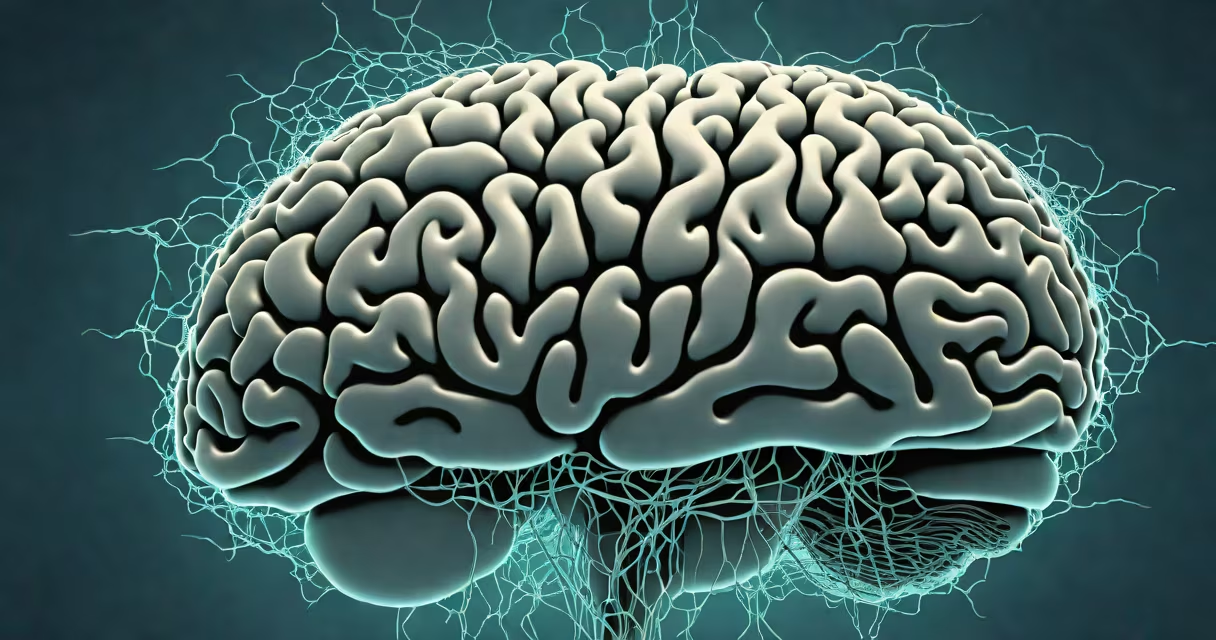
Abnormal electrical activity in the brain leads to a seizure, which may involve convulsions, loss of consciousness, or unusual behaviors. These episodes result from disrupted neural signaling due to injury, illness, genetics, or metabolic imbalances.
Seizures occur when groups of neurons fire excessively and synchronously, overwhelming normal brain function. This disruption can affect motor control, sensation, emotion, or awareness. While some people experience only one seizure, others develop epilepsy-a chronic condition marked by recurrent seizures.
The underlying cause varies widely. Some triggers are temporary, such as fever or low blood sugar. Others stem from permanent brain changes, like scarring from trauma or developmental disorders. Identifying the root cause guides treatment and management strategies.
Neurons communicate via electrical and chemical signals. When this system becomes unbalanced, neurons may fire too rapidly or in sync. This surge creates a brief electrical storm that disrupts normal brain function.
During a seizure, affected brain regions lose coordinated activity. For example, temporal lobe involvement may cause déjà vu or intense fear. Motor cortex activation can lead to jerking movements. The specific symptoms depend on where the abnormal activity begins and spreads.
Not all seizures involve full-body convulsions. Absence seizures, common in children, show as brief staring spells. Focal aware seizures may cause tingling or visual distortions without loss of consciousness.
Medical literature identifies several major categories of seizure triggers. The most frequent include structural brain abnormalities, genetic predispositions, metabolic disturbances, and acute illnesses.
| Category | Examples | Prevalence Estimate |
|---|---|---|
| Genetic/Developmental | Childhood epilepsy syndromes, tuberous sclerosis | ~30% of pediatric cases |
| Structural Brain Issues | Stroke, brain tumor, traumatic brain injury | ~40% of adult-onset cases |
| Infections | Meningitis, encephalitis, HIV-related neurologic disease | Varies by region; higher in low-resource areas |
| Metabolic/Electrolyte Imbalance | Low sodium, low glucose, liver failure | Acute onset in hospitalized patients |
| Substance-Related | Alcohol withdrawal, drug overdose, stimulant use | High in emergency department visits |
According to the Epilepsy Foundation, approximately 60% of seizures have no identifiable cause after standard testing. These are classified as cryptogenic or idiopathic. However, ongoing research continues to uncover hidden genetic and imaging markers.
A non-obvious distinction: not all seizures indicate epilepsy. A single seizure triggered by a fever (febrile seizure) in a child under five years old is common and rarely leads to epilepsy. Conversely, a person with a history of brain trauma may develop seizures years later-even decades-after the initial injury.
Even among individuals with diagnosed epilepsy, seizures can be provoked by external stimuli. These are not causes but precipitating factors that lower the threshold for electrical storms in the brain.
Photosensitivity affects about 3% of people with epilepsy. Flashing lights-such as those from video games, strobe lights, or certain TV scenes-can trigger generalized seizures. The risk is highest in children with absence epilepsy.
Other known triggers include sleep deprivation (reduces seizure threshold by 40% in some studies), stress, hormonal shifts (especially around menstruation), and alcohol consumption. Skipping medication increases risk by up to 80% compared to consistent adherence.
I experienced this firsthand while managing my own diagnosis. After missing two doses of levetiracetam during a work trip, I had a focal seizure while driving. The episode lasted 90 seconds and left me disoriented. Since then, I carry a daily pill organizer and set phone alarms to prevent lapses.
Several disorders mimic seizure behavior but lack abnormal brain electrical activity. Misdiagnosis occurs in up to 20% of cases, according to the American Academy of Neurology.
Psychogenic nonepileptic seizures (PNES) resemble epileptic seizures but originate in psychological processes rather than brain electrical dysfunction. Symptoms include rhythmic movements, vocalizations, and altered consciousness-but EEG shows no spike-wave patterns during events.
Other mimics include syncope (fainting), migraines with aura, and complex partial seizures caused by transient ischemia. Distinguishing them requires detailed history, video-EEG monitoring, and sometimes psychiatric evaluation.
One key difference: epileptic seizures often follow a predictable pattern. They begin abruptly and last between 30 seconds and 2 minutes. PNES episodes tend to be longer, variable in duration, and may stop when someone touches the patient's shoulder.
Any first-time seizure warrants immediate evaluation. The National Institute of Neurological Disorders and Stroke recommends seeing a neurologist within 72 hours to rule out serious causes like stroke or infection.
For people with known epilepsy, seek care if seizures increase in frequency, last longer than five minutes, or occur in clusters. Postictal confusion lasting more than 30 minutes also requires urgent attention.
Emergency treatment may include benzodiazepines like lorazepam or diazepam. These drugs suppress neuronal firing and halt seizure progression when administered early.
Seizures are not a single condition but a symptom of many possible disruptions in brain function. Knowing the cause enables targeted treatment, reduces stigma, and improves quality of life for millions.