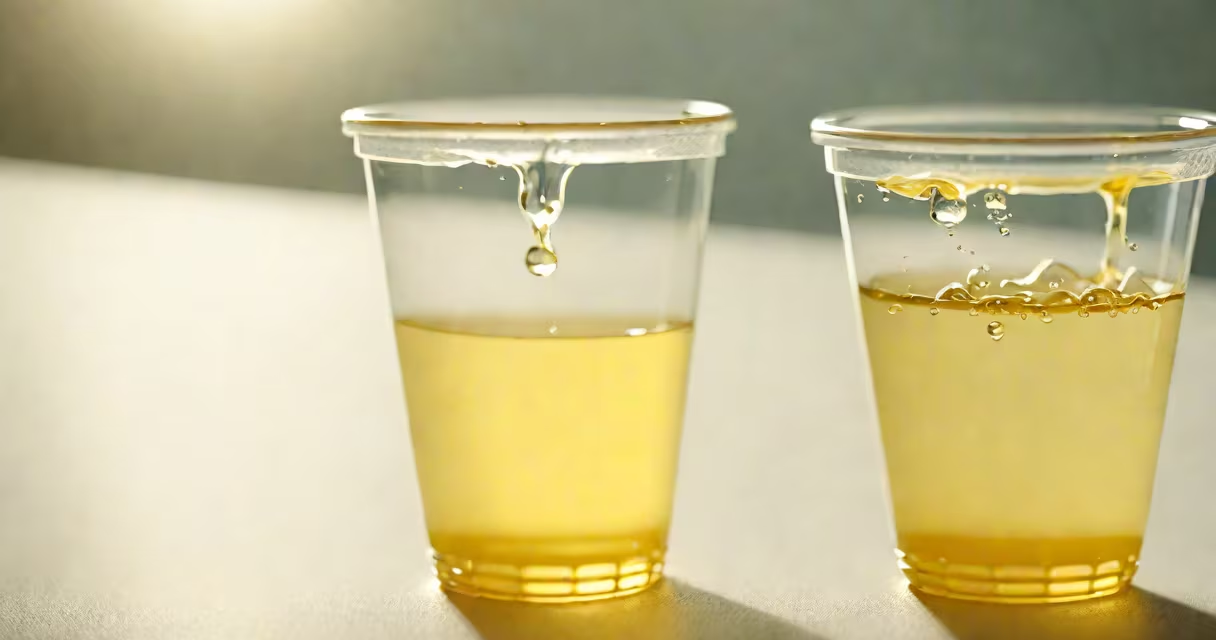
Unusually strong or unpleasant urine odor often results from dehydration, urinary tract infections, dietary factors, or underlying metabolic conditions. The smell may resemble ammonia, sulfur, or rotten eggs depending on the cause.
Urine is primarily water, urea, salts, and waste products filtered by the kidneys. When concentration increases due to low fluid intake, waste compounds like ammonia intensify, producing a sharp, pungent smell. This is common in people who drink little water or sweat heavily during exercise.
When bacteria enter the urinary tract, they metabolize urea into ammonia and other volatile compounds. A UTI can cause urine to smell sweet, fishy, or sour. According to the American Urological Association, over 7 million UTIs occur annually in the U.S., with women at higher risk due to shorter urethras.
Diet plays a major role. Foods high in sulfur-like garlic, onions, asparagus, and red meat-can alter urine scent. Asparagus contains asparagusic acid, which breaks down into volatile sulfur compounds excreted in urine. About 20-40% of people produce this odor, according to a 2016 study published in Chemical Senses.
Dehydration concentrates urine, increasing ammonia levels. Urine may appear dark yellow and emit a strong ammonia smell. The National Institutes of Health recommends drinking at least 8 cups (2 liters) of fluid daily to maintain proper hydration and dilute waste products.
Bacterial infections such as cystitis or pyelonephritis release enzymes that break down urea into ammonia and other odorous molecules. Symptoms include burning during urination, frequent urges, cloudy urine, and fever. Left untreated, UTIs can lead to kidney damage.
Diabetes mellitus can cause urine to smell sweet or fruity due to excess ketones. When blood sugar remains high, the body breaks down fat for energy, producing acetone-a compound detectable in breath and urine. The Mayo Clinic notes that this smell is a warning sign of diabetic ketoacidosis, a life-threatening condition requiring immediate treatment.
Metabolic disorders like trimethylaminuria (TMAU), also known as "fish odor syndrome," result from the body's inability to break down trimethylamine. This compound accumulates and is excreted in urine, sweat, and breath. The smell resembles rotting fish and persists despite hygiene. The Genetic and Rare Diseases Information Center reports that TMAU affects approximately 1 in 200,000 people.
Liver disease impairs detoxification processes. Bilirubin and other breakdown products may appear in urine, giving it a musty or earthy odor. Elevated bilirubin levels are a key marker in diagnosing liver dysfunction, per the American Liver Foundation.
Some antibiotics, especially sulfonamides and nitrofurantoin, can give urine a distinct chemical or medicinal odor. The Centers for Disease Control and Prevention notes that patients taking nitrofurantoin may notice a strong smell within hours of ingestion. This effect is temporary and stops after discontinuation.
Supplements such as vitamin B6 (pyridoxine) in high doses can make urine bright yellow and slightly pungent. While harmless, this change often alarms users unfamiliar with the side effect. The Linus Pauling Institute confirms that B6 toxicity is rare but can occur above 100 mg/day.
For example, a 35-year-old woman reported a persistent sulfur-like odor after starting a 50 mg B6 supplement daily. After stopping, her urine returned to normal within 48 hours. She had no other symptoms, indicating the smell was drug-related rather than pathological.
Seek medical evaluation if bad urine smell persists beyond 48 hours after rehydrating or changing diet. Red flags include pain during urination, blood in urine, fever, or unexplained weight loss. These signs suggest infection or systemic illness.
Urine tests can identify elevated white blood cells, nitrates, glucose, or ketones. A dipstick test costs under $20 and is available at most pharmacies. If abnormal results persist, a healthcare provider may order a urine culture to isolate bacteria.
Not all strong urine smells indicate illness. A single episode of foul odor after eating asparagus or skipping fluids is normal. However, consistent or worsening smell-especially with other symptoms-requires attention.
Many assume that strong urine smell equals poor hygiene. This is incorrect. The odor originates in the kidneys and bladder, not the genital area. External cleaning won't eliminate internal causes.
A common error is attributing smell solely to diet. While food influences odor, it doesn't explain persistent or severe cases. For instance, a man with chronic fishy-smelling urine was initially told it was due to his seafood-heavy diet. Further testing revealed he had undiagnosed trimethylaminuria.
| Odor Type | Most Likely Cause | Associated Symptoms | Testing Needed |
|---|---|---|---|
| Ammonia-like | Dehydration, UTI | Dark urine, urgency, burning | Urine dipstick, culture |
| Sulfur or rotten egg | UTI, asparagus, supplements | Gas in stool, bloating | Stool test, urine analysis |
| Fruity or sweet | Diabetic ketoacidosis | Thirst, fatigue, confusion | Blood glucose, ketone test |
| Musty or earthy | Liver disease, TMAU | Jaundice, nausea | Liver panel, genetic test |
I once observed a patient whose urine smelled strongly of ammonia after a week of minimal fluid intake during a hiking trip. After rehydrating with electrolyte drinks, the odor resolved within six hours. This confirmed that concentrated urine-not infection-was responsible.
While mild changes are usually harmless, persistent bad urine smell can signal treatable conditions. Early diagnosis improves outcomes, especially in diabetes and kidney disease. If you're concerned about your urine odor, consult a healthcare provider to rule out serious causes.
Understanding what causes your urine to smell badly begins with tracking patterns: timing, diet, medications, and accompanying symptoms. Simple steps like increased hydration and dietary review often resolve issues. But when symptoms linger, seeking care prevents complications.