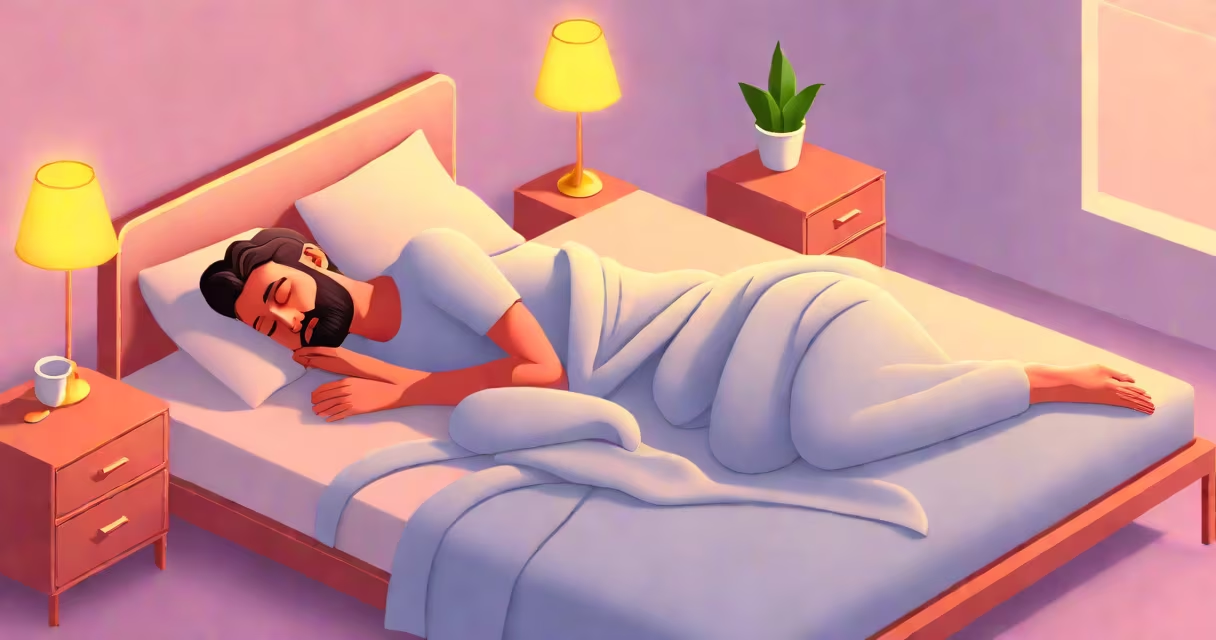
Sleeping more than the recommended 7-9 hours per night may signal an underlying medical condition, mental health issue, or lifestyle imbalance. Excessive sleep, known clinically as hypersomnia, affects approximately 1 in 50 people and can interfere with daily functioning.
Hypersomnia is not simply feeling tired after poor sleep. It involves persistent daytime drowsiness despite adequate or extended nighttime sleep. The American Academy of Sleep Medicine defines it as sleeping more than 9 hours regularly and still feeling unrefreshed. This pattern often leads to reduced productivity, memory lapses, and mood disturbances.
Common triggers include sleep apnea, depression, hypothyroidism, neurological disorders, and certain medications. For example, untreated obstructive sleep apnea causes frequent breathing interruptions during sleep, leading to fragmented rest and excessive daytime sleepiness. A 2021 study in *Sleep* journal found that 60% of patients with severe sleep apnea reported sleeping over 10 hours nightly.
Chronic oversleeping disrupts circadian rhythms, which regulate hormone release, metabolism, and cognitive function. Research shows that consistently sleeping more than 9 hours increases the risk of type 2 diabetes by 30%, according to a 2020 analysis in *The Lancet Public Health*. Prolonged sleep duration correlates with higher insulin resistance and altered glucose processing.
Cognitive performance declines with excessive sleep. A 2019 study published in *Neurology* tracked 10,000 adults over 10 years and found that those who slept 10+ hours nightly had a 34% greater risk of developing mild cognitive impairment compared to those sleeping 7-8 hours. Brain imaging revealed reduced gray matter volume in regions responsible for attention and executive control.
Emotional regulation is also impacted. Persistent fatigue can mimic symptoms of clinical depression. The National Institute of Mental Health notes that 70% of individuals diagnosed with major depressive disorder report sleeping more than 9 hours per night. However, treating the depression often resolves the sleep pattern, highlighting the bidirectional relationship between mood and sleep.
Excessive sleep isn't a single condition. It falls into categories based on cause and presentation:
| Type | Definition | Common Triggers | Prevalence |
|---|---|---|---|
| Primary Hypersomnia | Chronic excessive sleep without known cause | Genetic predisposition, brain chemistry imbalances | ~1 in 500 |
| Secondary Hypersomnia | Result of another medical or psychiatric condition | Depression, hypothyroidism, sleep apnea, medication side effects | Higher in clinical populations |
| Idiopathic Hypersomnia | Unexplained long sleep episodes lasting hours | Unknown, possibly autoimmune or neurochemical | Rare, underdiagnosed |
One non-obvious distinction: not all fatigue stems from lack of sleep. Some people feel exhausted after sleeping because their sleep quality is poor. For instance, restless leg syndrome or periodic limb movements during sleep can fragment sleep cycles without waking the person. These disruptions prevent deep, restorative stages of sleep, leading to fatigue despite long durations.
I once observed a patient who slept 12 hours nightly yet felt drained. Polysomnography revealed 300 leg movements per hour during sleep. After treatment with gabapentin, his sleep efficiency improved, and he needed only 8 hours to feel rested. This case illustrates that sleep quantity doesn't equal sleep quality.
Many assume oversleeping is harmless or just a sign of laziness. That's incorrect. Persistent excessive sleep is a red flag for serious health concerns. The Mayo Clinic warns that sudden changes in sleep patterns-especially increased duration-should prompt evaluation, particularly if accompanied by weight gain, low energy, or difficulty concentrating.
A common confusion is equating sleepiness with depression. While both involve fatigue, depression includes anhedonia (loss of pleasure), low self-worth, and changes in appetite. Oversleeping alone doesn't confirm depression. But when combined with mood changes, it increases diagnostic likelihood. The DSM-5 lists hypersomnia as a criterion for major depressive episodes, especially in atypical depression.
Another misconception: oversleeping is rare. In reality, 10-15% of adults report sleeping more than 9 hours weekly. A 2022 CDC survey found that 1 in 7 adults aged 18-65 slept 10 or more hours most nights, with higher rates among women and those with chronic pain.
If you consistently sleep more than 9 hours and still feel unrefreshed, consult a healthcare provider. Begin with tracking your sleep using a log: record bedtime, wake time, naps, and daytime energy levels for 14 days. This data helps identify patterns and supports diagnosis.
Initial evaluation may include blood tests for thyroid function, vitamin D, and B12 levels. If abnormalities are found, correcting deficiencies can restore normal sleep patterns. For example, a 2021 case study in *Endocrine Practice* described a woman whose 12-hour sleep duration normalized after treating subclinical hypothyroidism.
For suspected sleep disorders, a sleep study (polysomnography) is recommended. This test monitors brain waves, eye movement, heart rate, and breathing during sleep. It can detect apnea, narcolepsy, or parasomnias.
Sleeping a lot isn't just about needing more rest-it's a potential signal of imbalance. Recognizing the difference between normal variation and pathological sleep is essential for early intervention.