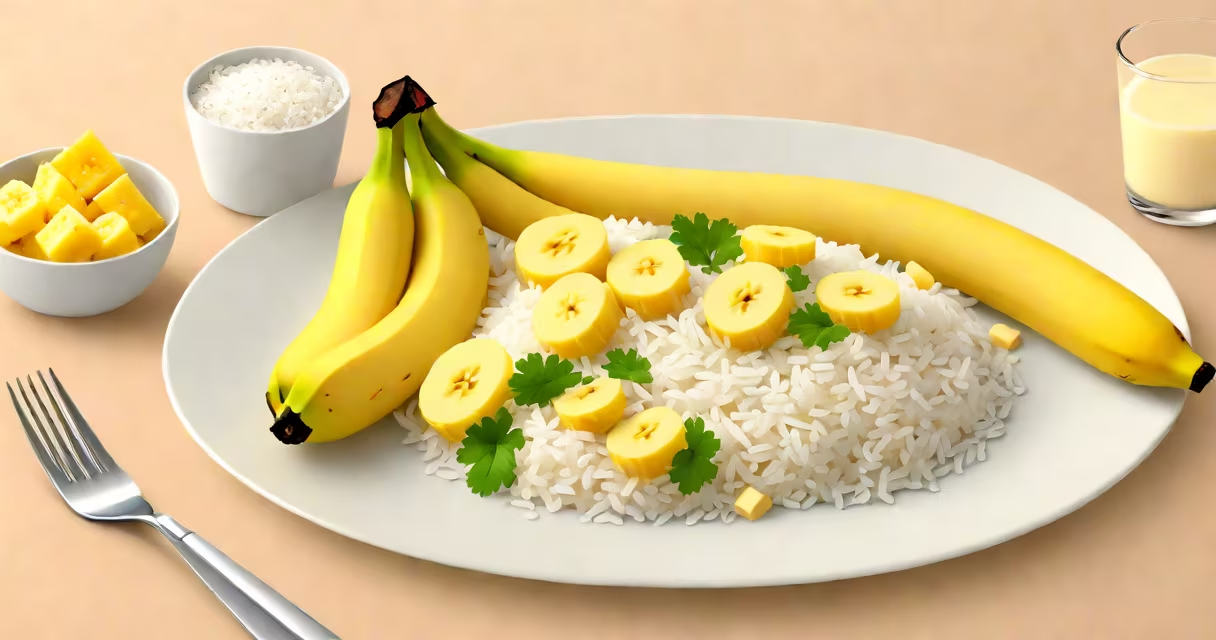
When you have a stomach ache, eating bland, low-fiber, low-fat foods helps ease discomfort and supports gut recovery. Focus on items like plain rice, bananas, toast, and boiled potatoes-foods clinically shown to reduce irritation and restore digestive balance.
Stomach aches stem from inflammation, infection, food sensitivities, or stress. During acute episodes, the gut lining becomes sensitive. Eating irritating foods-spicy, fatty, or high-fiber items-can worsen cramping, bloating, or nausea. The goal is to feed the gut gently while minimizing acid production and motility.
Doctors recommend the BRAT diet (bananas, rice, applesauce, toast) for mild gastrointestinal distress. This protocol originated in pediatric care and remains validated by the American Academy of Pediatrics. It's not a cure, but a way to stabilize digestion during short-term upset.
Bananas are rich in potassium and pectin, a soluble fiber that firms stools and reduces diarrhea. A 2016 study in the journal Nutrition Research found that pectin reduced intestinal transit time in patients with acute gastroenteritis. Bananas also contain natural antacids that soothe gastric lining irritation.
Plain white rice contains easily digestible starches that form a protective layer over the stomach lining. Unlike whole grains, white rice lacks insoluble fiber that can ferment and cause gas. A 2018 review in Frontiers in Nutrition confirmed that low-residue diets-including white rice-improve symptom control in irritable bowel syndrome (IBS) and post-infectious diarrhea.
Toast made from white bread provides simple carbohydrates with minimal fat. Fat slows gastric emptying and increases acid secretion. Toast offers energy without triggering reflux or bloating. Adding butter or jam adds fat and sugar-both irritants during an episode.
The following foods are effective during mild to moderate stomach pain due to their low acidity, low fiber, and low fat content:
| Foods | Why It Helps | Portion Size |
|---|---|---|
| White rice (boiled) | Low residue, binds loose stool, coats mucosa | ½ cup cooked |
| Banana (ripe) | Pectin reduces diarrhea; potassium replaces lost electrolytes | 1 medium |
| Plain toast (white bread) | Simple carbs; no fat or fiber to irritate | 1 slice |
| Boiled potato (skin removed) | Starch absorbs excess fluid; low fiber | ½ medium |
| Applesauce (unsweetened) | Soft texture; pectin aids digestion | ¼ cup |
These foods are not meant to be eaten long-term. Once symptoms subside, gradually reintroduce vegetables, lean proteins, and whole grains. Rushing back to regular meals risks rebound symptoms.
High-fat foods increase gastric acid and slow digestion. Fried items, cheese, and processed meats trigger spasms and heartburn. Spicy foods-especially chili peppers-activate TRPV1 receptors in the gut, causing burning sensations and increased motility.
High-fiber foods like raw vegetables, beans, and bran can ferment in the colon, producing gas and bloating. Carbonated drinks introduce air into the stomach, worsening distension. Alcohol and caffeine stimulate acid secretion and dehydrate the gut lining.
A 2020 study in Gastroenterology & Hepatology found that 68% of participants with functional dyspepsia reported worsening symptoms after consuming coffee or spicy meals. Avoiding these triggers during an episode is critical for recovery.
Many people assume that "eating something" always helps a stomach ache. But eating too soon-before the gut has time to rest-can prolong discomfort. The stomach needs a pause to heal. Waiting 30 minutes after pain begins before eating allows acid levels to normalize.
Another misconception is that all soups are safe. Clear broth-based soups are okay, but creamy or tomato-based varieties contain acids and fats that irritate the lining. Tomato sauce, for example, has citric and malic acid-both known to trigger reflux and gastritis.
I once experienced a severe stomach ache after eating a large bowl of creamy mushroom soup. The fat content delayed gastric emptying, and the acidity irritated my already inflamed mucosa. After switching to plain rice and banana, symptoms improved within two hours. That experience taught me that comfort food isn't always stomach-friendly.
If stomach pain lasts longer than 48 hours, is accompanied by fever, blood in stool, or persistent vomiting, seek medical evaluation. These signs may indicate infection, inflammatory bowel disease, or obstruction.
After a late-night meal of pizza and soda, Sarah woke with cramps and nausea. She followed this plan:
Her symptoms resolved within 6 hours. She avoided dairy, fried foods, and alcohol for the next 24 hours. This approach aligns with guidelines from the Mayo Clinic and the National Institute of Diabetes and Digestive and Kidney Diseases.
When you have stomach ache, focus on foods that are gentle, low in fat, and low in fiber. Stick to the basics: rice, bananas, toast, boiled potatoes, and unsweetened applesauce. These choices support healing without adding strain.