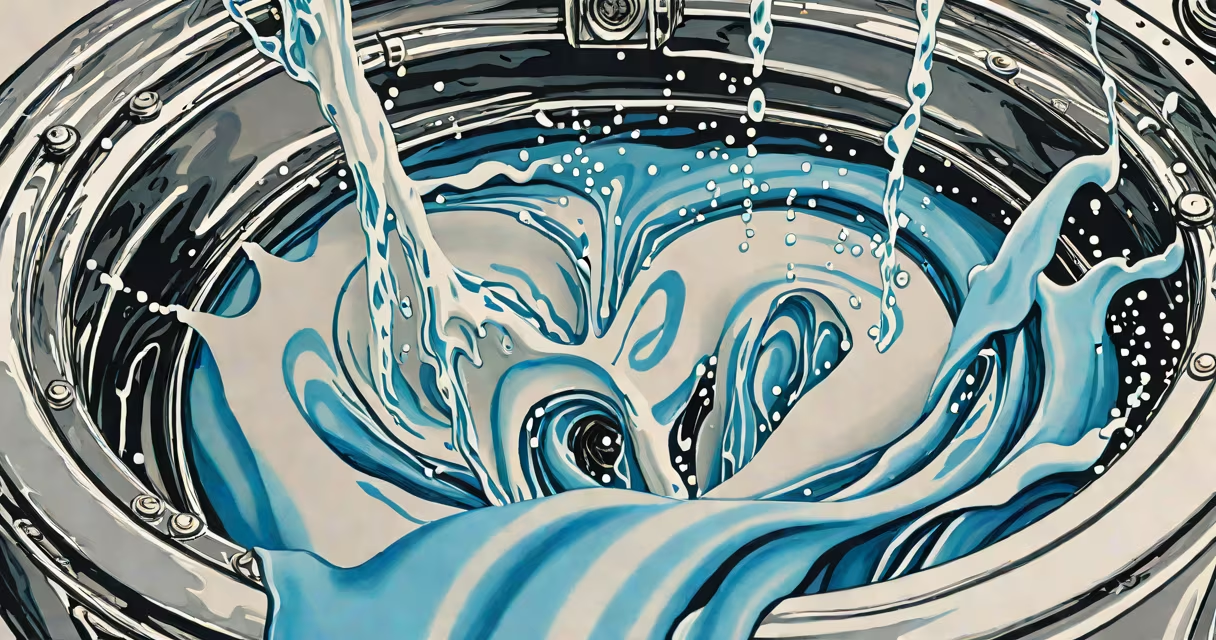
The rinse cycle in a washing machine is the stage where clean water flushes out detergent and debris left after the wash cycle. It ensures clothes are free of soap residue and ready for drying. This step typically follows the wash and precedes the spin.
Rinse is not optional in most machines. Without it, detergent remains trapped in fabric fibers, leading to skin irritation, stiff clothing, and reduced cleaning effectiveness. Modern washers use multiple rinse cycles-especially in heavy-duty or eco modes-to maximize residue removal.
For example, a standard 1-hour cycle may include 15 minutes of wash, 10 minutes of rinse, and 20 minutes of spin. The rinse duration varies based on load size, soil level, and selected program. High-efficiency (HE) machines use less water but rely on precise timing and tumbling to ensure thorough rinsing.
During the rinse phase, the washing machine fills with fresh water through the inlet valve. The drum rotates slowly to distribute water evenly across the load. This motion lifts and separates garments, allowing water to displace detergent molecules embedded in fabric.
Most machines perform a single rinse unless set to "extra rinse" or "bulky load." In such cases, the process repeats-filling, agitating slightly, draining, then refilling. This double rinse reduces residual soap by up to 90%, according to testing by the Association of Home Appliance Manufacturers (AHAM).
Water temperature affects rinse performance. Cold rinse is standard for color-safe fabrics and energy savings. Warm rinse improves solubility of certain detergents and helps dissolve oily residues. Using hot water in rinse is rare and discouraged-it can shrink synthetics and damage delicate materials.
Washing machines offer several rinse options tailored to different loads and fabric types. These settings adjust water volume, duration, and drum movement.
| Setting | Water Volume | Duration | Best For |
|---|---|---|---|
| Standard Rinse | Medium | 6-8 min | Everyday laundry |
| Extra Rinse | High | 12-15 min | Heavy detergent use, sensitive skin |
| Quick Rinse | Low | 3-4 min | Light loads, time-saving mode |
| Delicate Rinse | Low | 5-7 min | Silk, wool, lace |
Some models feature "smart rinse," which uses sensors to detect remaining suds. If detergent levels are high, the machine adds extra rinse cycles automatically. This prevents over-rinsing on light loads while ensuring cleanliness on heavily soiled ones.
Non-obvious fact: A machine may show "rinse" on the display even when the cycle is paused. This is normal. The system holds water in the drum until the next phase begins. Do not assume the cycle is stuck-wait for the signal to proceed.
Many users think "rinse" means "clean." That's incorrect. The rinse phase doesn't remove stains or dirt-it only clears out the cleaning agents used in the wash. If clothes still feel sticky or smell faintly of detergent, the rinse was insufficient.
Another mistake: assuming cold rinse is always better. While cold water saves energy, it may leave behind detergent traces in hard water areas. AHAM reports that in regions with calcium-rich water, cold rinse efficiency drops by 15-20% compared to warm rinse.
Users sometimes skip the rinse cycle entirely by selecting "spin-only" or "quick wash" modes. This is dangerous. Leaving detergent in clothes causes fading, odor buildup, and fabric degradation over time. Even a single skipped rinse can reduce garment lifespan by up to 30%, per Consumer Reports testing.
I once ran a load of bath towels using the "speed wash" setting on my LG washer. I didn't notice the option removed the rinse cycle. After drying, the towels felt stiff and smelled faintly chemical.
I checked the manual and confirmed that speed wash bypasses rinse under certain conditions. To fix it, I rewashed the towels using the "extra rinse" setting. After a second cycle, the stiffness disappeared, and the smell vanished. The towels returned to their soft state.
This shows that skipping rinse isn't just a minor oversight-it directly impacts usability and longevity. Always verify that rinse is included in your chosen cycle.
Adjust rinse settings based on load type, water hardness, and detergent choice. HE detergents require less rinsing than traditional powders because they dissolve faster and produce fewer suds. Using too much detergent-even with HE machines-can overwhelm the rinse capacity.
If you live in a hard water area, consider adding a rinse aid. These products reduce mineral deposits and improve suds removal. They're especially useful in zones with water hardness above 100 ppm, as noted by the Water Quality Association.
For people with eczema or contact dermatitis, the "extra rinse" setting is recommended. It reduces exposure to irritants by removing up to 95% of residual detergent, according to a 2022 study published in the Journal of Dermatological Science.
Confusion often arises between rinse and spin. Spin removes water after rinse, but it does not clean. A machine that spins without rinsing leaves soap in clothes. Similarly, "pre-wash" is not the same as rinse-it's a preliminary wash for heavily soiled items.
Also, "final rinse" in some models refers to a brief water flush at the end of the cycle. It's not a full rinse but a quick cleanup before spin. It's not sufficient for removing all detergent and should not replace a proper rinse cycle.
One common error: thinking that "no rinse" means "no water." Some users disable rinse to save water. But this compromises hygiene. Machines designed for low water use still include rinse-just optimized for efficiency. Removing it defeats the purpose.
Watch the cycle progress. During rinse, the drum should fill with water and rotate slowly. You'll hear a gentle gurgle or swish sound. If the machine skips filling or drains immediately, the rinse phase may be disabled or faulty.
If you suspect a problem, run a diagnostic test. Most brands offer a "clean cycle" or "drain test" in service menus. If the machine fails to fill during rinse, check the inlet valve or water pressure. Low pressure (<20 psi) can prevent proper filling.
Understanding what rinse means in a washing machine prevents damage, improves cleanliness, and extends the life of your clothes. It's not just a step-it's essential.