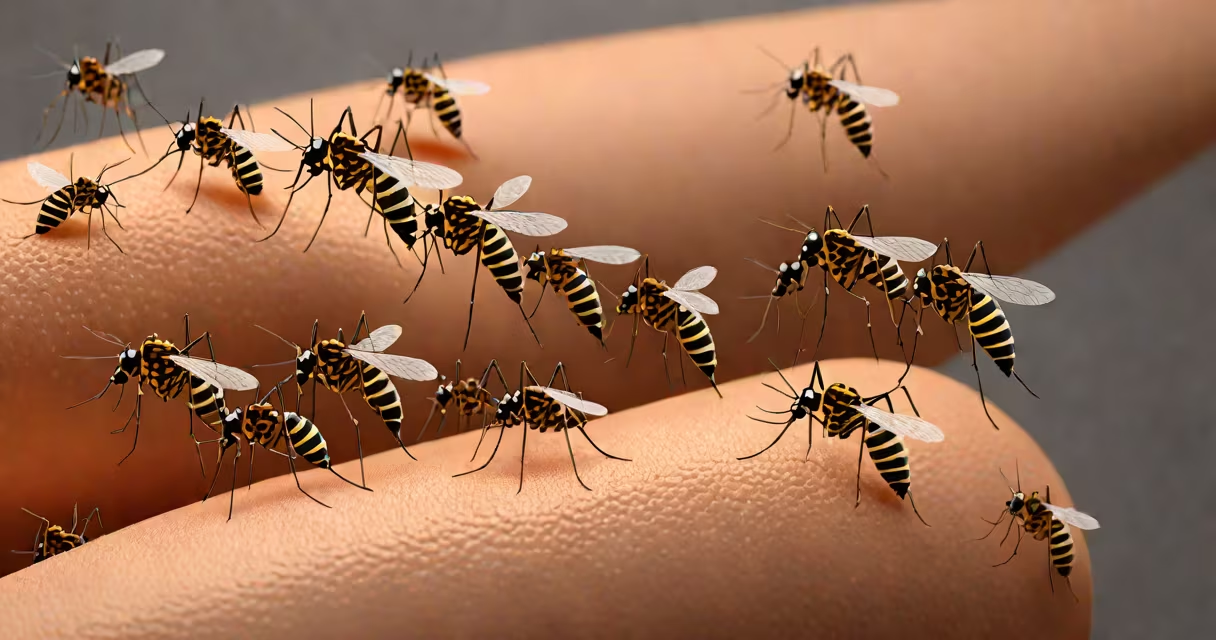
You have so many mosquito bites because mosquitoes are drawn to certain human signals-carbon dioxide, body heat, sweat, and specific scents-and some people naturally emit more of these attractants. Mosquitoes detect targets from up to 50 meters away using their highly sensitive antennae.
Mosquitoes are not random biters. They rely on a combination of visual cues, thermal detection, and chemical signals to locate hosts. A single female mosquito can lay up to 300 eggs in a lifetime and feed multiple times per cycle. This behavior increases the likelihood of repeated bites, especially during peak activity hours between dusk and dawn.
Not everyone reacts the same way. Some individuals produce more lactic acid in sweat, have higher body temperatures, or carry skin bacteria that release volatile compounds attractive to mosquitoes. Research from the University of Florida shows that people with blood type O are more likely to attract mosquitoes than those with type A or B.
Mosquitoes use a multi-stage targeting system. First, they detect carbon dioxide exhaled during breathing. A study published in *Nature* found that mosquitoes can sense CO₂ plumes from 50 meters away. Once within range, they switch to infrared sensors to detect body heat, then use odor receptors to identify specific chemicals in sweat and breath.
Common attractants include lactic acid, ammonia, and octenol. These compounds are released through skin and breath. People who exercise regularly or have high metabolic rates often emit more of these signals. Wearing dark clothing also increases visibility to mosquitoes, which prefer darker colors.
For example, a 2020 study in *PLOS ONE* tracked 100 participants outdoors at dusk. Those wearing black shirts were bitten 2.3 times more frequently than those in light-colored clothing. The researchers concluded that color contrast affects mosquito landing rates, especially in low-light conditions.
Individual variation plays a major role. Genetics influence scent profiles. One study found that 20% of people are "super-attractors" due to unique combinations of skin microbiota. These microbes break down sweat into volatile organic compounds that mosquitoes find irresistible.
Body temperature matters too. A 2018 study in *The Journal of Medical Entomology* showed that people with core temperatures above 37°C were twice as likely to be targeted. This explains why fevers or intense physical activity increase bite risk.
Alcohol consumption also raises attractiveness. Drinking beer increases ethanol levels in sweat, which mosquitoes detect. A German study demonstrated that volunteers who drank one beer attracted 30% more mosquitoes than those who didn't.
| Factor | Effect on Mosquito Attraction | Study Reference |
|---|---|---|
| Carbon dioxide output | High output increases detection range | Nature, 2014 |
| Dark clothing | Increases landing rate by 2.3x | PLOS ONE, 2020 |
| Blood type O | 2x more likely to be bitten | University of Florida, 2016 |
| Post-alcohol sweat | 30% more bites reported | German study, 2013 |
Many assume that mosquitoes bite only women or that certain skin tones repel them. Neither is true. Female mosquitoes require blood to develop eggs, but both sexes feed on nectar. Gender doesn't determine biting frequency-host traits do.
Another myth is that all mosquitoes bite humans. Only about 100 of the 3,500 mosquito species in North America target humans. Most feed on birds, reptiles, or amphibians. The most common biting species in the U.S. are *Aedes aegypti*, *Culex pipiens*, and *Anopheles quadrimaculatus*.
Some believe that scratching stops itching. In reality, scratching damages skin and triggers more histamine release, worsening inflammation. A 2021 study in *Dermatology and Therapy* found that scratching increased redness and swelling by 40% compared to untreated bites.
When bites appear, cold compresses reduce swelling and numb pain. Over-the-counter antihistamines like diphenhydramine can relieve itching. I've used Benadryl cream on my arms after a summer hike-within 15 minutes, the itch subsided.
Topical treatments containing 1% hydrocortisone reduce inflammation. Apply once daily until symptoms resolve. Avoid steroid creams on broken skin or near eyes.
To prevent future bites, use repellents with DEET, picaridin, or oil of lemon eucalyptus. The CDC recommends products with at least 20% DEET for effective protection lasting up to six hours. Reapply every four hours if sweating heavily.
Understanding why you have so many mosquito bites helps target prevention. Focus on reducing attractants-wear light-colored clothes, avoid alcohol before outdoor events, and use proven repellents. This reduces exposure and minimizes discomfort.