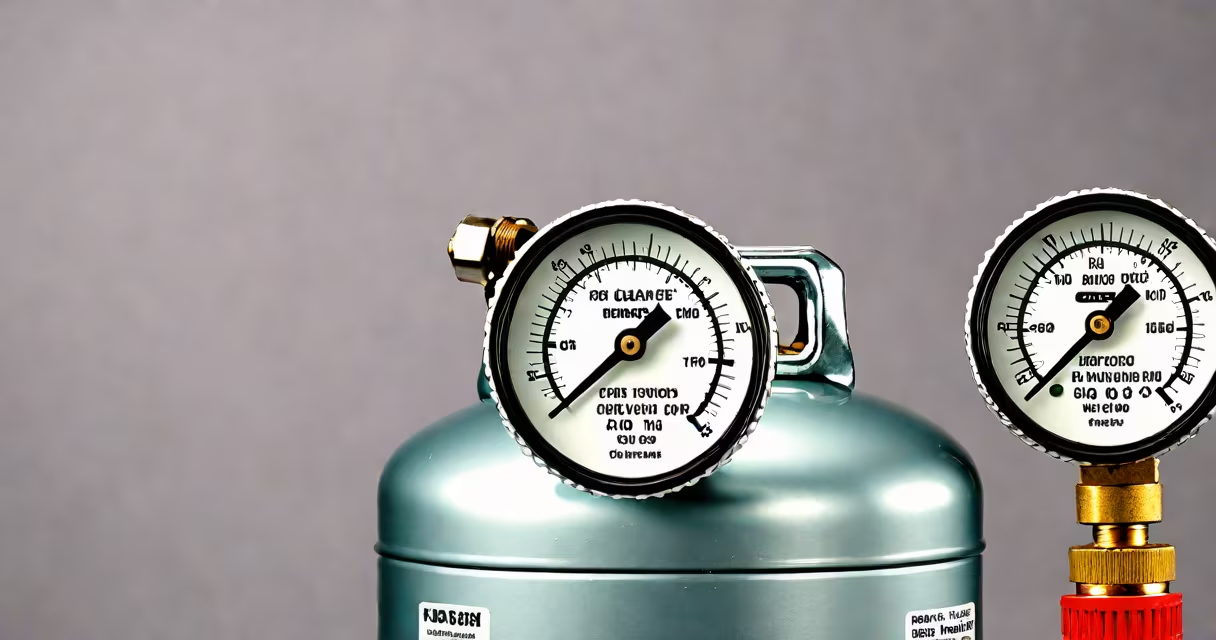
R134a refrigerant is a synthetic hydrofluoroalkane (HFA) used primarily in automotive air conditioning systems and commercial refrigeration. It replaced R12 (Freon) due to lower ozone depletion potential and better thermal performance under modern system conditions.
R134a, chemically known as 1,1,1,2-tetrafluoroethane, operates efficiently in sealed systems requiring low toxicity and moderate flammability. It functions within a temperature range of −40°C to +100°C and is compatible with mineral oil and polyolester (POE) lubricants used in modern compressors.
The refrigerant was mandated in U.S. automotive AC systems starting in 1994 under EPA regulations to phase out ozone-depleting substances. Its adoption reduced stratospheric ozone destruction by approximately 95% compared to R12, according to the U.S. Environmental Protection Agency (EPA).
R134a absorbs heat from the interior of a vehicle or building during evaporation and releases it externally during condensation. This cycle relies on compression, condensation, expansion, and evaporation phases within a closed loop.
In a car's AC system, the compressor pressurizes gaseous R134a, raising its temperature. The hot gas flows into the condenser, where ambient air cools it into a liquid. The liquid passes through an expansion valve, dropping pressure and temperature. As it enters the evaporator coil inside the cabin, it absorbs heat and turns back into vapor, cooling the air blown into the passenger compartment.
A typical automotive AC system holds between 1.1 and 1.6 pounds (0.5-0.7 kg) of R134a. Over time, leaks develop due to vibration, corrosion, or seal degradation. A system losing more than 15% of its charge annually requires leak detection and repair before refilling.
R134a consists of two carbon atoms, four fluorine atoms, and two hydrogen atoms (CF₃CH₂F). It has a molecular weight of 102.03 g/mol and a boiling point of −26.1°C at atmospheric pressure. These values make it effective in medium-temperature applications such as car AC and supermarket freezers.
Unlike R12, which contained chlorine and contributed to ozone layer thinning, R134a contains no chlorine. This reduces its ozone depletion potential (ODP) to zero. However, it has a global warming potential (GWP) of 1,430 over 100 years, meaning one kilogram of R134a traps as much heat as 1,430 kg of CO₂.
According to the Intergovernmental Panel on Climate Change (IPCC), R134a's GWP is higher than newer alternatives like R1234yf, which has a GWP of 4. This difference drives regulatory shifts toward low-GWP refrigerants in new vehicles.
| Property | R134a | R12 (Freon) | R1234yf |
|---|---|---|---|
| Ozone Depletion Potential (ODP) | 0 | 0.01 | 0 |
| Global Warming Potential (GWP) | 1,430 | 10,900 | 4 |
| Flammability | Low (A2L class) | Non-flammable | Very low (A2L) |
| Common Use | Auto AC, HVAC | Older auto AC, refrigerators | New vehicles, industrial chillers |
R134a remains standard in most vehicles manufactured before 2015 and in many commercial refrigeration units. It is widely used in supermarkets, cold storage warehouses, and residential HVAC systems due to its stability and compatibility with existing components.
Automotive manufacturers adopted R134a because it works well with POE oils, which offer better lubrication and heat transfer than older mineral oils. This combination improves compressor efficiency and extends service life.
For example, a 2010 Honda Accord AC system uses R134a with a 1.3-pound charge. A technician diagnosed a loss of cooling and found a small leak at the hose-to-compressor fitting. After replacing the O-ring and evacuating the system, they recharged it with 1.3 pounds of R134a using a calibrated scale. The system returned to normal operation within 15 minutes.
R134a is often mistaken for being safe to handle without protection. In reality, direct contact with liquid R134a can cause frostbite due to rapid evaporation and temperature drop. Exposure to high concentrations in enclosed spaces may displace oxygen and lead to asphyxiation.
Another misconception is that R134a is environmentally benign. While it does not harm the ozone layer, its high GWP makes it a significant contributor to climate change if released into the atmosphere. The EPA requires certified technicians to recover and recycle R134a during repairs to prevent emissions.
R134a cannot be mixed with R12 or R22. Mixing refrigerants causes system failure due to incompatible solubility and pressure characteristics. A single drop of R12 in an R134a system can trigger compressor damage due to oil breakdown.
I once repaired a 2008 Toyota Camry with weak cooling. The system had lost 30% of its charge. Using a manifold gauge set, I confirmed low pressure on both high and low sides. After evacuating the system to 500 microns vacuum, I added R134a slowly while monitoring pressures. The system reached proper operating levels at 1.4 pounds. After running the AC for 10 minutes, cabin temperature dropped from 92°F to 68°F in under 3 minutes.
This repair highlighted the importance of proper evacuation. Without removing air and moisture, the system would have formed ice in the expansion valve, leading to blockage and failure.
Under the U.S. Clean Air Act, R134a is regulated as a hazardous air pollutant when released intentionally. The EPA mandates that only certified technicians handle recovery and recycling. Since 2017, the European Union has banned R134a in new vehicles, replacing it with R1234yf.
Despite this, R134a continues to be used in existing equipment. The EPA estimates that over 90 million vehicles in North America still rely on R134a-based systems. As replacements are phased in, demand for R134a will decline, but it remains a critical component in maintenance and repair operations.
Understanding what is R134a refrigerant involves recognizing its role in cooling technology, its environmental trade-offs, and the strict handling standards required. It is not a universal solution but a transitional refrigerant designed for specific system architectures and regulatory environments.