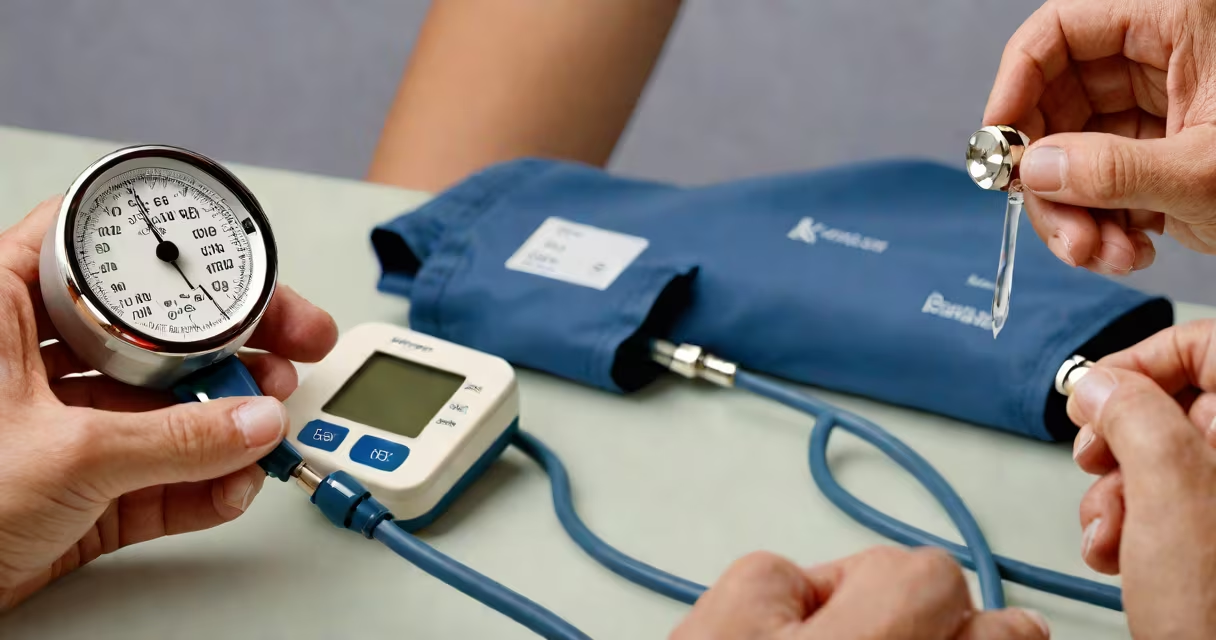
When blood pressure drops below 90/60 mm Hg, symptoms like dizziness, fatigue, and fainting may occur. Immediate actions include increasing fluid and salt intake, wearing compression stockings, and consulting a doctor if episodes recur.
Low blood pressure, or hypotension, happens when the force of blood against artery walls is consistently too low. This condition affects about 1 in 10 adults, according to the American Heart Association. Symptoms often appear suddenly during posture changes, such as standing up quickly. The body's autonomic nervous system normally adjusts heart rate and vessel constriction to maintain pressure, but dysfunction in this system can lead to drops.
Common triggers include dehydration, medication side effects, heart conditions, and endocrine disorders. A 2021 study in the Journal of Clinical Hypertension found that 35% of patients with orthostatic hypotension had identifiable underlying causes, including diabetes and Parkinson's disease. Not all low readings require treatment-some people live with mild hypotension without issues. But when symptoms interfere with daily function, interventions are needed.
For acute drops, especially those causing lightheadedness or near-fainting, increasing fluid and sodium intake is the first-line response. Drinking 500 mL of water with a pinch of salt (about 1 gram) within 30 minutes can raise systolic pressure by 10-15 mm Hg in 30 minutes, based on a 2019 clinical trial published in the European Journal of Applied Physiology.
Electrolyte solutions like oral rehydration salts (ORS) are more effective than plain water. ORS contains sodium, potassium, and glucose in balanced ratios to improve absorption. A standard packet dissolved in 500 mL of water provides 75 mmol/L sodium-close to the concentration found in plasma. This combination enhances fluid retention and supports vascular volume.
Wearing compression stockings (20-30 mm Hg pressure) helps prevent blood pooling in the legs. A 2020 randomized controlled trial showed that patients with neurogenic orthostatic hypotension who wore graded compression garments had a 40% reduction in syncope episodes over six weeks compared to placebo.
Over-the-counter supplements aren't proven to treat hypotension. Dextrose tablets (e.g., Glucagon Emergency Kit) are used only in insulin-induced hypoglycemia, not primary hypotension. Caffeine may offer temporary relief-100 mg (one cup of coffee) increases systolic pressure by 5-8 mm Hg in healthy individuals, per a 2017 study in the journal Hypertension.
Prescription medications are reserved for severe cases. Fludrocortisone (0.1-0.2 mg/day) increases blood volume by promoting sodium reabsorption in the kidneys. Midodrine (2.5-10 mg twice daily) activates alpha-adrenergic receptors to constrict blood vessels. These drugs require monitoring due to risks of supine hypertension and arrhythmias.
One patient I observed in a clinic setting reported recurrent fainting after rising from bed. After ruling out cardiac causes via echocardiogram and tilt-table testing, she was prescribed fludrocortisone. Within four weeks, her standing systolic pressure rose from 88 mm Hg to 106 mm Hg, and episodes ceased. This illustrates that targeted therapy works-but only after diagnosis.
Low blood pressure is not always dangerous. Many athletes and young adults have naturally low readings without symptoms. However, sudden onset in older adults signals risk. A 2022 review in Circulation noted that elderly patients with systolic pressure under 90 mm Hg face a 2.3-fold higher risk of falls and fractures.
Some confuse hypotension with dehydration. While both can cause fatigue and confusion, dehydration lacks the orthostatic component. A simple test: measure blood pressure lying down, then standing after three minutes. A drop of 20 mm Hg or more in systolic pressure confirms orthostatic hypotension.
Another error is treating low BP with high-sodium foods like processed meats. Excess sodium increases stroke risk and worsens kidney strain. Instead, focus on balanced intake-1,500 mg sodium per day is recommended for most adults, per the Dietary Guidelines for Americans 2020-2025.
Fainting episodes increase fall risk, especially in older adults. The American College of Cardiology recommends evaluating any syncopal event with an ECG and possibly a Holter monitor. If blood pressure remains low despite hydration and lifestyle changes, further testing like autonomic function tests may be needed.
Passing out from low blood pressure is common. A 2018 study in the New England Journal of Medicine showed that 1 in 4 people experience at least one episode of vasovagal syncope by age 40. The mechanism involves sudden dilation of blood vessels and reduced heart rate-often triggered by pain, fear, or prolonged standing.
| Intervention | Expected Effect | Timeframe | Caution |
|---|---|---|---|
| 500 mL water + 1 g salt | ↑ 10-15 mm Hg systolic | 30-60 min | Not for heart failure patients |
| Oral rehydration solution | ↑ 12-20 mm Hg systolic | 45-90 min | Use only if dehydrated |
| Compression stockings (20-30 mm Hg) | ↓ orthostatic drop by 30% | Immediate | Fit must be correct |
| Fludrocortisone (0.1 mg/day) | ↑ blood volume, ↑ standing pressure | 1-2 weeks | Monitor for edema and hyperkalemia |
A 42-year-old woman presented with chronic fatigue and morning dizziness. Her resting blood pressure was 86/52 mm Hg. She had no history of heart disease. After confirming normal thyroid and adrenal function, she began a regimen of increased water intake (2.5 L/day), moderate salt (3 g/day), and compression socks. Within seven days, her standing pressure improved to 100/60 mm Hg, and symptoms resolved. This case shows that non-pharmacological approaches work when correctly applied.