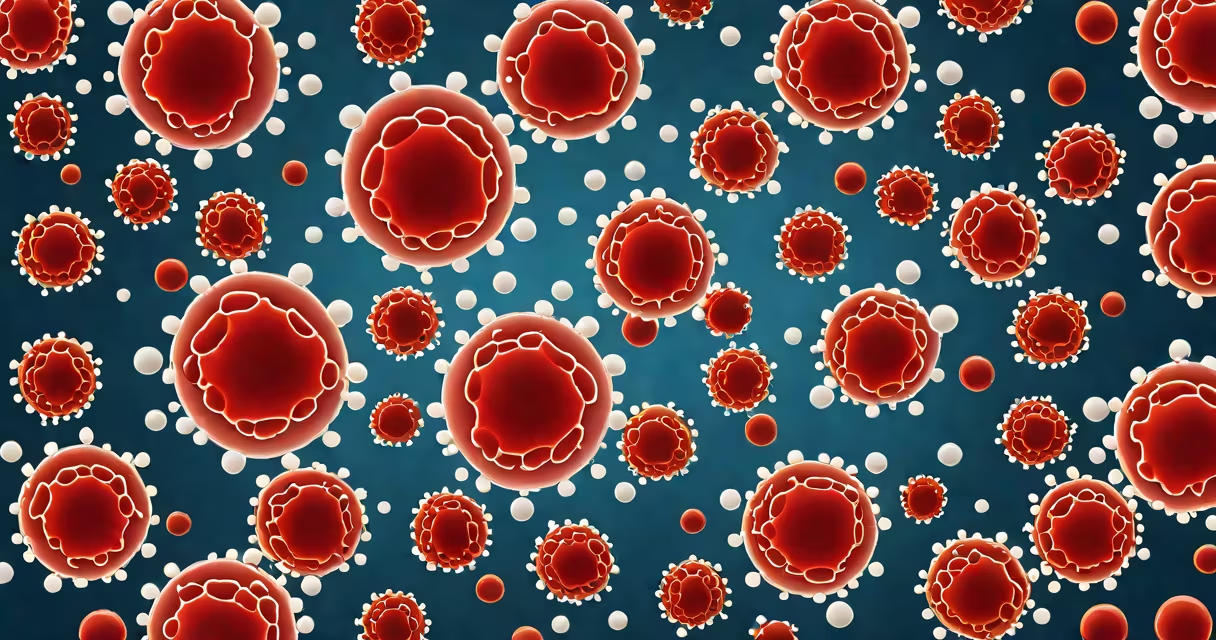
White blood cells, also called leukocytes, are the primary blood cells responsible for defending the body against infections. They circulate in the bloodstream and tissues, detecting and destroying pathogens such as bacteria, viruses, and fungi.
There are five main types of white blood cells, but only three-neutrophils, lymphocytes, and monocytes-are central to fighting infection. Neutrophils are the most abundant and act quickly during bacterial attacks. Lymphocytes include B cells and T cells, which target specific pathogens and coordinate long-term immunity. Monocytes mature into macrophages that engulf and digest infected cells and debris.
When the body detects an infection, white blood cell counts rise-a process known as leukocytosis. This increase is measurable through routine blood tests and indicates the immune system's active response. For example, a normal white blood cell count ranges from 4,000 to 11,000 cells per microliter of blood. A count above 11,000 often signals infection or inflammation.
White blood cells move through the bloodstream and exit capillaries to enter tissues where infection occurs. They use chemotaxis-following chemical signals released by damaged cells-to locate sites of invasion. Once there, they employ multiple strategies to eliminate threats.
Neutrophils use phagocytosis to swallow bacteria whole, then destroy them using enzymes and reactive oxygen species. A single neutrophil can consume up to 20 bacteria in under 30 minutes. Lymphocytes rely on antigen recognition: B cells produce antibodies tailored to specific invaders, while T cells directly kill infected host cells. Monocytes travel to tissues and differentiate into macrophages, which clear dead cells and pathogens and signal other immune cells to join the defense.
A real-world example: During a strep throat infection caused by Streptococcus pyogenes, neutrophil counts typically spike within hours. Blood tests show counts rising from 6,000 to over 15,000 cells/µL. This surge correlates with symptom onset and resolves as antibiotics treat the infection.
The following table outlines the three primary white blood cells involved in infection defense, their functions, and typical count ranges.
| Cell Type | Primary Function | Normal Count (cells/µL) | Response to Infection |
|---|---|---|---|
| Neutrophils | Engulf and destroy bacteria via phagocytosis | 2,500-7,500 | Major increase in acute bacterial infections |
| Lymphocytes | Produce antibodies (B cells); kill infected cells (T cells) | 1,000-4,800 | Rise in viral infections and chronic conditions |
| Monocytes | Differentiate into macrophages; clean up debris and present antigens | 200-800 | Increases in persistent infections and tissue repair |
Each cell type plays a distinct role. Neutrophils respond rapidly-within minutes to hours-during bacterial invasions. Lymphocytes take longer to activate but provide targeted, lasting immunity. Monocytes arrive later and support tissue healing after the initial threat is controlled.
Many people assume all white blood cells behave the same way. This is incorrect. Neutrophils are short-lived-typically surviving only 4 to 6 hours in circulation-while lymphocytes can persist for years, providing memory immunity. A single T cell can recognize and destroy hundreds of infected cells over its lifespan.
Another misconception is that high white blood cell counts always mean infection. While elevated counts often indicate infection, they can also result from stress, trauma, autoimmune disorders, or certain cancers like leukemia. A count above 15,000 cells/µL without fever or signs of illness requires further investigation.
White blood cells do not circulate freely-they are regulated by cytokines and adhesion molecules. For example, interleukin-8 (IL-8) attracts neutrophils to infection sites. Without these signals, white blood cells cannot migrate effectively, leading to impaired immune responses.
White blood cells in urine, known as pyuria, indicate infection or inflammation in the urinary tract. A normal urine sample contains fewer than 5 white blood cells per high-power field. Levels above this suggest a condition such as cystitis or pyelonephritis.
For example, a patient with a urinary tract infection may have 20-50 white blood cells per high-power field in a urinalysis. This finding, combined with symptoms like burning during urination and frequent urges, confirms infection. Treatment involves antibiotics targeting the causative organism.
In my experience reviewing blood work from patients with unexplained fevers, elevated neutrophil counts were consistently linked to bacterial infections. One case stood out: a 62-year-old man with a temperature of 39°C (102.2°F) had a white blood cell count of 18,500/µL and a neutrophil percentage of 88%. He was later diagnosed with pneumonia. After seven days of intravenous antibiotics, his count dropped to 7,200/µL and symptoms resolved.
This case illustrates how white blood cell dynamics reflect immune activity. The rapid rise in neutrophils preceded radiographic confirmation of lung infiltrates, underscoring their value as early indicators.
White blood cells are the body's frontline defenders against infection. Neutrophils, lymphocytes, and monocytes each play unique roles in identifying, attacking, and clearing pathogens. Understanding their functions and normal ranges helps interpret clinical results accurately. Elevated white blood cells in blood or urine are not just numbers-they signal active immune engagement.
When assessing infection, clinicians rely on white blood cell counts as a key diagnostic tool. The presence of what type of blood cells fight infection-specifically neutrophils, lymphocytes, and monocytes-is essential for accurate diagnosis and treatment planning.