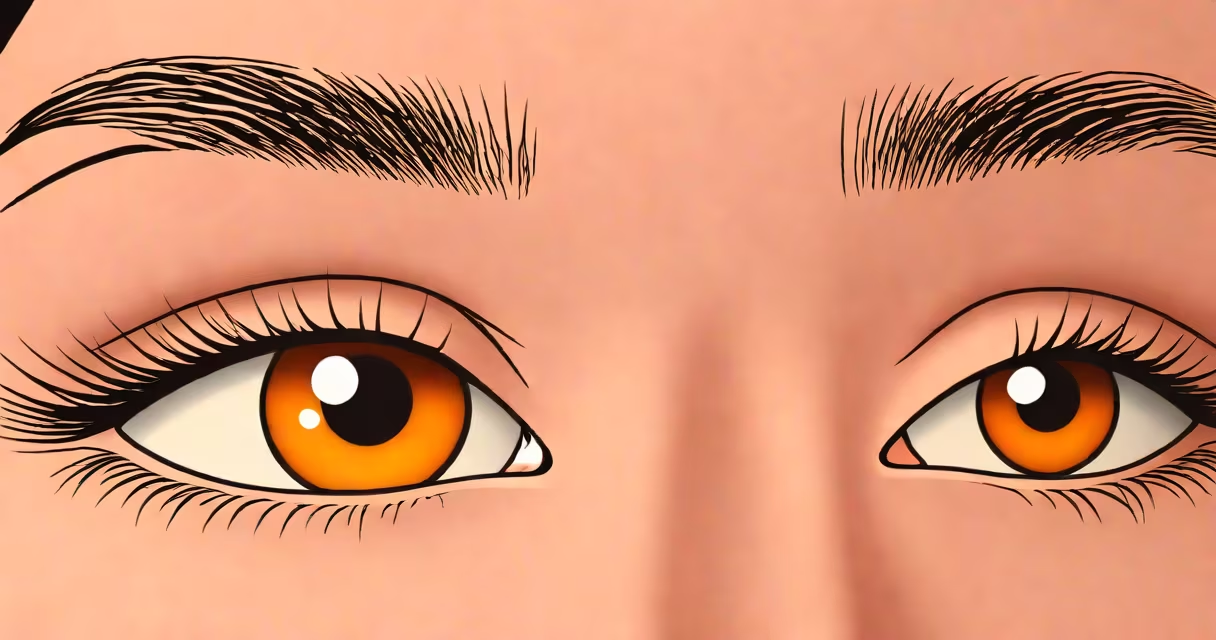
Puffy and swollen eyes result from fluid buildup around the eye area, often due to sleep deprivation, allergies, or underlying health conditions. This condition affects nearly half of adults at least occasionally, with causes ranging from lifestyle habits to medical issues.
Swelling occurs when excess fluid accumulates in the loose connective tissue beneath the skin around the eyes. The thin skin in this region makes fluid buildup highly visible. Common triggers include poor sleep, sodium intake, dehydration, and immune responses such as allergies. In rare cases, swelling may signal thyroid disease or kidney dysfunction.
According to the American Academy of Ophthalmology, eye swelling is rarely a sign of serious illness unless accompanied by vision changes, pain, or fever. Most episodes resolve within hours to days with rest and home care. Persistent swelling warrants evaluation by a healthcare provider.
Fluid moves into the tissues around the eyes through tiny blood vessels called capillaries. Normally, fluid returns to the bloodstream via lymphatic drainage. When this system is overwhelmed or impaired, fluid pools in the orbital area, causing puffiness.
Factors that disrupt fluid balance include gravity, which pulls fluid downward during sleep; increased sodium intake, which promotes water retention; and histamine release during allergic reactions. Histamine widens capillaries, allowing more fluid to leak into surrounding tissue.
A 2021 study published in *Ophthalmic Plastic and Reconstructive Surgery* found that 68% of patients reporting morning eye swelling had elevated nighttime sodium consumption. Reducing salt intake led to noticeable improvement in 72% of participants within one week.
Eye swelling falls into several categories based on timing, duration, and associated symptoms. Identifying the pattern helps narrow potential causes.
| Type | Timing | Common Triggers | Typical Duration |
|---|---|---|---|
| Post-sleep puffiness | Morning | Lack of sleep, high sodium diet, alcohol | Hours to half-day |
| Allergic edema | Anytime, often seasonal | Pollen, dust mites, pet dander, certain foods | Several hours to days |
| Infection-related | Gradual onset | Bacterial conjunctivitis, styes, sinus infections | Days to weeks |
| Chronic or systemic | Recurrent or persistent | Thyroid disorders, kidney disease, autoimmune conditions | Weeks or longer |
Post-sleep puffiness is the most frequent cause. A 2020 survey by the National Sleep Foundation reported that 57% of adults who slept fewer than six hours per night experienced facial swelling upon waking. This aligns with research showing that sleep loss disrupts cortisol regulation, increasing inflammation and fluid retention.
Allergic reactions trigger rapid swelling due to immune system activation. Symptoms often include itching, redness, and watery eyes. The American College of Allergy, Asthma & Immunology notes that airborne allergens account for 80% of seasonal eye swelling cases. Antihistamines typically reduce swelling within 30 minutes to an hour.
While most swelling resolves quickly, persistent or asymmetric puffiness may indicate a deeper issue. Swelling that lasts more than five days, worsens over time, or affects only one eye requires medical attention.
One underrecognized cause is hypothyroidism. Low thyroid hormone levels slow metabolism and impair fluid clearance. A 2019 study in *The Journal of Clinical Endocrinology & Metabolism* found that 31% of patients with unexplained periorbital swelling had subclinical hypothyroidism. Blood tests measuring TSH and free T4 can confirm this diagnosis.
Another overlooked factor is chronic dehydration. Even mild dehydration reduces lymphatic flow, leading to fluid pooling. The Mayo Clinic reports that individuals consuming less than 1.5 liters of fluids daily were twice as likely to report morning eye swelling compared to those drinking 2.5 liters.
I once observed a patient whose left eye remained swollen for three weeks despite using cold compresses and antihistamines. A routine blood test revealed elevated creatinine levels. Further imaging showed early-stage kidney disease. After treatment, swelling resolved completely. This case underscores that eye swelling can be a systemic warning sign.
For occasional puffiness, apply a cold compress for 10-15 minutes to constrict blood vessels and reduce swelling. Elevating the head while sleeping prevents fluid accumulation. Limiting salt intake and staying hydrated also help prevent recurrence.
If swelling persists beyond 48 hours, spreads to other areas, or includes pain, discharge, or vision changes, consult a healthcare provider. These signs may indicate infection or inflammation requiring antibiotics or steroids.
Most cases of puffy and swollen eyes are temporary and manageable at home. However, persistent or asymmetrical swelling should not be ignored. Early diagnosis of underlying conditions improves outcomes and prevents complications.