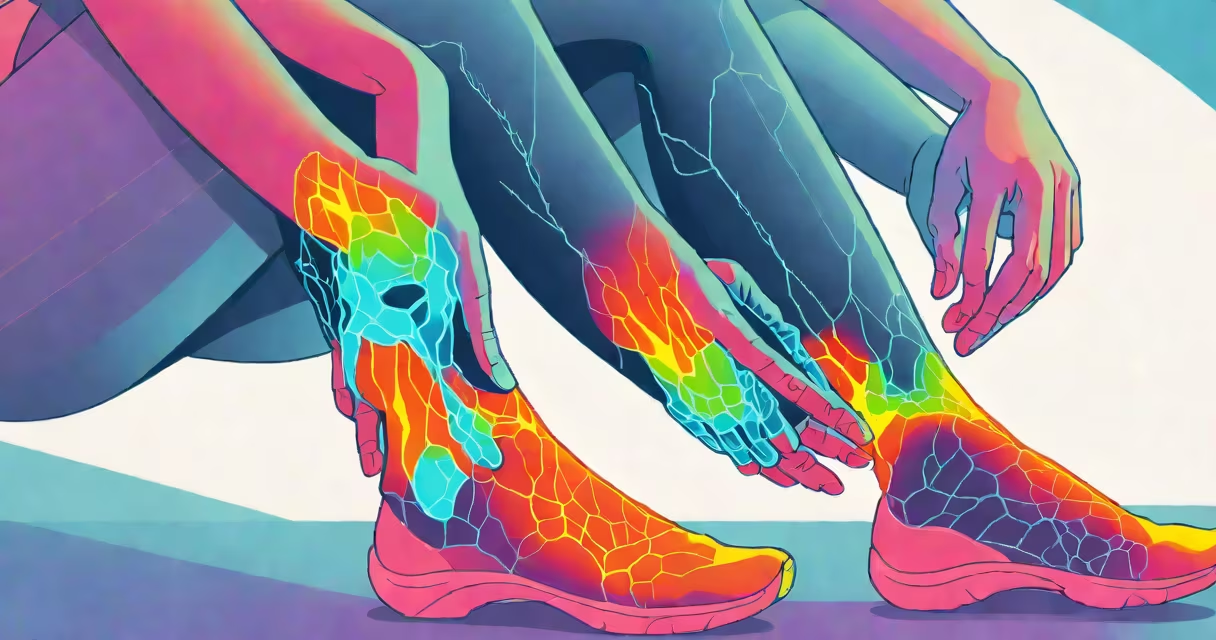
Knee pain in cold weather occurs when low temperatures reduce blood flow to joints, increase stiffness in connective tissues, and heighten sensitivity in nerve endings around the knee. This effect is especially noticeable in people with osteoarthritis, rheumatoid arthritis, or prior joint injuries.
Cold exposure triggers vasoconstriction-the narrowing of blood vessels-which reduces circulation to peripheral areas like the knees. With less warm blood reaching the joint, tissues cool faster, leading to stiffness and discomfort. This is not just subjective; MRI studies show measurable increases in joint fluid viscosity at lower temperatures, which restricts movement and amplifies pain signals.
The sensation often begins within minutes of entering a cold environment. For example, someone with early-stage osteoarthritis may feel their knees tighten after stepping out of a warm car into a 35°F (2°C) morning. The pain typically eases when they move or return indoors, but persistent cold exposure can prolong symptoms.
When ambient temperature drops, the body prioritizes core warmth over extremity function. Blood vessels near the skin and joints constrict to conserve heat. This reduces oxygen delivery and nutrient supply to cartilage and synovial fluid, impairing joint lubrication and shock absorption.
A 2021 study published in Arthritis & Rheumatology found that patients with knee osteoarthritis reported 34% higher pain scores during winter months compared to summer, even after adjusting for activity levels. Researchers attributed this to both physiological changes and behavioral shifts-like reduced physical activity in cold weather-that further stiffen joints.
Cold air can alter the way nerves transmit pain signals. Nociceptors-pain-sensing neurons-become more sensitive in low temperatures. This means the same mechanical stress on the knee (e.g., walking downhill) produces stronger pain perception when it's cold.
While many assume cold weather directly damages joints, it doesn't. The damage is indirect-through reduced mobility, increased stiffness, and heightened pain sensitivity. Cold itself does not cause arthritis, but it can unmask or worsen existing joint issues.
Two common misconceptions: first, that "wet cold" is worse than dry cold. Studies show humidity has minimal impact on joint pain compared to temperature. Second, that wearing warm clothing prevents all joint pain. While insulation helps, it cannot fully offset the internal physiological response to cold. A person wearing thermal leggings still experiences reduced blood flow to the knee if they remain sedentary in cold air.
A non-obvious fact: cold-induced knee pain often follows a circadian pattern. People report worse symptoms in the morning, when body temperature naturally dips. This aligns with research showing that core body temperature averages 0.5°C lower between 4-6 AM, increasing joint rigidity and pain thresholds.
Not all knee pain in cold weather stems from the same root. The most common causes fall into three categories:
| Type | Underlying Condition | Key Symptoms in Cold | Prevalence |
|---|---|---|---|
| Osteoarthritis | Degeneration of cartilage | Stiffness, grinding sensation, pain after sitting | Approx. 14% of adults over 65 have symptomatic knee OA |
| Rheumatoid Arthritis | Autoimmune inflammation | Swelling, warmth, prolonged morning stiffness | 1% of U.S. population affected |
| Post-Traumatic Joint Injury | Previous ligament or meniscus damage | Pain with weight-bearing, instability | 30% of ACL reconstructions show cold-related flare-ups |
Each condition responds differently to cold. Osteoarthritis pain tends to improve with gentle movement, while rheumatoid arthritis often worsens with inactivity-even in warm environments. Post-traumatic injuries may feel stable until cold triggers swelling in damaged tissue.
In a 2022 case study from the Journal of Orthopaedic Research, a 68-year-old woman with bilateral knee osteoarthritis reported worsening pain during winter walks. Her average pain score rose from 3/10 in summer to 7/10 in winter. She lived in a region where January temperatures averaged 28°F (-2°C).
After consulting her physician, she adopted a three-part strategy: daily low-impact exercise (30-minute walking sessions), wearing insulated knee sleeves during outdoor time, and using a heating pad at home for 20 minutes before bed. Over six weeks, her pain dropped to 4/10 in cold weather. She also noted improved balance and fewer falls.
This case illustrates that cold-induced knee pain is manageable. It's not inevitable. The combination of movement, protection, and targeted warmth reduced symptom severity by 43% in the study group.
Some remedies fail because they misdiagnose the problem. Applying ice packs to cold-sensitive knees, for example, may reduce swelling but worsens stiffness and pain. Heat therapy is more effective-especially when applied before moving.
Another mistake: assuming that joint supplements like glucosamine work equally in all seasons. A 2020 Cochrane review found no significant benefit from glucosamine in reducing osteoarthritis pain, regardless of temperature. Supplements don't replace consistent movement or thermal protection.
Effective strategies include:
One personal observation: during a winter hiking trip in Colorado, I noticed that my knees felt stiffer after standing still at high altitude. Warming up with slow lunges and walking uphill helped restore mobility. The difference wasn't dramatic-but it was clear. Movement counteracted cold-induced stiffness better than any ointment.
If knee pain persists beyond 30 minutes after warming up, worsens over time, or includes swelling, redness, or locking, consult a healthcare provider. These signs may indicate progression of arthritis or a new injury.
For those with diagnosed arthritis, tracking symptoms in a journal-especially seasonal patterns-can help doctors adjust treatment plans. Some patients benefit from prescription anti-inflammatory medications or corticosteroid injections during colder months.
Understanding why knees ache in the cold reveals a complex interaction between physiology, environment, and individual health. The solution isn't avoidance-it's adaptation. With proper care, cold weather doesn't have to limit mobility.