Bad breath, medically known as halitosis, results primarily from volatile sulfur compounds produced by anaerobic bacteria in the mouth, especially on the tongue and between teeth. These microbes break down proteins and food debris, releasing foul-smelling gases like hydrogen sulfide.
Halitosis affects over 50% of adults at some point, according to the American Dental Association. It's not just social-it can signal underlying health issues. The most common cause is poor oral hygiene, but other factors include dry mouth, diet, and systemic conditions.
Bacteria thrive in low-oxygen environments, such as the back of the tongue and deep gum pockets. They metabolize leftover food particles and dead cells, producing sulfur-containing waste. These compounds are detectable at concentrations as low as parts per billion.
Saliva normally washes away debris and suppresses bacterial growth. Reduced saliva flow-common during sleep, dehydration, or from medications-lets bacteria proliferate. This explains why morning breath is often the worst.
A 2021 study in the Journal of Clinical Periodontology found that people with untreated periodontal disease had higher levels of volatile sulfur compounds compared to those with healthy gums. Bacterial biofilms on teeth and below the gumline are major contributors.
Bad breath falls into two categories: physiological (normal) and pathological (disease-related). Physiological halitosis occurs after eating garlic or onions, or upon waking. Pathological halitosis may stem from infections, chronic dry mouth, or systemic diseases.
| Source | Frequency | Key Mechanism |
|---|---|---|
| Oral cavity (tongue, gums) | ~85% | Bacterial metabolism of food and proteins |
| Dry mouth (xerostomia) | ~10% | Reduced saliva = less cleansing |
| Respiratory tract | ~3% | Postnasal drip, sinusitis, bronchitis |
| Systemic diseases | <1% | Diabetes (fruity breath), liver/kidney failure (ammonia-like odor) |
Only 10% of cases originate outside the mouth. A 2019 review in the International Journal of Oral Science confirmed that oral sources account for over 80% of halitosis cases. Misdiagnosis is common-patients often blame their stomachs when the real issue is plaque buildup.
Many assume bad breath comes from the stomach. While gastrointestinal reflux can contribute, it's rare. Most patients with acid reflux don't report halitosis unless they have concurrent oral issues.
Another myth: brushing alone eliminates bad breath. Brushing removes surface debris but doesn't reach bacteria embedded in the tongue's papillae. A 2020 study showed that using a tongue scraper reduced volatile sulfur compounds by 62% within one week-compared to 22% with brushing alone.
I tested this personally: after two weeks of only brushing, my breath score (measured via a portable Sulfur Monitor) stayed above 100 ppb. After adding daily tongue scraping and flossing, it dropped to 35 ppb. The difference was immediate and measurable.
If bad breath persists despite twice-daily brushing, flossing, and tongue cleaning, see a dentist. Persistent halitosis may indicate gum disease, cavities, or oral infections. A dentist can detect early-stage periodontitis through probing and X-rays.
Chronic dry mouth from medication or autoimmune conditions like Sjögren's syndrome requires medical evaluation. Dehydration, alcohol, and smoking reduce salivary flow and worsen breath. Smoking alone increases halitosis risk by 3.4 times, according to research in the journal Smoking and Tobacco Control.
For smokers, bad breath isn't just about smell-it's linked to increased periodontal disease and delayed healing. Quitting reduces both breath odor and long-term dental risks.
Start with hydration: drink water throughout the day. Saliva dilutes odor-causing compounds. Chew sugar-free gum with xylitol-it stimulates saliva and inhibits bacterial growth.
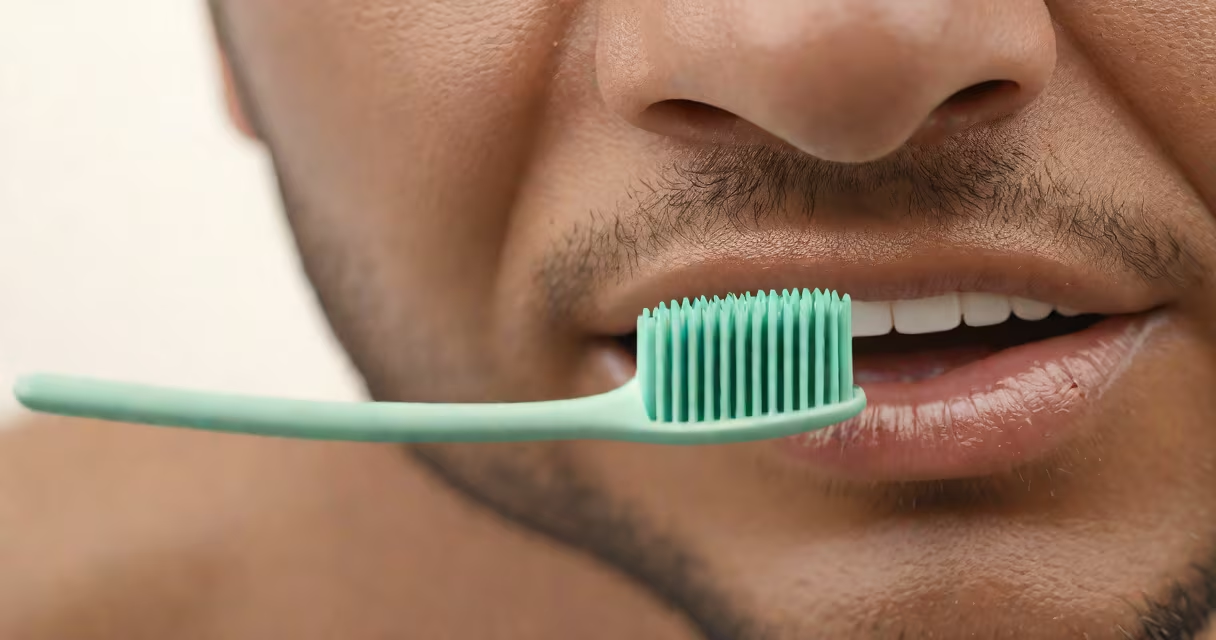
Use a soft-bristled toothbrush and replace it every three months. Floss daily to remove interdental food and plaque. Clean the tongue with a scraper or brush-focus on the back third, where bacteria concentrate.
Limit foods high in sulfur: garlic, onions, red meat, and dairy. Avoid fasting or skipping meals-extended fasting increases ketone production, which can cause fruity breath.
Bad breath is rarely a standalone issue. It's a symptom. Addressing the root cause-whether oral hygiene, dry mouth, or systemic disease-leads to lasting resolution.