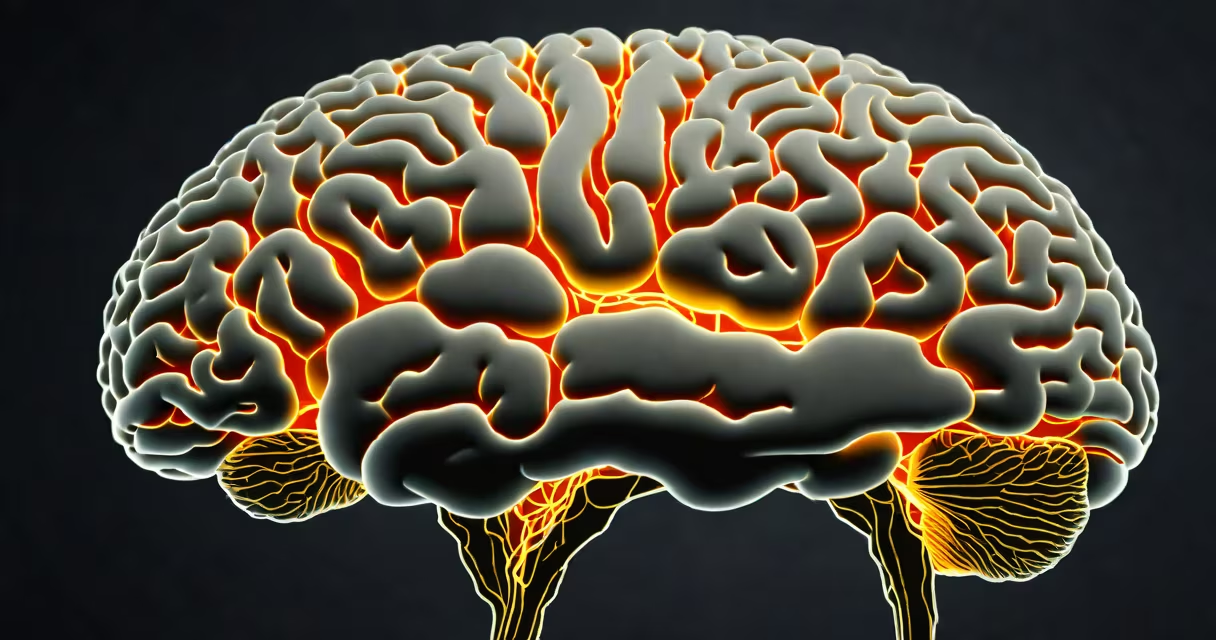
The body and brain are a single functional unit: the brain sends electrical and chemical signals through nerves to control bodily functions, while sensory feedback from the body continuously informs the brain's decisions. This changing exchange regulates everything from breathing and heartbeat to mood, memory, and voluntary movement.
Every second, billions of neurons fire across the central nervous system, transmitting data between the brain and organs. For example, when you touch a hot stove, pain receptors in your hand send a signal through the spinal cord to the brain within 100 milliseconds. The brain then triggers a motor response-pulling your hand away-before you consciously feel the burn. This reflex happens automatically, bypassing higher thinking centers.
Neurotransmitters like dopamine, serotonin, and norepinephrine act as messengers between nerve cells. These chemicals influence both physical states-such as muscle tension-and mental states-like focus or anxiety. A drop in serotonin levels correlates with increased risk of depression, according to research from the National Institute of Mental Health (NIMH).
The brain operates as the command center, interpreting inputs from the body's sensory systems. Vision, hearing, touch, taste, and smell feed raw data into the cerebral cortex, which integrates it into coherent perception. Meanwhile, the autonomic nervous system manages unconscious processes: heart rate, digestion, and hormone release.
For instance, during stress, the hypothalamus activates the adrenal glands to release cortisol. This hormone increases blood sugar, suppresses immune function, and sharpens attention-all preparing the body for fight-or-flight. Once the threat passes, the parasympathetic nervous system restores balance by slowing the heart and promoting digestion.
Electrical impulses travel along axons at speeds up to 120 meters per second. These signals are not continuous but occur in discrete bursts called action potentials. Each firing event releases neurotransmitters into synapses-the tiny gaps between neurons-where they bind to receptors on adjacent cells.
The body and brain rely on several interconnected systems:
| System | Function | Example |
|---|---|---|
| Central Nervous System (CNS) | Processes information and coordinates responses | Brain and spinal cord |
| Peripheral Nervous System (PNS) | Transmits signals between CNS and limbs/organs | Nerves in arms and legs |
| Autonomic Nervous System (ANS) | Regulates involuntary actions | Heartbeat, pupil dilation |
| Somatic Nervous System | Controls voluntary movements | Raising your hand, walking |
Each system uses specific nerve fibers. Myelinated axons conduct signals faster due to insulating sheaths made of lipid-rich cells. Damage to myelin, as seen in multiple sclerosis, disrupts communication and causes weakness, numbness, or vision loss.
Many people assume the brain controls the body like a pilot steers a ship. But the relationship is bidirectional. The body influences the brain far more than most realize. For example, chronic pain alters brain structure-shrinking gray matter in areas linked to emotion regulation and decision-making, per a 2016 study published in *Nature Neuroscience*.
Another myth is that we only use 10% of our brains. That claim has no scientific basis. Brain imaging shows full activation across regions during tasks. Even resting-state scans reveal constant activity in default mode networks, involved in self-reflection and planning.
A lesser-known fact: gut bacteria produce about 90% of the body's serotonin. The enteric nervous system-often called the "second brain"-governs digestive function and communicates with the central nervous system via the vagus nerve. This gut-brain axis explains why stress affects digestion and why probiotics may improve mood.
Consider a basketball player making a jump shot under pressure. The brain processes visual cues-distance, hoop position, defender's movement-in less than half a second. Motor commands are sent to muscles in the legs, arms, and hands. Simultaneously, the body sends feedback: proprioception (sense of limb position), balance from inner ear fluid, and grip pressure from fingertips.
If the player misses, the brain updates its model of success based on error signals. Over time, repeated practice strengthens synaptic connections, improving accuracy. This process-neuroplasticity-is why consistent training leads to measurable skill gains.
I once observed a patient recovering from a stroke who had lost control of their right arm. After six weeks of intensive physical therapy, fMRI scans showed increased activity in undamaged brain regions that took over motor control. The body adapted, and the brain rewired itself-a direct demonstration of the body and brain's interdependence.
Understanding how the body and brain interact helps explain conditions like fibromyalgia, where pain signals are amplified despite no tissue damage. It also informs treatments such as transcranial magnetic stimulation (TMS), which uses magnetic fields to stimulate nerve cells in the brain and treat depression.
Body and brain are not separate entities. They form a living circuit where each influences the other. Their coordination enables survival, learning, and adaptation-fundamental to human experience.