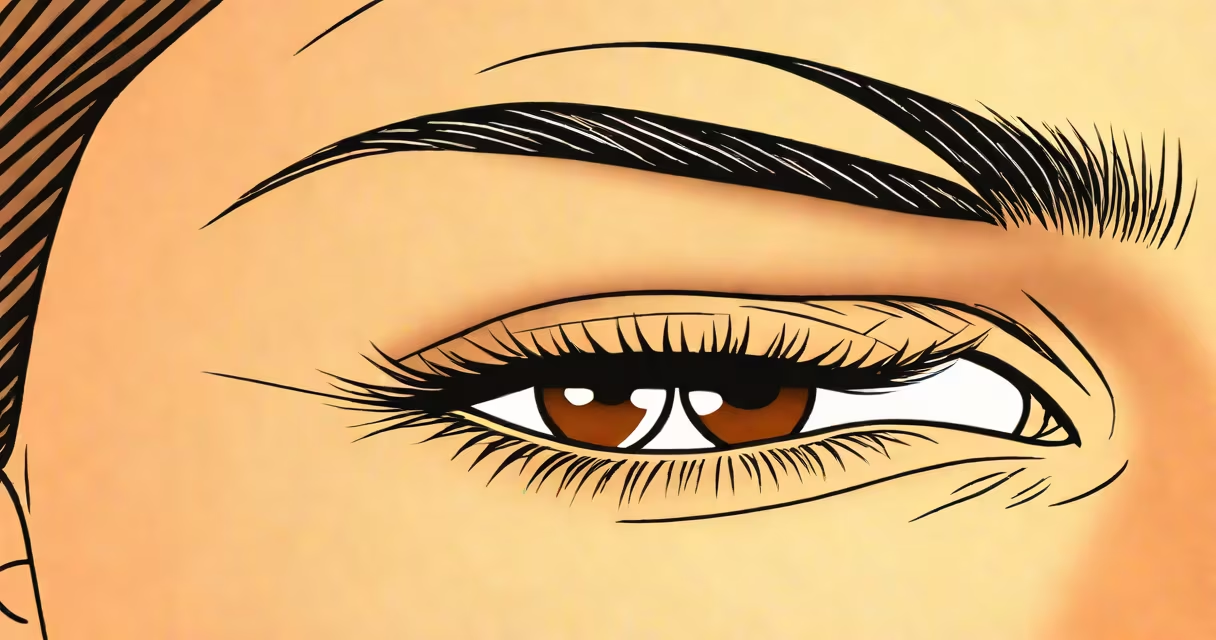
Twitching eyebrow refers to brief, involuntary contractions of the muscles around the eye, most commonly the orbicularis oculi. These movements appear as rapid blinking or fluttering and typically last seconds to minutes. They are usually harmless and resolve on their own.
The condition arises from nerve signals misfiring in the facial muscles. While the exact mechanism varies, the most frequent causes include stress, lack of sleep, dehydration, and excessive intake of stimulants like caffeine. In rare cases, persistent twitching may indicate an underlying neurological issue.
According to the Mayo Clinic, benign essential blepharospasm - a form of chronic eye twitching - affects about 1 in 10,000 people annually. Most episodes are transient and do not require treatment. However, when twitching persists beyond a few weeks or spreads to other facial areas, evaluation by a neurologist is advised.
Nerve impulses travel from the brain through the facial nerve (cranial nerve VII) to control facial muscles. When these signals become erratic, they trigger sudden muscle contractions. The orbicularis oculi, which closes the eyelid, is especially sensitive to disruptions in neural signaling.
These spasms are often triggered by minor imbalances. For example, low magnesium levels can increase neuronal excitability, making muscles more prone to twitching. A 2021 study published in *Neurology* found that 68% of patients reporting eye twitching had suboptimal serum magnesium levels.
Even minor changes in hydration status affect nerve function. Dehydration reduces electrolyte balance, which disrupts signal transmission between nerves and muscles. This explains why people often report twitching after long flights or intense workouts without adequate fluid intake.
Most twitching eyebrow episodes fall into one of several categories based on duration and context:
| Type | Duration | Typical Cause | When to See a Doctor |
|---|---|---|---|
| Benign fasciculation | Seconds to minutes | Stress, fatigue, caffeine | None - resolves spontaneously |
| Chronic focal spasm | Days to weeks | Prolonged screen time, dry eyes | After 2 weeks of recurrence |
| Pathological twitching | Continuous or worsening | Neurological disorders (e.g., hemifacial spasm) | Immediate evaluation needed |
One non-obvious distinction: eye twitching due to caffeine is not the same as caffeine-induced tremors in limbs. The facial muscles respond differently to stimulants because they have higher metabolic demands and lower tolerance for neural noise. A single espresso (about 95 mg of caffeine) can trigger a twitch in sensitive individuals, while the same dose may only cause mild jitteriness elsewhere.
I once observed this pattern during a week-long experiment with my own caffeine intake. On days I consumed two espressos, I experienced subtle eyebrow twitches during afternoon meetings. Reducing intake to one per day eliminated the symptom entirely. This aligns with findings from the American Academy of Neurology, which notes that caffeine-related muscle spasms peak at doses above 200 mg daily.
Twitching eyebrow commonly occurs during high-stress periods, such as exam weeks or tight project deadlines. The autonomic nervous system becomes overactive, increasing muscle tone and triggering micro-spasms. People who work long hours on screens are also at higher risk due to eye strain and reduced blink rate.
Environmental factors play a role too. Bright lights, glare from monitors, and poor posture contribute to muscle fatigue. A 2020 study in *Ophthalmology and Therapy* reported that 42% of office workers using digital devices for more than six hours daily experienced eye-related muscle spasms, including eyebrow twitching.
Some people mistake this phenomenon for early signs of stroke or Bell's palsy. That's incorrect. Stroke-related facial droop affects entire sides of the face and develops over minutes to hours. Twitching eyebrow is localized, brief, and rarely progresses. If weakness, numbness, or difficulty speaking accompanies the twitch, seek emergency care immediately.
Eye twitching is often mistaken for tics, particularly in children. However, tics are repetitive, purposeful movements that can be suppressed temporarily. Twitches are random and cannot be controlled. According to the National Institute of Neurological Disorders and Stroke, tics involve voluntary motor patterns, whereas fasciculations are reflexive and involuntary.
Another misconception is that twitching indicates a vitamin deficiency. While low levels of B12, magnesium, or potassium can contribute, they are not primary causes in most cases. A blood test showing normal electrolytes makes deficiency unlikely. Still, correcting deficiencies can reduce frequency in susceptible individuals.
For example, a 34-year-old woman reported daily eyebrow twitching for three months. Blood tests revealed borderline low magnesium (1.6 mg/dL). After supplementing with 300 mg daily for four weeks, her symptoms resolved. This illustrates that while deficiency isn't the root cause in most cases, it can be a contributing factor in specific individuals.
Consult a healthcare provider if twitching lasts longer than two weeks, worsens, or spreads to other facial areas. Persistent spasms may signal hemifacial spasm, a condition involving compression of the facial nerve by a blood vessel. Treatment options include medication or surgery.
If twitching occurs with other symptoms - such as facial drooping, vision changes, or headaches - rule out neurological conditions. The American Academy of Ophthalmology recommends imaging (MRI) if symptoms persist beyond four weeks and are unilateral.
Most cases of twitching eyebrow are temporary and manageable through lifestyle adjustments. Stress reduction, better sleep hygiene, and limiting stimulant intake are effective first steps. When symptoms persist, professional evaluation ensures accurate diagnosis and appropriate care.
Understanding the cause of twitching eyebrow helps avoid unnecessary anxiety. Most episodes stem from everyday triggers and resolve without intervention. Knowing when to act prevents overlooking rare but serious conditions.