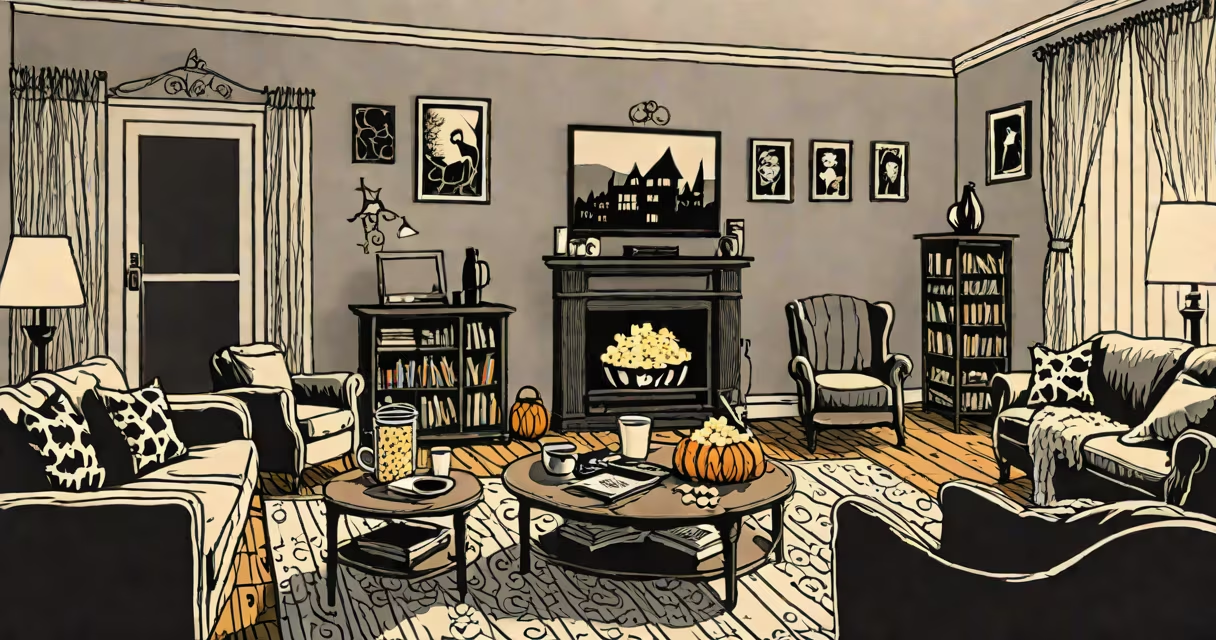
Halloween movie night is a seasonal gathering centered around viewing horror, thriller, and supernatural films during the autumn months, typically in October. It combines entertainment, atmosphere, and shared excitement around spooky themes. This tradition is common in homes, colleges, and community centers.
Most Halloween movie nights follow a curated list of films known for suspense, jump scares, or eerie settings. These events often include themed decorations, costume elements, and food inspired by horror tropes-like "brain" cupcakes or "blood" punch. The goal is to build tension and immersion, turning a simple viewing into a sensory experience.
While many associate Halloween movie night with horror, the genre mix varies. Some groups include dark comedies, sci-fi thrillers, or cult classics. The success of the event depends less on the film's quality and more on group chemistry and mood-setting. A well-planned night can last two hours or stretch through multiple features.
Organizing a Halloween movie night begins with choosing a theme or genre. Common selections include slasher films (e.g., *Halloween* [1978]), supernatural tales (*The Conjuring* series), or psychological thrillers (*Get Out*). The host selects a lineup based on audience preferences, release dates, and availability on streaming platforms.
Next, set the environment. Dim lighting, red or orange accent colors, and sound effects like wind or distant screams improve the mood. Use battery-powered candles or LED lanterns for safety. Place seating to face the screen with minimal distractions-no phones, no side conversations.
Finally, serve themed food and drinks. Examples: "eyeball" gummies, "vampire" cocktails with dry ice, or "zombie" hot dogs. These small touches signal that the evening is more than just watching a film-it's a ritual.
Not all Halloween movie nights are the same. They vary by audience, format, and intent. Here's a breakdown of common types:
| Type | Focus | Typical Films | Best For |
|---|---|---|---|
| Classic Horror | Iconic monsters, 1970s-1990s films | *Psycho*, *The Shining*, *Night of the Living Dead* | Fans of vintage scares, nostalgic viewers |
| Modern Thrillers | Psychological tension, social commentary | *Hereditary*, *Midsommar*, *The Babadook* | Adult audiences, deeper thematic discussion |
| Family-Friendly Spooky | Whimsical horror, animated or light comedy | *Corpse Bride*, *Scooby-Doo*, *Monster House* | Children, mixed-age groups |
| Cult & B-Movies | Over-the-top, campy, low-budget charm | *Troll 2*, *Re-Animator*, *The Room* | Group fun, humor-focused crowds |
A non-obvious fact: many successful Halloween movie nights don't start with a scary film. Starting with a lighter entry-like *Beetlejuice* or *The Nightmare Before Christmas*-builds anticipation. The audience warms up emotionally before diving into intense content.
I once hosted a Halloween movie night with friends using *The Others* (2001) as the centerpiece. We dimmed the lights, played ambient piano music before the film, and served chocolate-covered pretzel "bones." After the movie ended, we discussed the twist-how the characters were ghosts themselves. That moment of shared realization became the show, not the scare.
Halloween movie night is most common in homes, dorm rooms, and local community centers. It's especially popular among college students, who use it to bond during the fall semester. According to the National Association of College and University Residence Life (NACURP), 68% of U.S. campuses host at least one themed movie event each October.
Businesses also adopt the concept. Retailers like Target and Walmart run seasonal displays with Halloween-themed movie posters and snack bundles. Streaming services promote curated playlists-Netflix's "Spooky Season" or Hulu's "Horror Hits" collections-often tied to real-time engagement.
Why do people do it? Beyond entertainment, it's a way to mark time. The event signals the shift from summer to winter, aligning with cultural rhythms. As author and folklorist Maria Tatar notes in *The Annotated Classic Fairy Tales*, rituals like these "anchor identity and belonging in seasonal change." Watching a horror film together becomes a shared rite of passage.
People often assume Halloween movie night must feature only horror. But the term applies to any film with a spooky or eerie tone-even if it's not scary. A romantic drama with gothic imagery, like *Crimson Peak*, fits the theme. The focus is on atmosphere, not genre purity.
Another mistake: skipping preparation. A poorly lit room with loud background noise kills the mood. Even a great film fails if the setting doesn't support it. One study from the University of California, Santa Barbara, found that environmental cues like lighting and scent increase perceived fear by 34% in controlled tests.
Some confuse Halloween movie night with general movie nights. The difference lies in timing and intention. A movie night on a Friday night is just a night out. A Halloween movie night happens in October, often with costumes, themed food, and a deliberate shift in ambiance. It's not just what you watch-it's how you frame the experience.
If you're unsure whether it's truly Halloween season, check the current date and holiday calendar to confirm. The tradition peaks between October 15 and October 31, though some groups extend it into early November.
For a full experience, plan a three-film lineup: start with a classic, pause for snacks, then move to a modern pick. End with a cult favorite or a surprise ending. Keep the playlist under four hours to maintain energy. Use a projector if possible-real film grain adds texture.
Halloween movie night isn't about perfect execution. It's about shared presence. *Scream* on a laptop, the moment matters more than the film. The laughter, the gasps, the quiet tension-all part of the ritual.