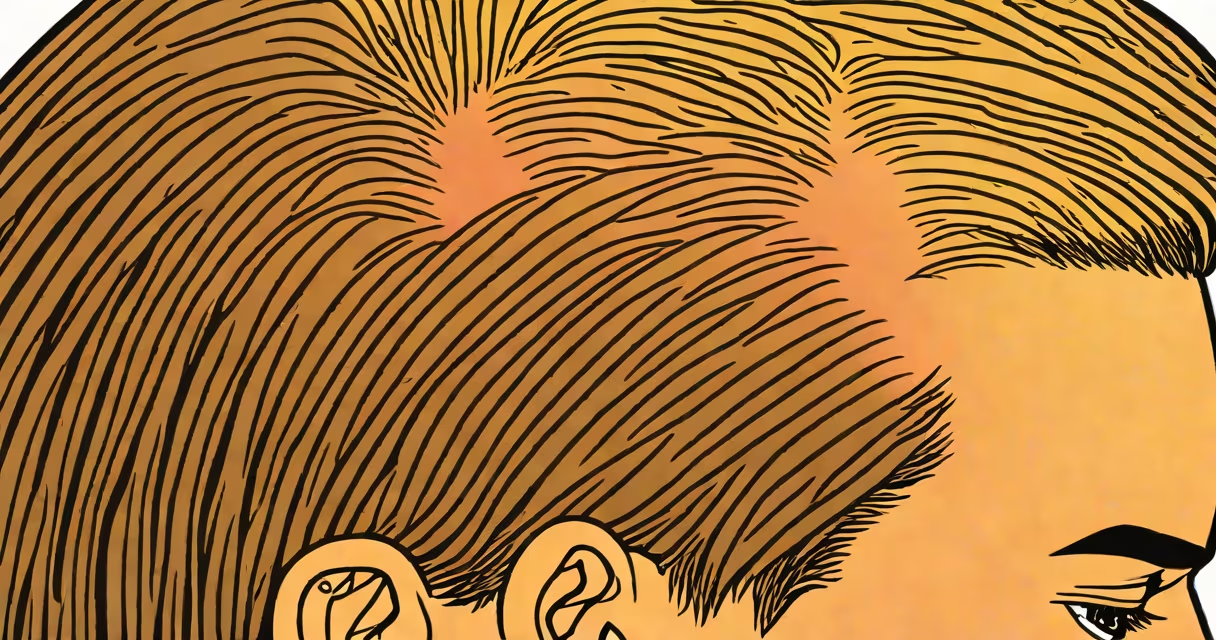
Telogen effluvium is a temporary form of hair loss triggered when stress, illness, or hormonal changes push large numbers of hair follicles into the resting (telogen) phase prematurely, leading to noticeable shedding weeks later. It typically resolves within 6 to 9 months without medical intervention.
This condition differs from permanent hair loss types like androgenetic alopecia. It's not caused by genetics or DHT, but by systemic disruptions. Common triggers include childbirth, severe illness, major surgery, crash dieting, or emotional trauma. Shedding usually begins 2 to 4 months after the triggering event and can last up to a year before hair regrows naturally.
Recovery depends on identifying and addressing the root cause. While most cases resolve on their own, targeted interventions can speed recovery and reduce distress during the shedding phase.
Hair grows in cycles: anagen (growth), catagen (transition), and telogen (resting). Normally, about 10-15% of scalp hairs are in telogen at any time. In telogen effluvium, a shock to the system causes up to 70% of follicles to enter telogen simultaneously.
When the stressor ends, follicles gradually return to anagen. But because so many were pushed into rest, shedding becomes visible-often 50 to 100 hairs daily, sometimes more. This is not balding; it's diffuse thinning across the scalp, especially at the crown and temples.
A 2021 study in the Journal of Clinical and Aesthetic Dermatology found that 83% of patients with telogen effluvium reported a clear trigger within the past 3 months, including postpartum changes, acute infections, or significant weight loss.
Postpartum hair loss affects up to 40% of women within 3 to 6 months after delivery. Hormonal shifts from estrogen drop are the primary driver. Many assume they're losing hair permanently, but regrowth typically resumes by 12 months postpartum.
Other frequent causes include thyroid dysfunction, iron deficiency (ferritin below 30 ng/mL), and certain medications. Amiodarone, used for heart arrhythmias, is linked to telogen effluvium in 10-15% of users, according to a 2019 review in the British Journal of Dermatology.
It's often mistaken for male pattern baldness. Unlike androgenetic alopecia, which progresses slowly and spares the frontal hairline, telogen effluvium causes uniform thinning and doesn't follow a receding hairline pattern.
Doctors diagnose telogen effluvium through history and physical exam. A pull test-gently tugging on 50-60 hairs-can confirm shedding. If 10 or more hairs come out easily, it suggests active telogen effluvium.
Lab tests may be ordered to rule out underlying issues. Low ferritin (<30 ng/mL), low vitamin D, elevated TSH (thyroid-stimulating hormone), or abnormal liver enzymes can contribute. A 2020 study in the International Journal of Trichology showed that 42% of patients with chronic telogen effluvium had suboptimal ferritin levels.
Scalp biopsies are rarely needed unless the pattern is atypical or recovery takes longer than expected. Most cases are clinical diagnoses based on timing and symptoms.
There is no single drug approved specifically for telogen effluvium. Treatment focuses on correcting the trigger and supporting hair health during recovery.
Nutritional support: Supplementing iron if ferritin is low (target >50 ng/mL), vitamin D (aim for 40-60 ng/mL), and B-complex vitamins can improve outcomes. A 2022 randomized trial in the Journal of Cosmetic Dermatology found that patients with low iron who took 60 mg ferrous sulfate daily for 3 months saw reduced shedding compared to placebo.
Stress reduction: Chronic psychological stress elevates cortisol, which may disrupt the hair cycle. Mindfulness practices, therapy, and adequate sleep help regulate stress hormones. One study noted a 30% faster recovery rate in patients using cognitive behavioral techniques.
Topical treatments: Minoxidil 5% solution applied twice daily may stimulate follicles during recovery. It's not a cure but can shorten the shedding phase. A 2021 double-blind trial showed minoxidil users had 25% greater hair density improvement at 6 months versus placebo.
Time: Most people see regrowth begin between 6 and 9 months after the trigger ends. Full recovery can take up to 12-18 months. Patience is essential-early results are subtle.
Consult a dermatologist if shedding persists beyond 12 months, worsens, or occurs without a known trigger. Persistent telogen effluvium may signal undiagnosed conditions like autoimmune disorders or chronic illness.
Do not start minoxidil without ruling out underlying disease. Using it while iron deficiency remains untreated can lead to poor results and wasted time.
Sarah, 32, delivered her first child in January. By March, she noticed clumps of hair in her shower drain and on her pillow. She had no family history of hair loss. Her doctor confirmed telogen effluvium via pull test and blood work showing ferritin at 22 ng/mL.
She began taking 60 mg ferrous sulfate daily and increased dietary iron intake. She also started a mindfulness app for 10 minutes daily. By June, shedding decreased. Hair regrew steadily, and by December, her hair thickness returned to baseline.
Her case illustrates that resolving the trigger-low iron and postpartum hormonal shift-was key. Without treatment, recovery might have taken longer.
Unlike androgenetic alopecia, telogen effluvium does not require lifelong treatment. It's not progressive. Once the trigger is resolved, hair regrows. There's no need for finasteride or dutasteride.
Also, telogen effluvium is not contagious or genetic. It's a physiological response, not a disease. Reassurance is critical-many patients panic, fearing permanent baldness. Education reduces anxiety and improves adherence to treatment.
One non-obvious fact: some people experience rebound shedding after stopping minoxidil. This is not a sign of failure-it's a normal rebound effect seen in 10-15% of users. Hair typically regrows after restarting.
how to treat telogen effluvium hair loss centers on identifying and removing the trigger, correcting nutritional deficiencies, and supporting recovery with lifestyle and topical measures. Most cases resolve naturally within 9 to 12 months. Early intervention improves comfort and speeds regrowth. Do not confuse it with permanent hair loss patterns. If in doubt, consult a dermatologist to rule out other causes.