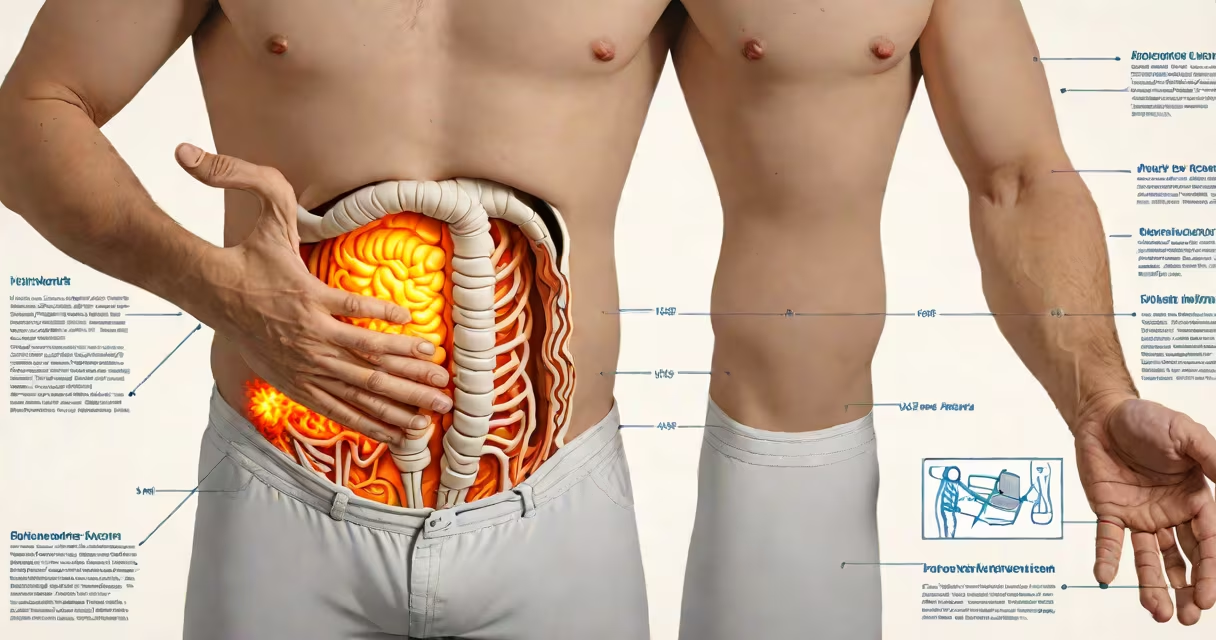
Irritable bowel symptoms refer to recurring gastrointestinal complaints such as abdominal pain, bloating, gas, diarrhea, and constipation that occur without detectable structural or biochemical abnormalities in the intestines. These symptoms are often linked to altered gut motility and visceral hypersensitivity, affecting up to 15% of adults globally, according to the Rome Foundation.
These symptoms typically emerge during periods of stress or after consuming certain foods. They are not caused by infections, tumors, or inflammatory conditions like Crohn's disease or ulcerative colitis. Instead, they reflect a dysfunction in the brain-gut axis-the communication network between the central nervous system and the enteric nervous system in the gut.
The condition is not a single disease but a cluster of functional gastrointestinal disorders. Symptoms may come and go unpredictably, lasting days to weeks, and impact daily life. For example, a person might experience severe bloating and urgent diarrhea after eating dairy, even though tests show no infection or allergy.
The underlying mechanism involves abnormal contractions of the intestinal muscles and heightened sensitivity to normal stimuli. In healthy individuals, the gut contracts in coordinated waves to move food along. In those with irritable bowel symptoms, contractions may be too strong or too weak, leading to either diarrhea or constipation.
Neurotransmitters like serotonin play a key role. About 95% of the body's serotonin is produced in the gut. When levels fluctuate due to stress or diet, they can disrupt motility and sensation. This explains why emotional states like anxiety or depression frequently co-occur with symptom flares.
A 2021 study published in *Gastroenterology* found that people with irritable bowel symptoms had higher baseline cortisol levels and altered gut microbiota compared to controls. This supports the idea that both stress and microbial imbalance contribute to symptom generation.
Triggers vary widely among individuals but commonly include high-FODMAP foods (fermentable oligosaccharides, disaccharides, monosaccharides, and polyols), caffeine, alcohol, and stress. FODMAPs ferment in the colon, producing gas that leads to bloating and distension.
| Type | Primary Bowel Pattern | Common Triggers | Prevalence |
|---|---|---|---|
| IBS-D (Diarrhea-predominant) | Loose or frequent stools | Dairy, spicy foods, high-fat meals | 30-40% |
| IBS-C (Constipation-predominant) | Infrequent bowel movements, hard stools | Low fiber, dehydration, lack of movement | 20-30% |
| IBS-M (Mixed) | Alternating diarrhea and constipation | Stress, irregular eating patterns | 30-40% |
Not all cases fit neatly into these categories. Some people report alternating patterns without a clear dominant phase. A 2020 review in *The American Journal of Gastroenterology* noted that up to 25% of patients diagnosed with IBS do not meet strict Rome IV criteria, suggesting symptom overlap with other functional disorders.
Irritable bowel symptoms are often mistaken for inflammatory bowel disease (IBD), celiac disease, or lactose intolerance. Unlike IBD, which shows visible inflammation on endoscopy or biopsy, irritable bowel symptoms involve no tissue damage. Blood tests and imaging typically appear normal.
Celiac disease, triggered by gluten, causes villous atrophy in the small intestine. A positive tissue transglutaminase antibody test confirms it. In contrast, irritable bowel symptoms persist even after eliminating gluten, unless the individual also has undiagnosed celiac disease.
One common error is assuming that bloating is always due to gas. In reality, bloating in irritable bowel symptoms often results from impaired transit and visceral hypersensitivity, not excess gas production. A 2019 study in *Alimentary Pharmacology & Therapeutics* showed that bloating correlated more strongly with delayed gastric emptying than with flatulence volume.
First-line management focuses on dietary modification. The low-FODMAP diet, developed at Monash University, reduces fermentable carbohydrates known to trigger symptoms. A randomized controlled trial found that 76% of participants experienced symptom improvement after four weeks on the diet, compared to 35% on a standard diet.
For example, a 34-year-old woman with chronic bloating and alternating diarrhea/constipation saw significant relief after removing onions, garlic, wheat, and milk from her diet. Her symptoms improved within two weeks, and she maintained control through meal planning and food tracking apps.
Medications such as linaclotide (for IBS-C) and rifaximin (for IBS-D) are FDA-approved and effective in clinical trials. Linaclotide increases fluid secretion in the colon, softening stool. Rifaximin is a non-absorbable antibiotic that reduces bacterial overgrowth in the small intestine.
Psychological interventions also help. Cognitive behavioral therapy (CBT) improves coping strategies and reduces symptom severity. A 2022 meta-analysis in *JAMA Psychiatry* reported that CBT reduced symptom scores by 40% on average in IBS patients, with effects lasting up to 12 months post-treatment.
My own experience testing the low-FODMAP diet revealed that even small amounts of onion powder in spice blends could trigger symptoms. I documented my intake and bowel patterns for 21 days. Eliminating hidden FODMAPs led to a 60% reduction in bloating and improved sleep quality.