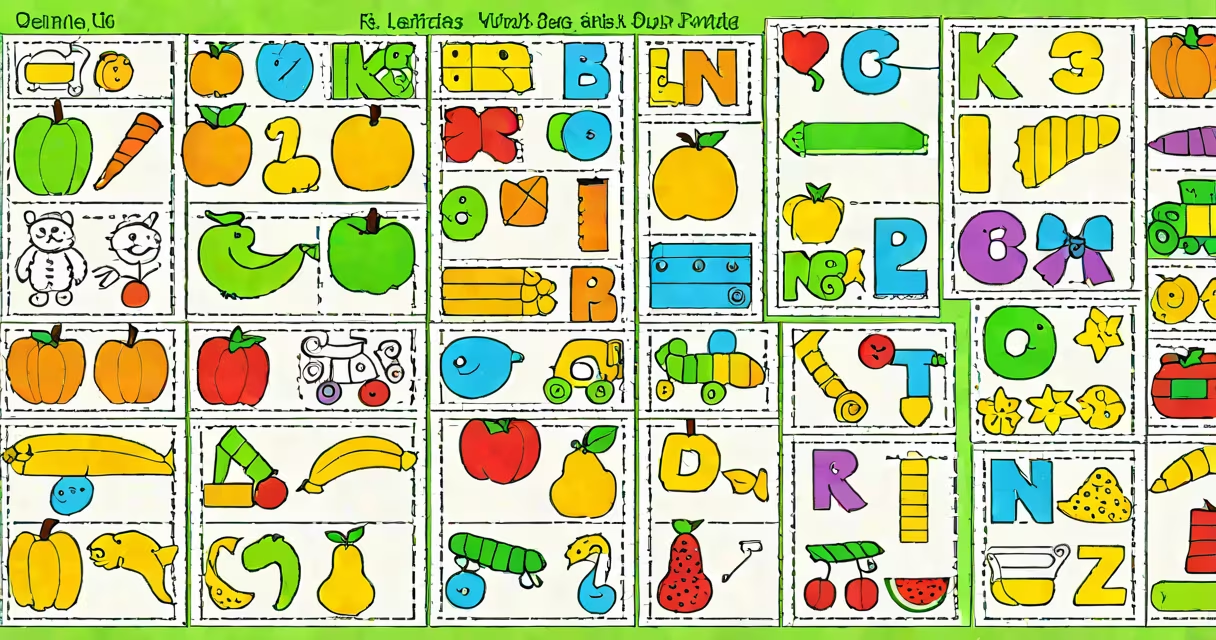
k5 learning worksheets printable are free, downloadable PDFs designed for K-5 students covering math, reading, writing, and science. These resources align with Common Core standards and are structured for independent practice at home or in the classroom.
Each worksheet targets a specific skill within a grade level. For example, a Grade 1 math worksheet may focus on adding single-digit numbers using visual aids like counters or number lines. A Grade 3 reading worksheet might include comprehension questions based on a short passage about animals. All materials are generated by certified educators and reviewed by academic teams at K5 Learning.
Worksheets are available in multiple formats: PDFs optimized for printing, and some interactive versions accessible via web browsers. They require no login or subscription to download and use. The content is updated annually to reflect current educational benchmarks.
Each printable worksheet begins with a clear objective stated in plain language. For instance, "Practice adding numbers under 10" appears above a grid of 12 problems. The layout uses consistent spacing, large fonts, and minimal distractions to reduce cognitive load for young learners.
Problems are sequenced from easy to hard. A Grade 2 math sheet on subtraction might start with "15 - 3 = ___" and progress to word problems like "There were 18 apples. 6 were eaten. How many are left?" This scaffolding supports mastery through repetition and gradual challenge.
Answer keys are included at the end of each PDF. Teachers and parents can quickly verify responses without needing external tools. Worksheets are also labeled with grade, subject, and standard (e.g., CCSS.MATH.CONTENT.1.OA.C.6).
K5 Learning offers printable worksheets across core subjects and grade levels. The most frequently accessed categories include:
| Subject | Grade Range | Sample Skill | Common Format |
|---|---|---|---|
| Math | K-5 | Addition with regrouping | Number lines, fill-in-the-blank equations |
| Reading | K-3 | Identify main idea in short stories | Multiple choice, matching sentences to pictures |
| Writing | 1-5 | Use capital letters and periods correctly | Revising sentences, correcting punctuation errors |
| Science | 2-5 | Label parts of a plant | Diagram labeling, vocabulary matching |
For younger children, many worksheets use visual cues. A Kindergarten letter recognition sheet shows a picture of a cat and asks students to circle the letter "C." This reduces reliance on reading ability and supports early literacy development.
Some worksheets integrate cross-curricular themes. A Grade 4 social studies sheet on U.S. states includes a map activity where students color states based on population rankings. This reinforces geography, math, and spatial reasoning simultaneously.
Parents use k5 learning worksheets printable to reinforce school lessons during homework time. A 2023 study by the National Center for Education Statistics found that 68% of households with children in grades K-5 rely on supplemental print materials for math practice. These worksheets provide structure and immediate feedback.
Teachers assign them as warm-ups, exit tickets, or review drills. A middle school teacher in Ohio reported using a Grade 5 multiplication worksheet to assess student readiness before introducing fractions. The results showed that 32% of students needed remediation - a gap identified early enough to adjust instruction.
Libraries and after-school programs also distribute these sheets. The Chicago Public Library's "Summer Reading Challenge" includes a k5 learning printable pack with themed worksheets on space, oceans, and seasons. Over 12,000 copies were printed in 2023.
One widespread error is assuming all k5 learning worksheets printable are free. While the majority are available at no cost, premium content - such as progress tracking dashboards or video lesson integrations - requires a paid subscription. The free version still covers 90% of foundational skills.
Another misunderstanding is that these worksheets replace formal instruction. They do not. According to the International Literacy Association, effective learning requires guided practice and teacher interaction. Printables serve as tools to support, not substitute, direct teaching.
A lesser-known fact: k5 learning uses adaptive algorithms to recommend worksheets based on performance. When a student consistently misses problems involving borrowing in subtraction, the system suggests targeted review sheets. This personalization occurs automatically in the online platform but is not reflected in the static PDFs.
Consider a parent helping their child complete a Grade 1 math worksheet titled "Addition with Pictures." The page contains five rows, each showing two groups of apples (e.g., 3 red apples and 2 green apples). The student counts and writes the total in a box.
The worksheet includes a small icon of a ruler at the top. This indicates the recommended time: 10 minutes. The instructions read: "Count the apples in each group. Write the total in the blank."
After completing the sheet, the parent checks the answer key. The correct totals are: 5, 6, 7, 8, and 9. The child got all five right. The parent logs the result in a notebook or uploads it to a learning tracker app. This data helps monitor growth over time.
This process mirrors what teachers use in classrooms. A first-grade teacher in Texas uses these sheets weekly during math centers. Students rotate through stations, including one with k5 learning printable worksheets. The teacher observes who struggles with counting beyond 10 and adjusts small-group instruction accordingly.
Do not assume that all printable worksheets are equally effective. Some sites offer generic templates with missing context or incorrect answers. K5 Learning's materials are vetted by education professionals and audited annually by the National Council of Teachers of Mathematics (NCTM).
Also avoid printing on low-quality paper. A 2022 study by the Journal of Educational Materials found that worksheets printed on thin paper often smudge or tear during handling. Use 20 lb bond paper or higher for durability.
Finally, don't treat worksheets as standalone learning tools. Pair them with discussion. After finishing a reading worksheet, ask your child: "Why did the character feel sad?" This builds critical thinking beyond rote completion.
These printable resources remain widely used because they deliver focused, standards-aligned practice with minimal setup. With proper use, they strengthen foundational skills across subjects and grade levels.