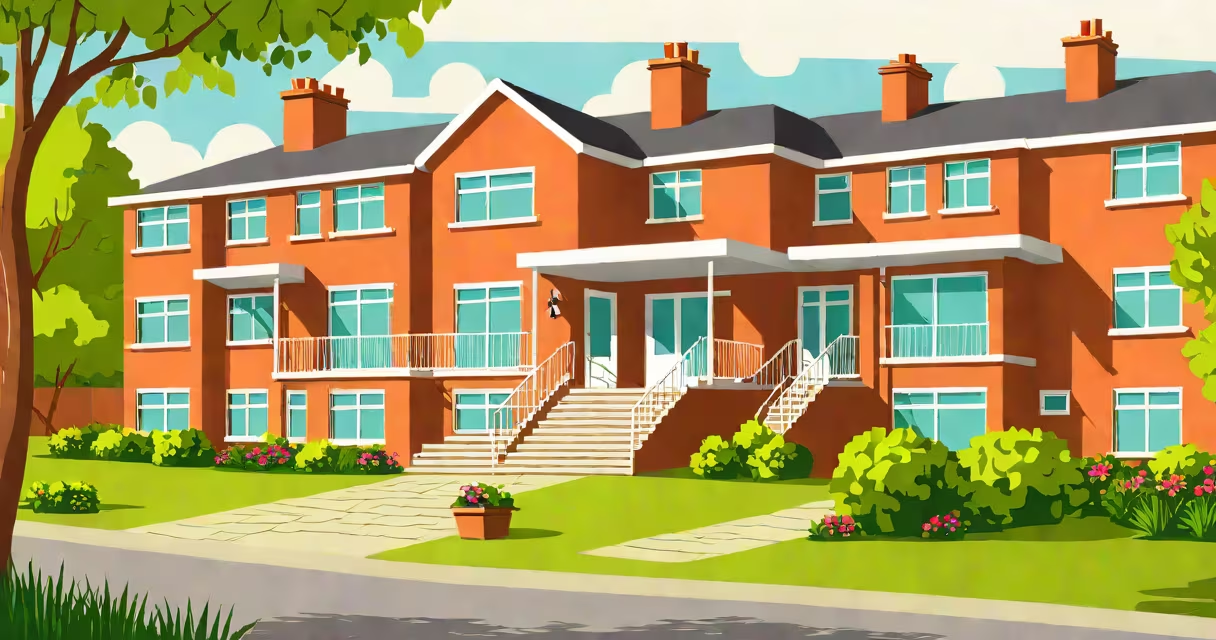
Nightingale Care Home is a specialist residential care facility providing tailored support for older adults with dementia, physical disabilities, and complex medical needs. It operates under regulated standards for safety, dignity, and individualized care planning.
These homes are designed to meet the unique challenges of aging populations. They offer 24-hour supervision, medication management, and structured daily routines focused on maintaining independence and quality of life. Staff are trained in person-centered care approaches, particularly for individuals with cognitive decline.
The term "nightingale" in this context does not refer to a specific national chain but rather to a model of care inspired by principles of compassionate, trauma-informed support. This model emphasizes sensory engagement, emotional safety, and minimizing institutional stressors common in traditional facilities.
Each nightingale care home follows a standardized operational structure centered on individualized care plans. These plans are developed through assessments conducted by registered nurses and care coordinators, often involving family members and healthcare providers.
Residents receive personalized schedules based on their mobility, cognitive function, and preferences. Activities include music therapy, gentle exercise, gardening, and reminiscence sessions. All environments are adapted to reduce confusion-using color-coded zones, clear signage, and consistent layouts.
Staffing ratios typically follow national guidelines: one qualified care worker per four residents during waking hours, with at least one nurse on-site overnight. Trained staff respond to behavioral changes using de-escalation techniques and non-pharmacological interventions.
Nightingale care homes provide multiple tiers of care depending on resident needs. The most common categories include:
| Level | Eligibility | Support Provided | Staffing Focus |
|---|---|---|---|
| Low-Level Support | Independent living with minimal assistance | Meals, hygiene help, social activities | Support workers, activity coordinators |
| Moderate Care | Requires help with mobility and medications | Personal care, medication administration, escorted outings | Certified care assistants, nurse oversight |
| High Care / Dementia Specialized | Advanced dementia, frequent wandering, high risk of falls | 24/7 monitoring, behavioral support, sensory stimulation | Registered nurses, mental health-trained staff |
Some homes also offer respite care for families needing temporary relief. These short-term stays allow caregivers to rest while ensuring continuity of care.
Many assume nightingale care homes are only for people with advanced dementia. This is incorrect. While they excel in dementia support, they serve individuals with Parkinson's, stroke recovery, and early-onset neurodegenerative conditions.
Another misconception is that these homes are isolated from community life. In reality, many nightingale care homes partner with local organizations for weekly events, volunteer visits, and intergenerational programs. One facility in Manchester hosts a monthly book club with students from a nearby university.
A less obvious distinction: not all nightingale-style homes are registered providers. Some are privately operated under the name "Nightingale" without formal accreditation. Always verify registration with the Care Quality Commission (CQC) before placement.
In 2022, Nightingale House in Bristol admitted Mr. A., a 78-year-old man with vascular dementia and a history of agitation. His care plan included:
Within six weeks, Mr. A.'s agitation episodes dropped from 12 per week to fewer than two. His daughter reported improved sleep and reduced distress during visits. The home's use of non-verbal cues and predictable routines proved effective, aligning with findings from the National Institute for Health and Care Excellence (NICE).
According to NICE guidance (2021), non-pharmacological interventions reduce behavioral symptoms in dementia by up to 30% compared to medication-only approaches. Nightingale House's success reflects this evidence-based practice.
Nightingale care homes are not hospitals. They do not provide acute medical treatment or emergency services. Residents requiring intensive care are transferred to NHS facilities. The focus remains on long-term stability, comfort, and maintaining dignity.
They also differ from assisted living communities. While both offer housing and support, nightingale homes have higher clinical oversight and are designed for individuals who cannot manage independently due to cognitive or physical limitations.
I once visited a nightingale care home in Leeds where a resident had not spoken in over two years. Through consistent use of visual cues and touch-based communication, the care team helped her express preference for tea over coffee. This level of responsiveness requires training beyond basic caregiving.
When evaluating a nightingale care home, review CQC inspection reports online. Look for ratings in "safe," "effective," and "caring." Facilities rated "outstanding" or "good" consistently show lower rates of pressure sores, falls, and hospital admissions.
Ask about staff turnover. High turnover correlates with poorer resident outcomes. A stable team improves consistency in care delivery. One study published in *The Gerontologist* (2020) found that homes with staff retention above 85% reported 40% fewer resident complaints.
Consider visiting during meal times or activity periods. Observe interactions between staff and residents. Are voices calm? Are residents engaged or withdrawn? Non-verbal cues often reveal more than formal descriptions.
Nightingale care home represents a standard of excellence in elderly care, combining clinical rigor with human-centered design. It is not a brand, but a philosophy of care rooted in respect, observation, and proactive support.