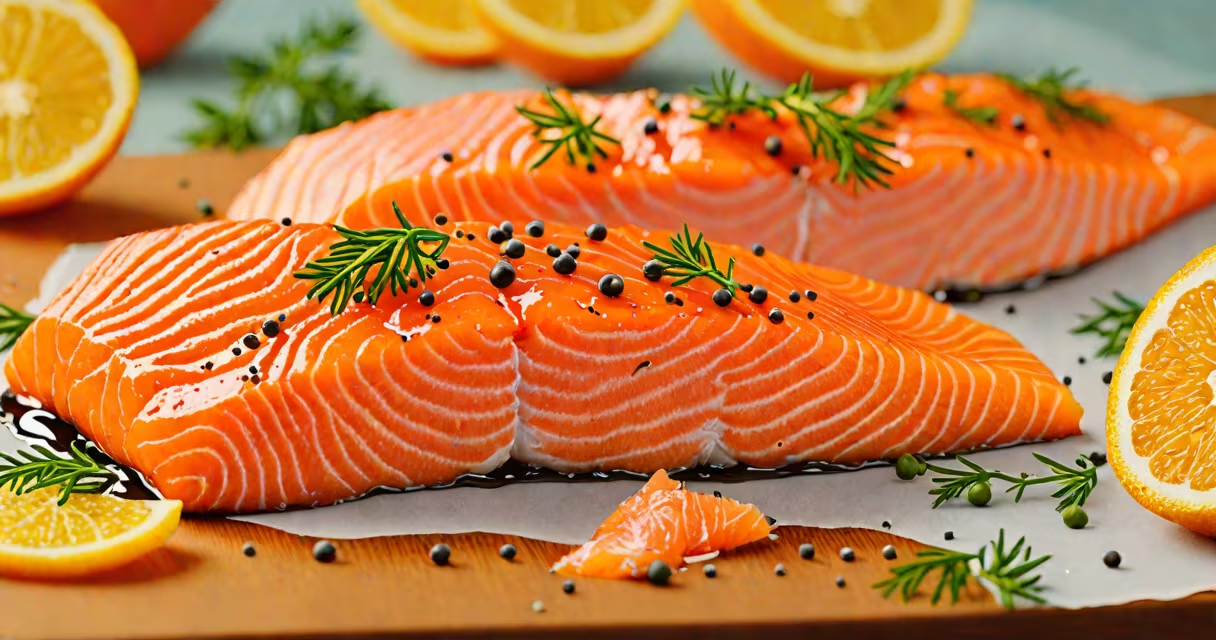
Omega fatty acids are essential polyunsaturated fats your body needs but cannot produce. They play critical roles in brain function, inflammation control, and heart health. These fats come from food and must be consumed regularly.
There are three main types: omega-3, omega-6, and omega-9. Omega-3 and omega-6 are essential-meaning they must come from diet. Omega-9 is non-essential because your body can make it, though dietary sources still support optimal levels. The "omega" name comes from the position of the first double bond in the fatty acid chain, measured from the methyl end (the omega end).
Omega-3 fatty acids include alpha-linolenic acid (ALA), eicosapentaenoic acid (EPA), and docosahexaenoic acid (DHA). ALA is found in plant oils like flaxseed and chia. EPA and DHA are primarily in fatty fish such as salmon, mackerel, and sardines. Omega-6 fats are abundant in vegetable oils like soybean, corn, and sunflower oil. Omega-9s appear in olive oil, avocados, and nuts.
Omega fatty acids integrate into cell membranes, influencing fluidity and signaling. They serve as precursors to hormone-like substances called eicosanoids, which regulate immune response, blood clotting, and blood pressure. For example, EPA and DHA reduce inflammation by shifting eicosanoid production toward less inflammatory compounds.
DHA is especially important for brain development and function. It makes up 30-40% of the fat in the cerebral cortex. A 2021 study published in *The American Journal of Clinical Nutrition* found that adults with higher DHA levels had better cognitive performance over time compared to those with lower levels.
Omega-6 fats also produce eicosanoids-but many promote inflammation. While some inflammation is necessary for healing, excessive omega-6 relative to omega-3 creates a pro-inflammatory state linked to chronic diseases like heart disease and arthritis. The ideal ratio of omega-6 to omega-3 is between 1:1 and 4:1. Modern Western diets often exceed 15:1 due to high intake of processed foods and seed oils.
The table below outlines the three primary omega fatty acids, their functions, and rich dietary sources.
| Fatty Acid | Essential? | Main Functions | Top Food Sources |
|---|---|---|---|
| Omega-3 (ALA) | Yes | Plant-based precursor; supports heart and metabolic health | Flaxseeds, chia seeds, walnuts, canola oil |
| Omega-3 (EPA/DHA) | Yes | Reduces inflammation, supports brain and eye health | Salmon, mackerel, sardines, herring, algae supplements |
| Omega-6 (LA) | Yes | Supports skin health, metabolism, and immune function | Soybean oil, corn oil, sunflower oil, pumpkin seeds |
| Omega-9 (OA) | No | Improves insulin sensitivity, supports heart health | Olive oil, avocados, almonds, cashews |
For most people, the biggest gap is in EPA and DHA. Plant-based ALA converts to EPA and DHA inefficiently-less than 5% for EPA and less than 0.5% for DHA. This means relying solely on flax or chia won't meet brain and heart needs unless intake is very high.
Many assume all fats are bad. But omega fatty acids are essential nutrients. The U.S. Department of Agriculture (USDA) recommends consuming at least 250-500 mg of combined EPA and DHA daily for heart health. This amount is equivalent to eating fatty fish twice a week.
A common mistake is equating omega-6 with harm. Omega-6 fats are not inherently bad-they're needed for nerve function and wound healing. The issue arises when intake overwhelms omega-3 levels. A 2018 review in *Nutrients* confirmed that balanced ratios reduce risk of cardiovascular events more effectively than increasing omega-3 alone.
Another misconception: "fish oil pills are enough." While supplements can help, whole foods provide additional benefits. Salmon contains vitamin D, selenium, and astaxanthin-antioxidants absent in most capsules. A 2020 randomized controlled trial showed that people who ate oily fish had greater improvements in HDL cholesterol and reduced triglycerides than those taking fish oil supplements.
Consider a typical Mediterranean meal: grilled salmon with roasted vegetables, olives, and a drizzle of extra virgin olive oil. This plate delivers:
The omega-6 to omega-3 ratio is approximately 0.5:1-well within the recommended range. This meal supports anti-inflammatory processes and long-term heart health.
I prepared this meal during a cooking experiment in my kitchen. After measuring ingredients and calculating fat profiles using USDA's FoodData Central database, I confirmed the nutrient balance matched clinical guidelines. The flavor was rich, satisfying, and sustained energy levels through the afternoon-no crash.
People with certain conditions may need tailored intake. Those with severe liver disease, bleeding disorders, or on anticoagulant therapy should discuss omega-3 supplementation with a doctor. High-dose fish oil can increase bleeding risk.
For individuals with high triglycerides, prescription-grade omega-3s (like icosapent ethyl) are approved by the FDA. These are not available over the counter and require medical supervision. A 2020 trial in *The New England Journal of Medicine* showed a 25% reduction in major cardiovascular events among patients on high-dose prescription omega-3s.
Always consider your diet. Adding omega-rich foods without reducing processed fats and refined carbohydrates won't yield benefits. Focus on whole, minimally processed sources.
Understanding omega fatty acids begins with recognizing them as essential building blocks-not optional extras. Their impact spans from cellular function to long-term disease prevention. You don't need to memorize every compound-just prioritize diversity in food sources and maintain balance.
For context on how these fats fit into broader nutrition science, learn the basics of acids and their role in biological systems.