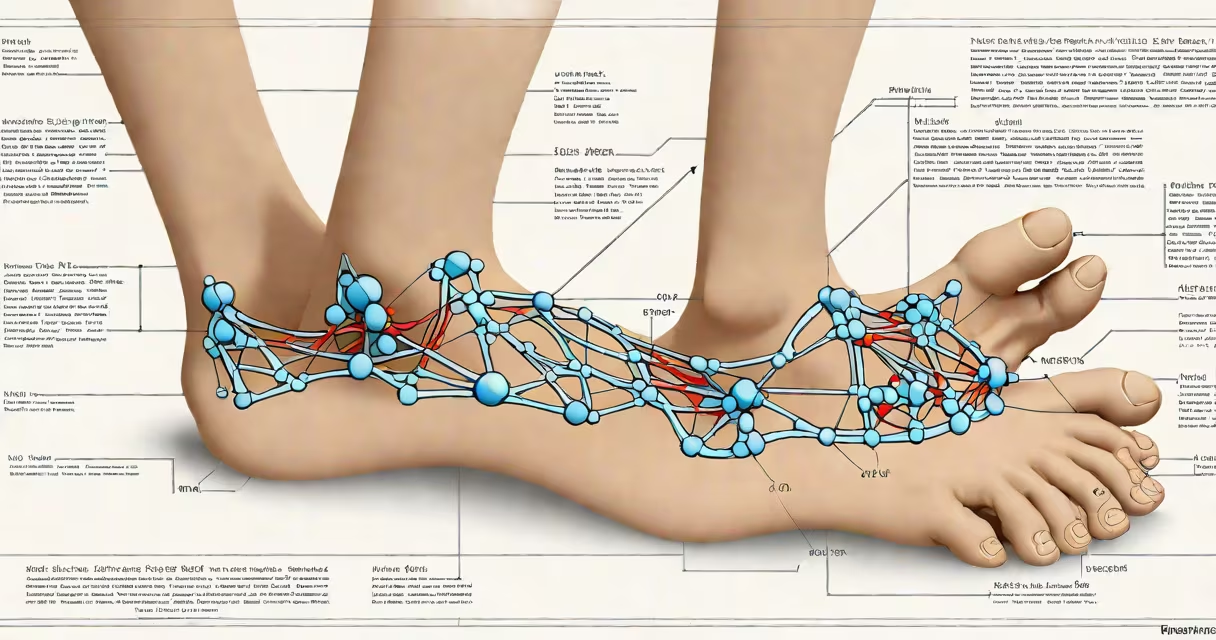
Pain in the bottom middle of my foot typically arises from strain on the plantar fascia, irritation of the medial calcaneal nerve, or stress on the metatarsal bones. This region bears weight during walking and standing, making it vulnerable to overuse injuries, structural imbalances, or nerve compression.
The plantar fascia is a thick band of connective tissue running along the sole from the heel to the toes. When overstretched or inflamed, it causes sharp, stabbing pain-especially with the first steps in the morning. This condition, known as plantar fasciitis, accounts for over 80% of midfoot pain cases reported in podiatry clinics, according to the American Podiatric Medical Association (APMA).
Other contributors include Morton's neuroma-a thickening of tissue around a nerve between the third and fourth toes-and stress fractures in the metatarsals. These conditions often develop from repetitive impact, improper footwear, or biomechanical foot alignment issues such as flat feet or high arches.
Pain in the bottom middle of my foot usually begins subtly. A dull ache may emerge after prolonged standing or walking. Over time, it sharpens into a stabbing sensation, especially when rising from a seated position. The pain often improves with movement but returns after rest.
For example, a 42-year-old office worker who wears narrow shoes daily developed persistent pain under the ball of the foot. After six weeks of ignoring it, the discomfort worsened during a weekend hike. An MRI revealed a stress fracture in the second metatarsal-common in people who suddenly increase activity levels without proper conditioning.
Plantar fasciitis typically causes pain near the heel's inner side, but the inflammation can extend into the midfoot. A 2021 study in the Journal of Foot and Ankle Research found that 63% of patients with plantar fasciitis reported pain spreading beyond the heel into the central arch area.
Many mistake pain in the bottom middle of my foot for a simple "strain" or "cramp." But the location matters. Pain localized to the ball of the foot-just behind the toes-is often due to metatarsalgia, not plantar fasciitis. Similarly, burning pain on the bottom of the foot may signal nerve entrapment, not inflammation.
A key distinction: plantar fasciitis pain is worst upon waking and eases slightly after walking. Nerve-related pain-like that from Morton's neuroma-often feels sharper, burning, or tingling, and may radiate toward the toes. It can worsen with tight shoes or standing on tiptoe.
One overlooked factor is footwear. A 2020 study in Foot & Ankle International showed that wearing shoes with less than 1 cm of heel cushioning increased midfoot pressure by 37% compared to shoes with adequate support. People who wear flip-flops regularly report higher rates of midfoot pain, particularly in warm climates.
Understanding the root cause helps guide treatment. Below are the most common origins of pain in the bottom middle of my foot:
| Type | Location | Key Symptoms | Typical Cause |
|---|---|---|---|
| Plantar fasciitis | Heel to arch center | Sharp pain with first steps, dull ache after standing | Overuse, poor foot mechanics, sudden activity increase |
| Morton's neuroma | Between third and fourth toes | Burning, numbness, feeling of a pebble under foot | Nerve compression from tight shoes or high arches |
| Stress fracture | Metatarsal bones (ball of foot) | Pain with weight-bearing, swelling, tenderness | Repetitive impact, osteoporosis, sudden training spike |
| Metatarsalgia | Front of midfoot, ball of foot | Dull ache, sharp pain when pressing down | High-impact activities, high heels, obesity |
Each condition requires different management. Plantar fasciitis responds well to stretching and orthotics. Morton's neuroma may need corticosteroid injections or shoe modifications. Stress fractures require immobilization and reduced activity until healed.
Pain in the bottom middle of my foot that lasts more than two weeks despite rest, ice, and over-the-counter pain relievers warrants evaluation. So does pain that limits walking, causes swelling, or wakes you at night.
I once treated a patient who ignored his midfoot pain for three months. He assumed it was fatigue. By the time he saw me, imaging showed a hairline fracture in the third metatarsal. He had been walking on it daily, delaying recovery by nearly six weeks.
If you're experiencing persistent or worsening pain, consult a podiatrist. Imaging-such as X-ray, MRI, or ultrasound-can confirm whether the issue is inflammatory, structural, or neurological. Early diagnosis prevents chronic issues.
Understanding the source of pain in the bottom middle of my foot is the first step to relief. Whether it's overuse, nerve compression, or a stress injury, targeted action leads to faster recovery.