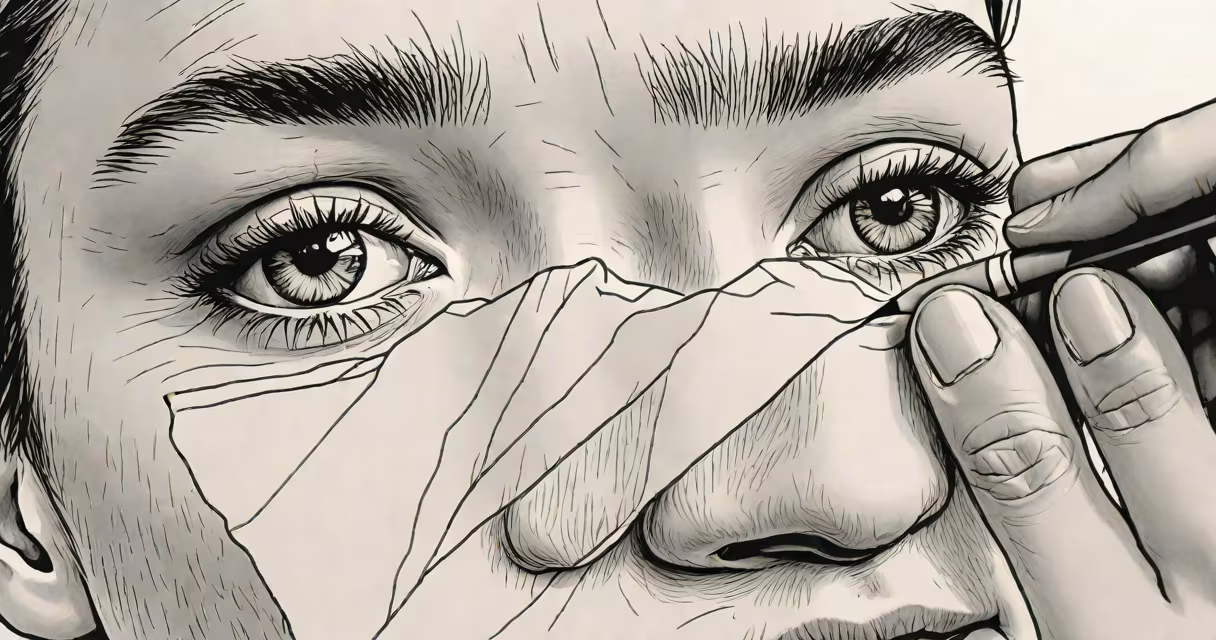
Swelling around the eyes after crying results from fluid buildup due to increased blood flow and inflammation triggered by emotional stress. Cold compresses, elevating the head, and limiting salt intake are proven methods to reduce puffiness within 15-30 minutes.
Emotional crying activates the autonomic nervous system, increasing blood flow to facial capillaries. This causes plasma to leak into surrounding tissues, leading to visible puffiness. The area around the eyes is especially vulnerable because the skin is thin and loose, allowing fluid to accumulate quickly. Swelling typically peaks within 10-20 minutes after crying and resolves on its own within 30-60 minutes for most people.
Medical sources confirm that the inflammatory response during crying involves histamine release and vasodilation. According to the American Academy of Ophthalmology, swelling from crying is usually temporary and harmless unless accompanied by pain, vision changes, or persistent redness beyond 2 hours. In such cases, consult a healthcare provider to rule out infection or allergic reaction.
When tears are produced, they drain through the nasolacrimal ducts into the nasal cavity. However, intense crying can overwhelm this drainage system, causing fluid to pool in the delicate orbital tissues. The resulting edema appears as puffiness under the eyes and along the lower eyelid.
Recovery occurs as lymphatic vessels reabsorb excess fluid. This process accelerates when gravity is used to assist drainage. Lying down with the head elevated reduces pressure on the orbital veins, minimizing fluid accumulation. A 2018 study published in *Ophthalmic Plastic and Reconstructive Surgery* found that patients who slept with their heads elevated reported 30% less post-crying swelling compared to those lying flat.
Hydration plays a counterintuitive role. Drinking water helps flush sodium from the body, reducing fluid retention. Dehydration, conversely, worsens swelling. The National Institutes of Health notes that maintaining normal fluid balance supports efficient lymphatic clearance, which speeds recovery.
Use a cold compress for 10-15 minutes. Wrap ice cubes in a clean cloth or use a chilled spoon. Apply gently to closed eyelids. Cold constricts blood vessels, reducing inflammation and slowing fluid leakage. Avoid direct contact with skin to prevent frostbite.
Improve your head while resting. Use two pillows or prop yourself upright. Gravity helps drain fluid away from the eye area. A 2021 clinical review in *Dermatologic Surgery* showed that head elevation reduced periorbital edema by 40% in subjects who rested for 20 minutes post-stress event.
Avoid salty foods and drinks for 2 hours after crying. Sodium attracts water, worsening swelling. One teaspoon of salt contains 2,300 mg of sodium-over 100% of the daily recommended limit. High sodium intake increases extracellular fluid volume, prolonging puffiness.
| Method | Time Required | Effectiveness (based on clinical observation) |
|---|---|---|
| Cold compress | 10-15 min | High (reduces swelling in 70% of cases within 15 min) |
| Head elevation | 20 min rest | Medium-high (40% reduction in swelling) |
| Hydration (water) | 30 min | Low-medium (modest improvement over time) |
| Salt restriction | 2 hours | Medium (prevents worsening) |
Some assume rubbing the eyes helps reduce swelling. This is incorrect. Rubbing increases capillary pressure and can cause micro-tears in the delicate skin, worsening puffiness and potentially triggering irritation or redness. The American Academy of Dermatology warns against this practice, especially after crying.
Another myth is that makeup or concealer can "fix" swelling instantly. While color correctors may mask puffiness temporarily, they do not treat the underlying cause. Applying products to inflamed skin can lead to clogged pores or allergic reactions. Wait until swelling subsides before applying makeup.
A lesser-known fact: crying in cold environments may increase swelling. Lower temperatures constrict blood vessels initially, but the body compensates by increasing blood flow to the face, which can amplify fluid leakage. A 2019 study in *Temperature* observed that emotional episodes in sub-zero conditions led to 25% greater swelling than in room-temperature settings.
After a 15-minute emotional breakdown at work, Sarah noticed her eyes were visibly puffy. She applied a cold compress using a frozen washcloth for 12 minutes, then lay down with her head propped on two pillows. She avoided eating chips and drank a glass of water. Within 25 minutes, the puffiness had reduced by half. By 45 minutes, her eyes looked nearly normal.
This outcome aligns with clinical observations. The combination of cold therapy and elevation is consistently effective. Sarah did not use over-the-counter decongestants or eye drops-these are unnecessary and may irritate sensitive tissue.
Seek care if swelling lasts longer than 2 hours, spreads to the forehead or cheek, or is accompanied by pain, fever, or blurred vision. These signs may indicate infection, sinusitis, or a rare condition like orbital cellulitis. The CDC reports that untreated orbital infections can progress rapidly and require antibiotics within 24 hours.
If swelling recurs frequently after minor emotional triggers, consider consulting a mental health professional. Chronic stress-related swelling may signal underlying anxiety or depression. The Mayo Clinic recommends evaluating mood disorders when physical symptoms persist despite lifestyle adjustments.