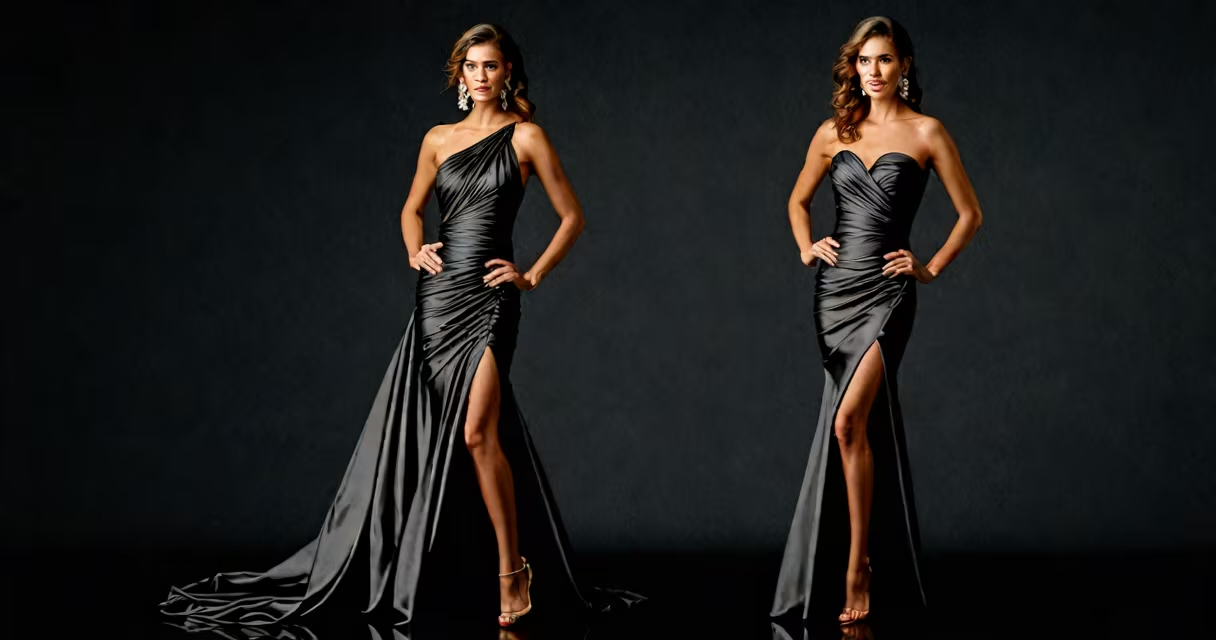
Dresses are garments worn around the torso and lower body, typically covering the upper and lower body from neck to ankles or below. They come in distinct forms based on cut, fabric, occasion, and cultural context. The primary types include formal, casual, cocktail, business, and evening wear, each designed for specific settings and social norms.
Dress types are determined by structure, formality, and intended use. A formal dress features tailored lines, rich fabrics like silk or satin, and often includes embellishments such as lace or beadwork. It's worn at weddings, galas, or award ceremonies. A casual dress uses lightweight materials like cotton or jersey, with relaxed silhouettes and minimal decoration. These are common for everyday wear, travel, or weekend outings.
Cocktail dresses sit between formal and casual. They're knee-length or slightly above, often with bold colors or patterns. Designed for semi-formal events like cocktail parties or dinner dates, they balance elegance with ease. Business attire includes pencil skirts, sheath dresses, and wrap styles made from wool blends or structured knits. These emphasize professionalism and are standard in office environments.
Evening gowns extend past the ankle and feature dramatic silhouettes-ballgowns, mermaid cuts, or sheath designs. They're reserved for high-end events such as red carpet premieres or black-tie galas. The choice of dress type depends on event context, cultural expectations, and personal expression.
The following table outlines the most recognized dress types, their typical lengths, materials, and appropriate occasions.
| Type | Typical Length | Common Materials | Occasion |
|---|---|---|---|
| Evening Gown | Below knee or floor-length | Satin, silk, tulle | Red carpet, galas, weddings |
| Cocktail Dress | Knee to mid-calf | Chiffon, velvet, stretch knit | Cocktail parties, dinners, formal events |
| Business Dress | Mid-thigh to knee | Wool blend, crepe, polyester | Workplace, meetings, interviews |
| Casual Dress | Any length, often above knee | Cotton, rayon, jersey | Weekend outings, travel, daily wear |
| Formal Dress | Mid-calf to floor | Silk, brocade, lace | Weddings, state functions, award shows |
Each type serves a functional role. For example, a business dress must allow movement during presentations while maintaining a polished appearance. A cocktail dress balances visual impact with comfort for standing or dancing. Even within a category, variation exists-some cocktail dresses feature off-the-shoulder necklines, others have high necklines or plunging backs.
Event context dictates dress selection. At a corporate conference, attendees wear business dresses in neutral tones like navy or charcoal. A bride may choose a ballgown for her wedding ceremony, while her bridesmaids wear coordinated cocktail dresses in complementary hues. A woman attending a charity gala wears an evening gown, often custom-made to reflect personal style and cultural heritage.
Regional customs influence dress types too. In Japan, the kimono is a traditional dress worn at festivals and ceremonies. In West Africa, Ankara-printed wrap dresses are common at celebrations. These aren't just fashion choices-they signal identity, status, and belonging.
A non-obvious distinction: not all formal wear counts as "dress." A tuxedo is formal but not a dress-it's a suit. Similarly, a long evening robe or draped cape may be formal but lacks the defining structure of a dress. The term "dress" implies a single-piece garment with a defined bodice and skirt, regardless of formality.
People often mistake "cocktail dress" for "evening wear," assuming both are equally formal. This is incorrect. Cocktail dresses are designed for events lasting 3-5 hours, usually in the late afternoon or early evening. They're less elaborate than evening gowns and don't require full makeup or elaborate hairstyles. An evening gown, by contrast, is meant for longer events with strict dress codes and higher visibility.
Another error: thinking all casual dresses are comfortable because they're loose. Not true. A casual sundress made from thin chiffon may wrinkle easily or show undergarments in sunlight. Comfort isn't guaranteed by looseness-it depends on fit, fabric breathability, and construction.
I once attended a summer garden party where several guests wore what they believed were "casual" dresses. One wore a sheer floral dress with a tight waistband and no lining. The wind revealed more than intended. The issue wasn't the style-it was the material choice. A cotton-linen blend would have handled heat and movement better.
Consider Sarah, who is invited to her sister's destination wedding in Bali. The invitation says "semi-formal attire." She considers three options:
Option A is business attire-too formal for a tropical wedding. Option C is an evening gown-overdressed for a daytime ceremony. Option B fits the "semi-formal" requirement: elegant but not excessive, appropriate for beachside settings and warm weather. It aligns with the event's tone and location.
When selecting a dress, match the type to the setting. Use the occasion, time of day, and venue climate as guides. A cocktail dress in a desert city during summer may require UV protection fabric. A formal dress at a winter gala demands thermal layers underneath.
Understanding types of dress begins with recognizing that each style is a response to environment, culture, and intent. a celebration, choosing the right type ensures comfort, confidence, and appropriateness.