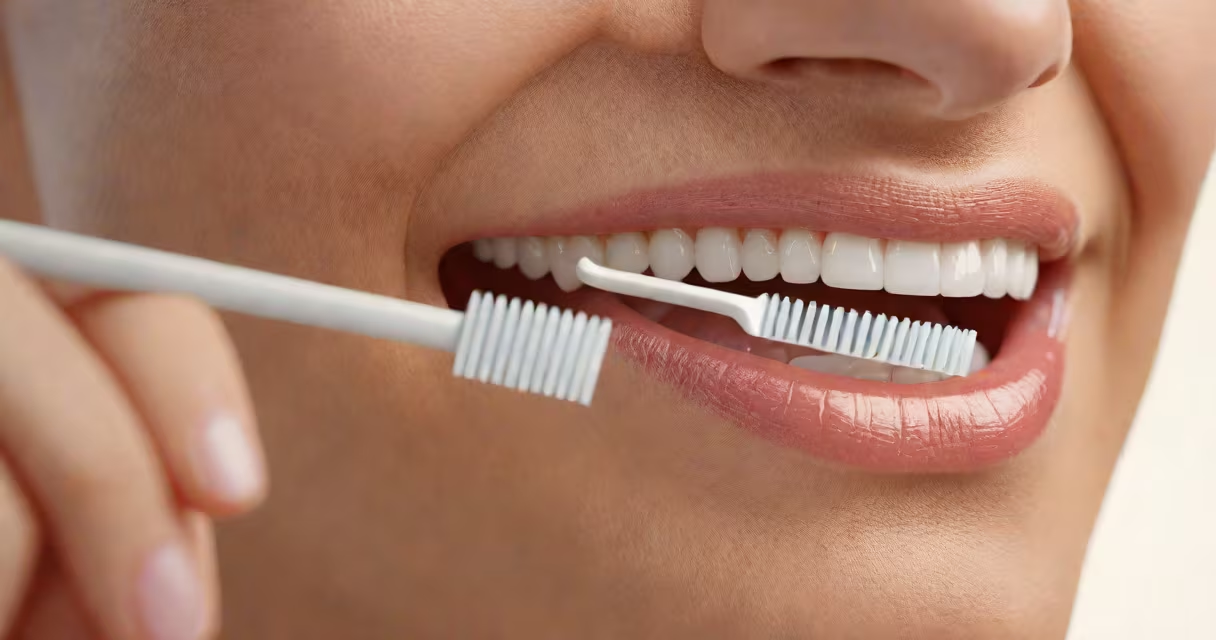
Bad breath, or halitosis, results from bacteria breaking down food particles in the mouth, releasing volatile sulfur compounds that cause unpleasant odors. It's not just a social concern-it can signal underlying health issues like gum disease, dry mouth, or digestive problems. Addressing it requires targeted hygiene, lifestyle changes, and sometimes medical evaluation.
Bacteria thrive in the mouth, especially on the tongue, between teeth, and along the gumline. These microbes metabolize proteins and sugars from food debris, producing foul-smelling gases like hydrogen sulfide and methyl mercaptan. The average human mouth hosts over 700 bacterial species, many of which contribute to odor when unchecked.
Saliva reduces bacterial growth by washing away food particles and neutralizing acids. Reduced saliva flow-common during sleep, dehydration, or due to medications-creates an ideal environment for odor-causing microbes. This explains why morning breath is often the worst.
According to the American Dental Association (ADA), 85% of persistent bad breath cases originate in the oral cavity. Only 5% stem from systemic conditions like sinus infections or gastrointestinal disorders, though these require different treatment paths.
Oral causes include poor brushing habits, plaque buildup, untreated cavities, and infected gums. A red, swollen, or bleeding gumline suggests gingivitis-early-stage gum disease linked to chronic bad breath. The ADA notes that nearly half of U.S. adults have some form of periodontal disease, often without symptoms until advanced stages.
Dry mouth (xerostomia) increases risk. Medications like antihistamines, antidepressants, and blood pressure drugs reduce saliva production. Smoking and alcohol consumption further dry the mouth and introduce odor-causing chemicals. Tobacco users are twice as likely to report persistent halitosis compared to non-users, per the Centers for Disease Control and Prevention (CDC).
Other contributors include diet (garlic, onions, spicy foods), poorly fitting dentures, and postnasal drip. If bad breath persists despite good hygiene, consider nasal or sinus issues. A 2021 study in the Journal of Clinical Medicine found that 30% of patients with chronic halitosis had undiagnosed sinusitis.
Some people develop bad breath from acid reflux. Stomach acid regurgitating into the esophagus and mouth produces a sour or metallic smell. This is often missed because patients focus on heartburn, not breath odor.
Less common causes include kidney failure (fishy breath), liver disease (sweet, musty odor), and certain metabolic disorders. These rarely present as isolated bad breath-they usually come with other symptoms like fatigue, jaundice, or weight loss.
One overlooked factor: mouth breathing. Chronic mouth breathers, especially children with enlarged tonsils or allergies, dry out their oral tissues faster. A 2019 study in the European Journal of Pediatrics showed that 68% of children with chronic bad breath were mouth breathers.
Brush teeth twice daily for two minutes using fluoride toothpaste. Focus on the gumline and back molars where food traps. Floss daily to remove debris between teeth-where 40% of plaque accumulates, according to the National Institute of Dental and Craniofacial Research.
Use a tongue scraper or brush to clean the posterior third of the tongue. Bacteria concentrate here, forming a visible white or yellow coating. A 2017 study in the Journal of Periodontology found that daily tongue cleaning reduced volatile sulfur compounds by 75% in six weeks.
Stay hydrated. Drink water throughout the day to stimulate saliva flow. Avoid sugary drinks and limit alcohol. Chewing sugar-free gum with xylitol increases salivation and inhibits decay-causing bacteria.
If bad breath persists after two weeks of consistent oral care, consult a dentist. They can detect early signs of gum disease, cavities, or infections. A dental probe measures pocket depth around teeth-greater than 4mm indicates periodontitis, a known cause of halitosis.
For smokers, bad breath from smoking is both a symptom and a contributor. Smoking dries the mouth, damages gum tissue, and introduces tar and nicotine that linger in breath. Smokers often report improved breath within days of quitting, though full recovery takes weeks.
Some patients benefit from prescription mouth rinses containing chlorhexidine or cetylpyridinium chloride. These reduce bacterial load but shouldn't be used long-term due to staining risks.
Sarah, 34, reported bad breath for six months despite brushing twice daily. She avoided social events and felt anxious. Her dentist found moderate gum recession and 4mm pockets in four sites-diagnosed as early periodontitis. She was referred to a periodontist for scaling and root planing.
After treatment, Sarah adopted a routine: brush and floss twice daily, use a tongue scraper each morning, drink 2 liters of water daily, and chew xylitol gum after meals. Within three weeks, her breath improved. After eight weeks, her dentist confirmed reduced inflammation and no detectable odor.
This case shows that bad breath isn't always about hygiene alone-it's often a sign of treatable oral disease.
Many assume bad breath stems solely from eating garlic or onions. While these foods temporarily affect breath, they don't explain ongoing issues. Persistent odor after brushing points to internal causes.
Another myth: "I can't smell my own breath." This is true-olfactory adaptation makes people blind to their own scent. The "lick test" (licking the back of the hand and smelling it after 10 seconds) is a reliable self-check. If the smell is strong, seek help.