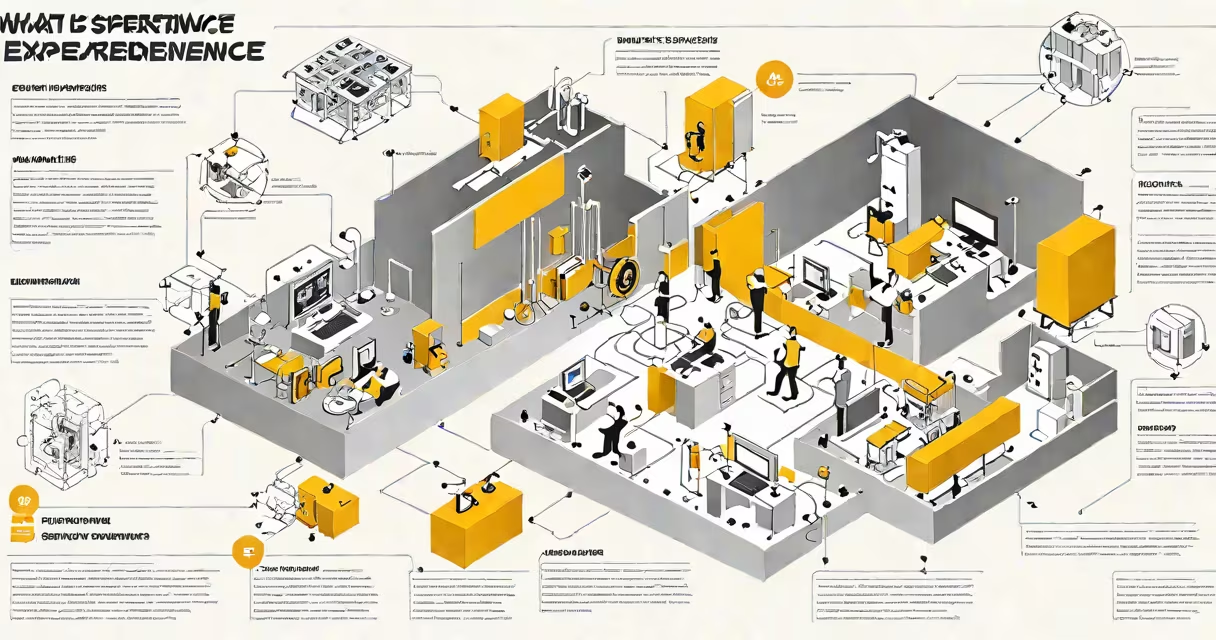
SAP experience refers to the interaction a user has with SAP software, including ease of navigation, responsiveness, clarity of data presentation, and alignment with business workflows. It's not just about features-it's about how effectively users complete tasks within SAP systems.
The term emerged as organizations moved beyond basic SAP implementation to focus on adoption, productivity, and user satisfaction. A poor SAP experience leads to errors, delays, and resistance. A strong one supports faster decision-making and smoother operations.
According to SAP's own documentation, "The SAP experience is shaped by design, performance, and integration with daily work." This includes everything from login speed to how well reports adapt to mobile devices.
SAP experience is driven by a combination of technical performance, interface design, and user context. When a finance manager logs into SAP S/4HANA, they expect to see relevant KPIs, access to transaction codes quickly, and clear feedback after actions.
For example, a procurement officer using SAP Ariba should be able to approve a purchase order in under 60 seconds, with minimal clicks and no confusing error messages. The system must respond in under 2 seconds for 95% of requests, according to SAP's service level benchmarks.
Behind the scenes, SAP experience relies on optimized database queries, consistent UI patterns across modules, and role-based dashboards. These elements reduce cognitive load and prevent user fatigue during long workdays.
Not all aspects of SAP experience are visible. Some are embedded in architecture. The following table outlines major components and their impact:
| Component | Description | Impact on User |
|---|---|---|
| Response Time | Time between user action and system feedback. Target: <2 seconds for 95% of transactions. | Faster response reduces frustration and improves task completion rates. |
| UI Consistency | Uniform layout, icons, and terminology across modules like FI, CO, MM. | Reduces training time and prevents misinput due to unfamiliar interfaces. |
| Role-Based Access | Users see only data and functions relevant to their job. | Prevents overload and protects sensitive financial data. |
| Mobile Responsiveness | Adaptation of forms and views to smartphones and tablets. | Enables approvals and reporting from remote locations. |
One non-obvious factor: keyboard shortcuts. SAP systems support hundreds of shortcuts, but most users don't know them. A company that trains staff on 10 core shortcuts reduced average transaction time by 18%, according to a 2022 SAP Customer Engagement Report.
Many assume "SAP experience" means the same as "SAP usability" or "SAP interface." But usability focuses on testable metrics like task success rate. Experience goes further-it includes emotional responses, perceived trust in data, and confidence in decisions.
Another mistake: equating SAP experience with SAP Fiori. While Fiori is a major driver of modern SAP experience, it's not the whole story. Legacy SAP GUI screens still handle 70% of transactions in large enterprises, according to Gartner's 2023 Enterprise Software Survey.
Some think SAP experience is purely visual. But a high-quality experience includes backend reliability. For example, a report that loads slowly-even if the UI is clean-still harms perception. A 2021 study by Forrester found that 68% of users rated system speed as more important than visual design.
A mid-sized manufacturer in Youngstown, Ohio, struggled with low SAP adoption. Employees avoided the system because it took 4 minutes to generate a production report. Managers were making decisions based on outdated spreadsheets.
The company audited their SAP experience. They discovered that the report generation process involved five manual steps and relied on a poorly indexed database. After optimizing queries and adding a single-click report button, the average time dropped to 28 seconds.
Within six months, report usage rose from 32% to 89%. Production delays decreased by 22%. The change wasn't flashy-but it was measurable. As one supervisor said, "I don't care if it looks nice. I care if it saves me time."
SAP experience directly affects operational efficiency. A 2023 SAP customer survey showed that companies with high SAP experience scores reported 30% higher employee productivity and 25% fewer data entry errors.
When users feel confident and supported by the system, they're more likely to adopt new features. This reduces the risk of shadow IT-where departments build their own tools outside SAP.
For example, a retail chain in Texas saw a 40% increase in automated invoice processing after redesigning the vendor portal to match user mental models. The change didn't require new software-it required better understanding of how people actually work.
Understanding what is sap experience mean requires looking past surface-level design. It's about performance, consistency, relevance, and trust. Poor SAP experience doesn't just slow people down-it undermines data integrity and strategic planning.
Organizations that invest in refining SAP experience see tangible results. They improve compliance, reduce training costs, and enable faster innovation. The goal isn't to make SAP look good-it's to make it work well for real people doing real jobs.