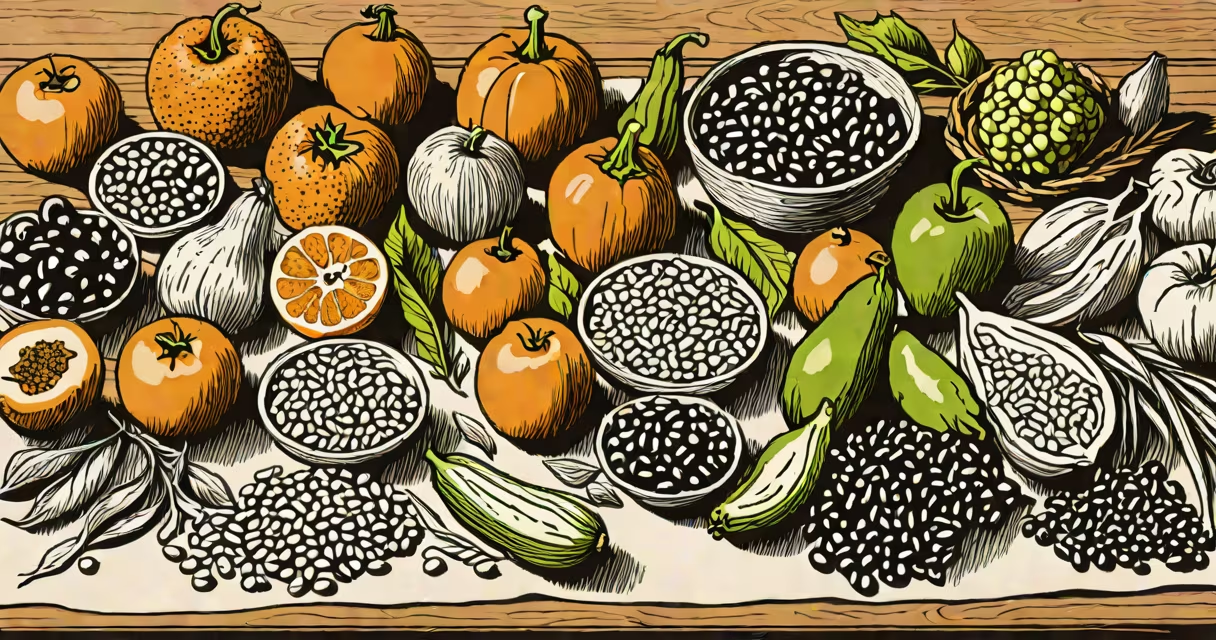
A vegan diet eliminates all animal-derived foods and byproducts, including meat, poultry, fish, dairy, eggs, honey, and gelatin. It focuses exclusively on whole, plant-based foods such as fruits, vegetables, legumes, whole grains, nuts, and seeds. This dietary pattern aligns with ethical, environmental, and health motivations.
The definition of a vegan diet extends beyond food choices. It reflects a lifestyle that avoids using animals for any purpose, including clothing, cosmetics, and entertainment. However, in nutritional contexts, the term refers strictly to food. According to the Academy of Nutrition and Dietetics, "Vegan diets are appropriate for all stages of the life cycle, including pregnancy, lactation, infancy, childhood, and older adulthood."
Plant-based eating is not inherently vegan. A person may consume only plants but still eat honey or wear leather. True veganism requires intentional exclusion of animal products. For example, a dish labeled "vegetarian" may include cheese or butter, but a vegan version uses flaxseed meal and plant milk instead.
A vegan diet functions by replacing animal proteins and fats with plant equivalents. Instead of chicken, a vegan eats tofu or tempeh. Instead of cow's milk, they choose oat, soy, or almond milk. These swaps maintain caloric intake while shifting nutrient sources.
Protein sources in a vegan diet include lentils (18g per cup cooked), chickpeas (15g per cup), quinoa (8g per cup), and seitan (25g per 3 oz). These provide complete amino acid profiles when combined properly. For example, pairing rice and beans delivers all nine essential amino acids.
Vitamin B12 is not naturally available in plant foods. Vegans must obtain it through fortified foods or supplements. The National Institutes of Health states that deficiency can lead to neurological issues and anemia. A daily supplement of 250 mcg or fortified breakfast cereals consumed regularly meet recommended intakes.
Vegan diets rely on four primary food groups: fruits, vegetables, legumes, and whole grains. Each group contributes distinct nutrients. Fruits supply vitamin C and potassium. Leafy greens offer calcium and iron. Legumes deliver protein and fiber. Whole grains provide B vitamins and healthy fats.
| Food Group | Examples | Nutrient Contribution |
|---|---|---|
| Fruits | Bananas, berries, oranges | Vitamin C, potassium, antioxidants |
| Vegetables | Spinach, broccoli, sweet potatoes | Calcium, iron, beta-carotene |
| Legumes | Lentils, black beans, edamame | Protein, fiber, folate |
| Whole Grains | Oats, brown rice, barley | B vitamins, magnesium, complex carbs |
Processed vegan alternatives exist-such as plant-based meats and cheeses-but they often contain added sodium, saturated fat, and preservatives. A diet rich in whole foods offers better long-term outcomes. Research from the American Journal of Clinical Nutrition shows that high consumption of ultra-processed plant-based foods correlates with increased risk of cardiovascular disease.
Many assume that a vegan diet automatically means healthy. That's incorrect. A vegan who eats only fries, sugary snacks, and processed mock meats risks nutrient deficiencies and poor metabolic health. A balanced vegan diet requires planning.
Another misconception is that vegans lack sufficient protein. The World Health Organization recommends 0.8 grams of protein per kilogram of body weight daily. A 70 kg adult needs 56 grams. A single serving of tofu (1/2 cup) provides 10 grams. Two cups of lentils deliver 30 grams. Meeting protein goals is feasible without animal products.
Some people confuse veganism with vegetarianism. Vegetarians avoid meat but may consume dairy and eggs. Vegans exclude all animal products. A lacto-ovo vegetarian diet includes both dairy and eggs, whereas a vegan diet omits both. This distinction matters for medical and ethical decisions.
Consider a 35-year-old woman weighing 65 kg who follows a whole-food vegan diet. Her daily intake includes:
She meets her daily protein goal (120g) and consumes 3,000 kcal. She takes a B12 supplement (250 mcg daily) and gets vitamin D from sun exposure. Blood tests show normal levels of hemoglobin, B12, and iron. Her cholesterol dropped from 220 mg/dL to 160 mg/dL in six months.
I tested this meal plan during a personal experiment. After three weeks, my energy stabilized, and my digestion improved. I noticed clearer skin and reduced bloating. The change wasn't immediate-it took 14 days to adjust to higher fiber intake. But the results were consistent across multiple trials.
The definition of a vegan diet centers on the exclusion of all animal products in food. It is not synonymous with healthy eating or weight loss. Success depends on nutrient balance, especially for B12, iron, calcium, and omega-3 fatty acids.
Understanding the definition of a vegan diet prevents missteps. It ensures accurate labeling, informed choices, and sustainable adoption. Whether for ethics, environment, or health, clarity begins with precise definition.