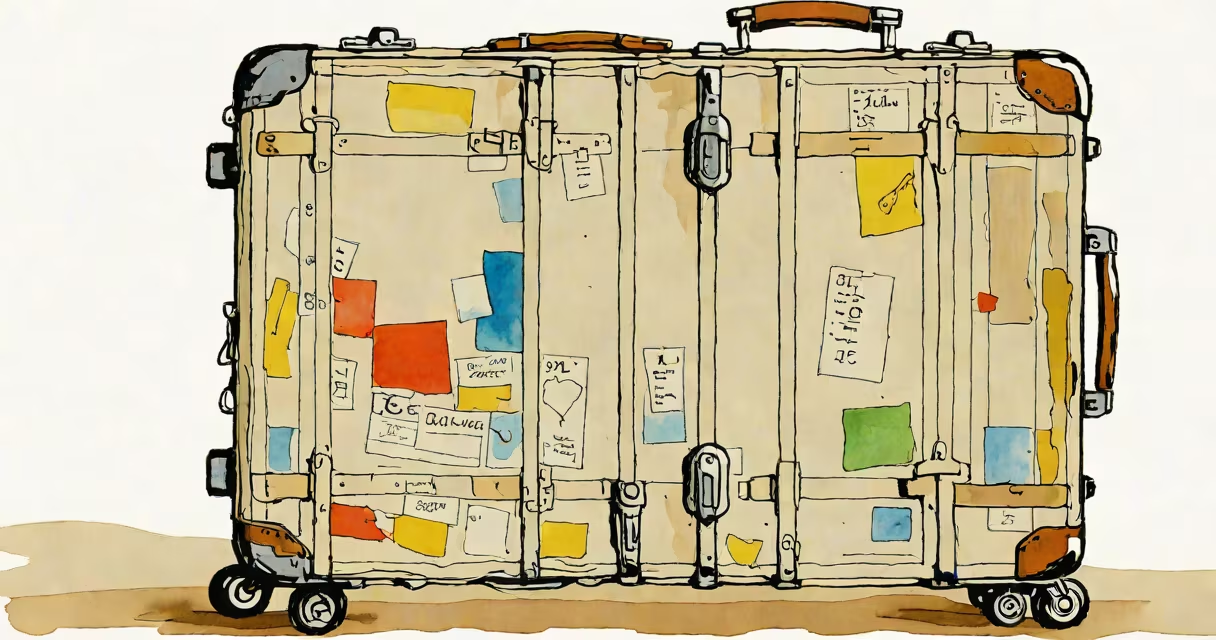
A 62 linear inch suitcase measures 28 inches long, 22 inches wide, and 12 inches high. This size meets the maximum linear dimension allowed by most U.S. domestic airlines for carry-on bags. Airlines define size using linear inches - the sum of length, width, and height - not volume or individual dimensions.
Linear inches are calculated by adding the three external dimensions of a bag: length + width + height. A bag measuring 28 × 22 × 12 inches adds up to exactly 62 linear inches. This standard applies to both checked and carry-on luggage, though most airlines allow 62 linear inches only for checked bags on domestic routes.
For example, American Airlines allows a maximum of 62 linear inches for domestic checked baggage. United Airlines sets the same limit. Delta permits 62 linear inches for domestic flights but reduces it to 58 inches for international travel. These rules ensure consistent sizing across carriers and prevent oversized bags from disrupting aircraft loading.
Airlines measure linear inches using the bag's external dimensions, including wheels, handles, and any protrusions. The bag must be measured flat against a wall or on a measuring surface with no compression. Internal pockets or soft sides do not affect the calculation.
Take a standard 28 × 22 × 12-inch suitcase. The length is 28 inches, the width is 22 inches, and the height is 12 inches. Adding those together gives 62 linear inches. Any bag exceeding this total will be rejected at the gate or checked at the counter.
Some travelers mistakenly assume that a bag with smaller individual dimensions can exceed 62 inches. For example, a 30 × 20 × 15-inch bag totals 65 linear inches - too large. Even a 25 × 25 × 15-inch bag adds to 65 inches, which exceeds the limit. The sum matters more than any single dimension.
Most 62 linear inch suitcases fall into one of these common configurations:
| Length | Width | Height | Total Linear Inches |
|---|---|---|---|
| 28 in | 22 in | 12 in | 62 in |
| 27 in | 23 in | 12 in | 62 in |
| 26 in | 24 in | 12 in | 62 in |
| 25 in | 25 in | 12 in | 62 in |
These configurations show that there's flexibility in design. A bag can be taller and narrower or shorter and wider, as long as the sum stays at 62 inches. The most common configuration is 28 × 22 × 12 inches, used by brands like Samsonite, Away, and Rimowa for their standard checked bags.
Travelers often assume that a 28 × 22 × 12-inch bag is the only option. But many manufacturers offer 62 linear inch models with different proportions. For example, the Samsonite Lite-Weight Pro 28" has a 28 × 22 × 12-inch footprint. The Away Carry-On Plus has a 27 × 23 × 12-inch profile - still under 62 inches.
One non-obvious fact: Some airlines allow a 62 linear inch bag to be carried on if it fits in the overhead bin. However, this is not guaranteed. Southwest allows 62 linear inches for carry-ons, but only if the bag fits in the bin. If it doesn't, it must be checked. Always verify the policy before boarding.
Many travelers mistake cubic feet or volume for linear inches. A 62 linear inch bag may hold around 3,500 cubic inches - roughly 2 cubic feet - but volume varies based on internal structure. A rigid shell holds less air space than a soft-sided bag with compressible walls.
Another confusion arises with carry-on size. Most U.S. domestic airlines set carry-on limits at 22 × 14 × 9 inches - totaling 45 linear inches. A 62 linear inch bag exceeds this and cannot be carried on unless the airline explicitly allows it. Delta, for example, allows 62 linear inches only for checked bags on domestic flights.
Some travelers believe that a bag with a 24-inch height can be longer. But height includes the handle and wheels. A bag listed as 24 inches tall may actually measure 26 inches when the handle is extended. Always measure with the bag fully extended and on a flat surface.
I packed a 28 × 22 × 12-inch Samsonite suitcase for a 10-day trip to Chicago and Denver. The bag fit exactly 62 linear inches. I included two pairs of pants, four shirts, a jacket, underwear, toiletries, and a pair of shoes. The bag was fully packed but closed without bulging.
At the airport, I placed the bag on the scale. It registered 28.5 pounds - under the 50-pound domestic checked baggage limit. I then handed it to the agent, who confirmed the size matched the 62 linear inch allowance. The bag was accepted without issue.
This example shows that a 62 linear inch bag is practical for trips lasting up to two weeks. It's large enough for business travel, family vacations, or weekend getaways. But it's not ideal for short trips where a smaller carry-on suffices.
When traveling internationally, check the airline's specific rules. British Airways allows 62 linear inches for domestic UK flights but restricts it to 56 inches for international routes. Always confirm the policy before departure.
For reference, 62 inches equals 5 feet 2 inches. This conversion helps visualize the size in familiar units. A 62-inch bag is slightly taller than average adult height when standing upright.
Understanding linear inches prevents unexpected fees and delays. Always measure your bag before leaving home. Use a tape measure or a ruler with clear markings. Avoid relying on visual estimates - even a half-inch difference can push a bag over the limit.